
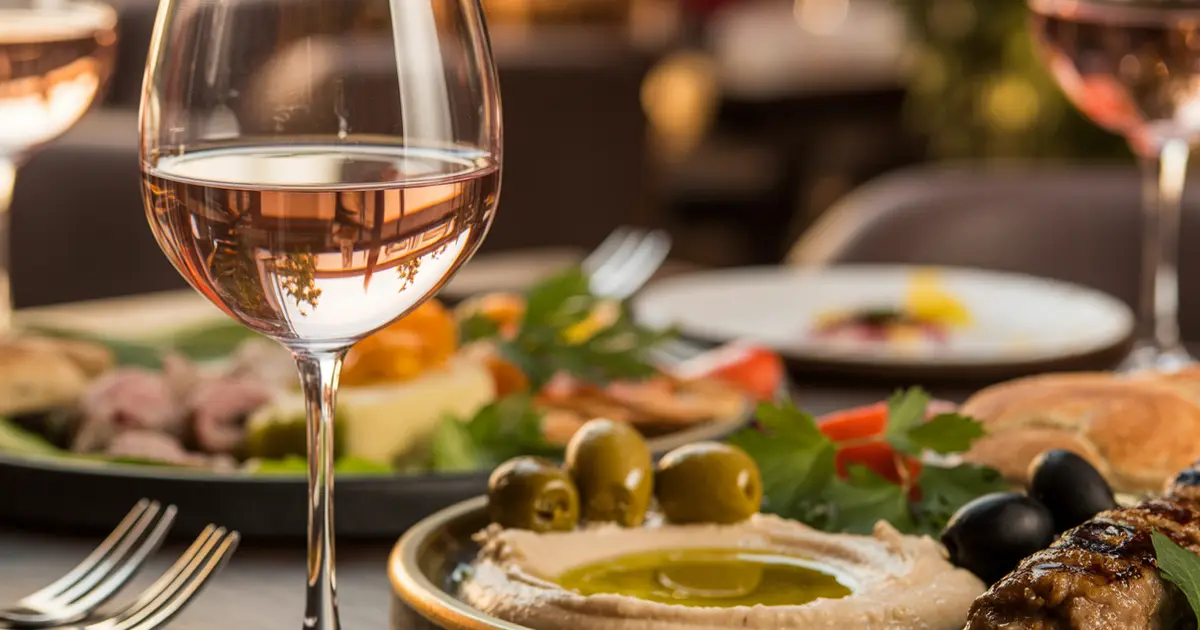
Understanding the Unique Challenges of Mediterranean and Persian Wine Pairing
Mediterranean and Persian cuisines present unique challenges for wine pairing that differ significantly from French or Italian food traditions. The complexity of spices, the richness of tahini-based sauces, the char from grilled meats, and the interplay of sweet and savory elements require thoughtful wine selection.
At Carnys Restaurant on Ventura Boulevard in Encino, our sommelier team has developed pairing principles specifically for these flavor profiles. Understanding these fundamentals will revolutionize how you approach wine with Mediterranean and Persian dishes.
The Spice Factor: Working with Cumin, Sumac, and Saffron
Unlike the subtle herbs of French cuisine, Mediterranean and Persian dishes feature bold spices that can overwhelm delicate wines. Cumin's earthy warmth, sumac's tangy brightness, and saffron's floral complexity each demand different wine characteristics.
Key principle: Match intensity with intensity. Bold spices need wines with enough body and flavor concentration to stand up without being dominated. However, avoid high-alcohol wines that amplify heat and spice burn.
Our recommendation: Medium-bodied wines with good acidity and moderate alcohol (12-13.5%) work best. Think Spanish Albariño, Greek Assyrtiko, or French Côtes du Rhône rather than heavy Napa Cabernet or oaky Chardonnay.
The Tahini Challenge: Pairing with Sesame-Based Sauces
Tahini's rich, nutty, slightly bitter profile is one of the most challenging elements for wine pairing. Found in hummus, baba ganoush, and many Mediterranean sauces, tahini can make wines taste metallic or overly tannic.
The solution: Wines with bright acidity and citrus notes cut through tahini's richness while complementing its nuttiness. Avoid heavily oaked wines, which clash with tahini's natural bitterness.
At Carnys, we've found that unoaked or lightly oaked white wines—particularly those with mineral qualities—create beautiful harmony with tahini-based dishes. Our house favorite: a crisp Vermentino from Sardinia.
The Char Factor: Grilled Meats and Smoky Flavors
Persian and Mediterranean grilling techniques create intense char and smoke that adds complexity but can overpower wine. Kebabs, grilled vegetables, and charred eggplant all benefit from wines that complement rather than compete with these flavors.
The strategy: Look for wines with their own subtle smoky or earthy notes—think wines aged in neutral oak, or reds from volcanic soils. These create a flavor bridge between the char and the wine.
White Wine Pairings: From Mezze to Main Courses
For Mezze Platters: Versatile Whites That Work with Everything
Mezze platters present the ultimate pairing challenge: multiple dishes with contrasting flavors served simultaneously. You need a wine versatile enough to complement hummus, baba ganoush, stuffed grape leaves, feta cheese, and olives.
Our top recommendation: Greek Assyrtiko
This mineral-driven white from Santorini is the secret weapon for mezze. Its high acidity cuts through rich tahini, its citrus notes complement lemon-forward dishes, and its saline minerality echoes the brininess of olives and feta.
Tasting notes: Lemon zest, wet stone, sea salt, green apple
Alcohol: 13-13.5%
Serving temperature: 45-50°F
Price range: $18-35
Alternative: Albariño from Rías Baixas, Spain
If Assyrtiko isn't available, Spanish Albariño offers similar versatility with slightly more tropical fruit character. Its natural salinity and bright acidity make it mezze-friendly.
Pro tip from our sommelier: "Serve these wines slightly warmer than typical white wine temperature (45-50°F instead of 40°F). This allows the mineral and citrus notes to shine without the wine tasting too sharp."
For Seafood and Fish Dishes: Elegant Whites with Complexity
Mediterranean seafood preparations—whether grilled branzino, salmon with herbs, or shrimp in garlic sauce—need wines with enough character to complement the fish without overwhelming delicate flavors.
Perfect pairing: White Burgundy (Chardonnay)
Specifically, look for village-level Burgundy from appellations like Mâcon or Saint-Véran. These offer Chardonnay's richness and texture without heavy oak, creating beautiful harmony with grilled fish.
Why it works: The wine's subtle creaminess complements the fish's natural oils, while its acidity cuts through any butter or olive oil in the preparation. The light oak aging (if any) echoes the char from grilling.
Budget-friendly alternative: Unoaked California Chardonnay
Look for labels that say "unoaked," "stainless steel," or "naked" Chardonnay. These offer the grape's natural apple and pear flavors without the butter and vanilla of oak aging.
For Vegetarian Dishes: Aromatic Whites with Herbal Notes
Mediterranean vegetarian dishes—stuffed peppers, grilled vegetables, herb-heavy salads—benefit from wines with their own herbal and floral characteristics.
Standout choice: Grüner Veltliner from Austria
This underappreciated white wine is a vegetable whisperer. Its white pepper spice, citrus zest, and herbal notes create magical pairings with dishes featuring fresh herbs like parsley, mint, and dill.
Perfect with: Tabbouleh, stuffed grape leaves, grilled zucchini, herb salads
Tasting notes: White pepper, lime, fresh herbs, green apple
Serving temperature: 45-48°F
Another excellent option: Verdicchio from Italy
This Italian white offers almond notes that complement tahini beautifully, plus enough acidity to refresh the palate between bites of rich vegetable dishes.
Rosé Wines: The Mediterranean Secret Weapon
Why Rosé is Perfect for Mediterranean Cuisine
In the Mediterranean region, rosé isn't a summer novelty—it's a year-round staple that pairs brilliantly with the local cuisine. The combination of red wine's body with white wine's refreshment creates the perfect bridge for complex Mediterranean flavors.
At Carnys, rosé is our most recommended wine category because it offers unmatched versatility across our entire menu.
Provence Rosé: The Gold Standard
Why it's special: Provence rosé (from southern France) is made primarily from Grenache, Cinsault, and Syrah grapes. The result is a bone-dry, pale pink wine with delicate red fruit, herbs, and minerality.
Perfect pairings at Carnys:
- Lamb kebabs: The wine's subtle red fruit complements lamb's richness without overwhelming it
- Chicken shawarma: Herbal notes in the wine echo the spices in the marinade
- Mixed grill platters: Versatile enough to work with multiple proteins
- Spicy dishes: The wine's low alcohol and slight chill tame heat
What to look for: Pale "onion skin" color, dry (not sweet), 12-13% alcohol, crisp acidity
Recommended producers: Château d'Esclans (Whispering Angel), Domaine Ott, Miraval, Commanderie de Peyrassol
Price range: $15-40 (excellent quality available at all price points)
Spanish Rosado: Bold and Food-Friendly
Spanish rosado (rosé) tends to be slightly darker and more robust than Provence style, making it excellent for heartier Mediterranean dishes.
Best with: Grilled meats, spicy dishes, tomato-based preparations, chorizo and cured meats
Look for: Rosado from Navarra or Rioja, made from Garnacha (Grenache) or Tempranillo
Red Wine Pairings: From Light to Bold
For Lamb Dishes: The Classic Mediterranean Pairing
Lamb is the cornerstone of Mediterranean and Persian cuisine, and finding the right red wine can elevate the experience dramatically.
The ultimate pairing: Syrah/Shiraz from the Northern Rhône
Syrah's black pepper spice, dark fruit, and subtle gamey notes create a perfect mirror for lamb's rich, slightly gamy flavor. Northern Rhône Syrah (from appellations like Crozes-Hermitage or Saint-Joseph) offers this character without excessive alcohol or oak.
Why it works:
- The wine's peppery spice complements the spices in lamb marinades
- Medium tannins don't overwhelm the meat
- Dark fruit flavors (blackberry, plum) balance lamb's richness
- Earthy, herbal notes echo Mediterranean herbs like rosemary and thyme
Serving tip: Serve slightly cool (60-62°F) to keep the wine refreshing alongside rich lamb dishes.
Budget alternative: Australian Shiraz
Look for cooler-climate Australian Shiraz (from regions like Heathcote or McLaren Vale) which offers similar pepper and spice at a lower price point.
For Beef Kebabs: Medium-Bodied Reds with Structure
Beef kebabs—whether koobideh (ground beef) or barg (filet)—need wines with enough tannin to cut through the meat's richness but not so much that they overpower the dish.
Perfect match: Côtes du Rhône or Côtes du Rhône Villages
These southern French red blends (typically Grenache, Syrah, and Mourvèdre) offer the ideal balance: medium body, moderate tannins, red and black fruit, and subtle spice.
What makes it work:
- Grenache's red fruit and soft tannins complement beef without overwhelming
- Syrah adds structure and spice
- Mourvèdre contributes earthy, meaty notes
- The blend's complexity matches the complexity of spiced, grilled beef
Price range: $12-25 (exceptional value)
Alternative: Spanish Garnacha (Grenache)
Old-vine Garnacha from regions like Calatayud or Campo de Borja offers concentrated red fruit, spice, and excellent value.
For Chicken and Lighter Meats: Elegant, Fruit-Forward Reds
Chicken kebabs, chicken shawarma, and other poultry dishes pair beautifully with lighter-bodied reds that won't overpower the delicate meat.
Top choice: Pinot Noir from Oregon or Burgundy
Pinot Noir's silky texture, bright acidity, and red fruit flavors (cherry, raspberry, cranberry) complement chicken's mild flavor while standing up to marinades and spices.
Perfect with: Chicken kebabs, chicken shawarma, grilled chicken with herbs, chicken with pomegranate sauce
Why it works: The wine's acidity cuts through any richness from yogurt marinades or tahini sauces, while its delicate tannins don't overwhelm the chicken.
Budget-friendly option: Beaujolais Cru
Wines from Beaujolais crus like Morgon, Fleurie, or Moulin-à-Vent offer similar characteristics at a lower price. Made from Gamay grapes, these wines are juicy, fresh, and incredibly food-friendly.
Advanced Pairing Strategies: Matching Wine to Specific Dishes
Pairing with Pomegranate-Based Dishes (Fesenjan)
Fesenjan—the iconic Persian stew of chicken or duck in pomegranate-walnut sauce—is one of the most challenging dishes to pair with wine due to its sweet-tart complexity.
The solution: Off-dry Riesling from Germany
Look for Kabinett or Spätlese level Riesling with a touch of residual sugar (10-20 g/L). The wine's sweetness balances the pomegranate's tartness, while its high acidity cuts through the walnut sauce's richness.
Why it's magical:
- Slight sweetness harmonizes with pomegranate molasses
- High acidity balances richness
- Stone fruit flavors complement the dish's complexity
- Low alcohol (8-10%) keeps the pairing refreshing
Red wine alternative: Pinot Noir from Willamette Valley
If you prefer red wine, choose a Pinot Noir with bright acidity and red fruit that can mirror the pomegranate's tartness.
Pairing with Herb-Heavy Dishes (Ghormeh Sabzi)
Ghormeh sabzi—the Persian herb stew with kidney beans and dried lime—features intense herbal flavors that can clash with many wines.
Unexpected winner: Sauvignon Blanc from Loire Valley
Specifically, Sancerre or Pouilly-Fumé. These wines' herbaceous character (think fresh-cut grass, green bell pepper) creates a flavor bridge with the stew's herb base.
The pairing logic:
- Wine's herbal notes complement the dish's herb profile
- High acidity cuts through the stew's richness
- Citrus notes balance the dried lime's tartness
- Mineral quality adds complexity
Pairing with Yogurt-Based Dishes
Many Mediterranean and Persian dishes feature yogurt—in marinades, sauces, or as accompaniments. Yogurt's tangy acidity and creamy texture require specific wine characteristics.
Best approach: High-acid white wines
The wine's acidity must match or exceed the yogurt's acidity to avoid tasting flat. Look for:
- Assyrtiko: Citrus and mineral notes complement yogurt's tang
- Albariño: Stone fruit and acidity balance creaminess
- Vermentino: Herbal notes and acidity work beautifully
- Grüner Veltliner: Citrus and white pepper complement yogurt marinades
Wine Service: Temperature, Glassware, and Timing
Optimal Serving Temperatures
Serving wine at the correct temperature dramatically impacts how it pairs with food. At Carnys, we're meticulous about wine service temperature.
White wines and rosé: 45-50°F (slightly warmer than typical refrigerator temperature)
Light reds (Pinot Noir, Beaujolais): 55-60°F
Medium-bodied reds: 60-65°F
Full-bodied reds: 62-65°F
Pro tip: If your white wine is too cold, cup the glass in your hands for 30 seconds to warm it slightly. If your red wine is too warm, place it in an ice bucket for 5 minutes.
Glassware Matters
While you don't need expensive crystal, glass shape does affect wine enjoyment:
For white wines and rosé: Smaller bowls that preserve temperature and concentrate delicate aromas
For red wines: Larger bowls that allow the wine to breathe and develop
Universal option: A medium-sized, tulip-shaped glass works well for all wine types
When to Pour: Timing Wine with Your Meal
At Carnys, we recommend this progression:
With mezze: Start with a versatile white (Assyrtiko, Albariño) or rosé
With main courses: Switch to a wine specifically chosen for your entrée
With dessert: Consider a sweet wine (see dessert pairing section below)
Pro tip: If dining family-style with multiple shared dishes, choose one versatile wine (rosé is ideal) rather than trying to match each dish individually.
Dessert Wine Pairings: Sweet Endings
For Baklava and Honey-Based Desserts
Baklava's intense sweetness and honey-nut richness require a wine that's equally sweet to avoid tasting sour by comparison.
Perfect pairing: Muscat de Beaumes-de-Venise
This fortified sweet wine from southern France offers honeyed sweetness, orange blossom aromas, and enough richness to stand up to baklava.
Why it works:
- Honey notes in the wine echo baklava's honey syrup
- Orange blossom aromas complement the dessert's floral notes
- Sweetness level matches the dessert
- Fortification (15-16% alcohol) provides structure
Alternative: Vin Santo from Tuscany
This Italian dessert wine offers nutty, caramel notes that beautifully complement baklava's walnut or pistachio filling.
For Fruit-Based Desserts
Fresh fruit, fruit tarts, or fruit-based desserts pair beautifully with lighter sweet wines.
Excellent choice: Late Harvest Riesling
The wine's stone fruit flavors and bright acidity complement fresh fruit without overwhelming it.
Building Your Mediterranean Wine Collection at Home
Essential Bottles for Your Home Bar
If you regularly enjoy Mediterranean and Persian cuisine at home, stock these versatile wines:
White wines (keep 2-3 bottles):
- Greek Assyrtiko ($20-30)
- Spanish Albariño ($15-25)
- Austrian Grüner Veltliner ($15-25)
Rosé (keep 2-3 bottles):
- Provence rosé ($18-30)
- Spanish rosado ($12-20)
Red wines (keep 3-4 bottles):
- Côtes du Rhône ($12-20)
- Northern Rhône Syrah ($20-35)
- Oregon or Burgundy Pinot Noir ($25-40)
- Spanish Garnacha ($12-20)
Dessert wine (keep 1 bottle):
- Muscat de Beaumes-de-Venise ($20-30 for 375ml)
Storage Tips
Temperature: Store wine at 55-58°F if possible. If you don't have a wine fridge, store in the coolest, darkest place in your home.
Position: Store bottles on their side to keep corks moist (prevents oxidation).
Light: Keep wine away from direct sunlight and fluorescent lights.
Vibration: Store away from appliances that vibrate (refrigerators, washing machines).
Wine and Hookah: A Unique Pairing Challenge
At Carnys, we're one of the few establishments that offers both premium wines and authentic hookah service. Pairing these two requires special consideration.
The Challenge
Hookah smoke—especially fruit-flavored varieties—can temporarily alter your palate, making wines taste different than intended.
Our Recommendations
If enjoying hookah with wine:
- Choose fruit-forward, aromatic wines that complement hookah flavors
- Avoid subtle, delicate wines (their nuances will be lost)
- Rosé works exceptionally well with fruit-flavored hookah
- Bold reds can stand up to mint or spice-flavored hookah
Specific pairings:
- Fruit hookah (apple, peach, berry): Provence rosé or Moscato d'Asti
- Mint hookah: Sauvignon Blanc or Grüner Veltliner
- Spice hookah (cinnamon, cardamom): Syrah or Grenache-based reds
Pro tip: Alternate between hookah and wine rather than smoking continuously. This allows your palate to reset and fully appreciate both experiences.
The Carnys Wine Experience
Our Curated Wine List
At Carnys Restaurant in Encino, our wine list features over 60 carefully selected wines specifically chosen to complement Mediterranean and Persian cuisine. Every bottle has been personally tasted and approved by our sommelier team.
What makes our list special:
- Mediterranean focus: Wines from Greece, Spain, southern France, Italy, and Lebanon
- Value-driven: Exceptional quality at every price point ($30-150 per bottle)
- Food-first approach: Every wine is selected for food pairing, not just solo drinking
- Diverse styles: From crisp whites to bold reds, with excellent rosé selection
- By-the-glass options: 12-15 wines available by the glass, rotated seasonally
Wine Service at Carnys
Our staff receives extensive wine training to help you make the perfect selection:
- Personalized recommendations: Tell us what you're ordering, and we'll suggest the ideal pairing
- Taste before you commit: Unsure about a wine? We're happy to pour a small taste
- No judgment zone: Whether you're a wine expert or novice, we're here to help
- Proper service: Correct temperatures, appropriate glassware, professional presentation
Wine Events and Tastings
Carnys hosts monthly wine dinners featuring Mediterranean and Persian wines paired with specially designed menus. These intimate events (limited to 30 guests) offer:
- Five-course tasting menu
- Five wine pairings with each course
- Educational component with our sommelier
- Meet-the-winemaker events (select dinners)
- Special pricing on featured wines
Follow us on Instagram @carnysencino or sign up for our newsletter to receive notifications about upcoming wine events.
Common Wine Pairing Mistakes to Avoid
Mistake #1: Choosing Wine Based on Color Alone
The old rule "white wine with fish, red wine with meat" doesn't apply to Mediterranean cuisine. A rich, oaky Chardonnay can overpower delicate fish, while a light Pinot Noir might be perfect.
Better approach: Consider the preparation method, sauce, and spices rather than just the protein.
Mistake #2: Serving Wine Too Cold or Too Warm
Temperature dramatically affects wine flavor. Too cold, and you'll miss subtle aromas and flavors. Too warm, and alcohol becomes harsh and unbalanced.
Solution: Use the temperature guidelines provided earlier in this article.
Mistake #3: Choosing Wines That Are Too Oaky
Heavy oak aging (common in many California Chardonnays and Cabernets) can clash with Mediterranean spices and tahini-based sauces.
Better choice: Look for wines described as "unoaked," "stainless steel aged," or with "minimal oak influence."
Mistake #4: Pairing High-Alcohol Wines with Spicy Food
Wines over 14% alcohol amplify the heat in spicy dishes, creating an unpleasant burning sensation.
Solution: Choose wines with 12-13.5% alcohol when enjoying spicy Mediterranean or Persian dishes.
Mistake #5: Overthinking It
While wine pairing principles are helpful, don't let them prevent you from enjoying wine. If you love a particular wine, drink it with whatever you're eating!
Remember: The best wine pairing is the one you enjoy most.
Frequently Asked Questions
What if I don't like wine? What else pairs well with Mediterranean food?
Excellent alternatives include:
- Craft beer: Belgian-style wheat beers, saisons, and pale ales work beautifully
- Cocktails: Gin and tonics, mojitos, or Mediterranean-inspired cocktails
- Non-alcoholic options: Sparkling water with lemon, pomegranate juice, or our botanical kava drinks
Can I bring my own wine to Carnys?
Yes! We welcome guests to bring their own wine with a corkage fee of $25 per 750ml bottle. Our sommelier is happy to provide pairing suggestions for your wine.
How do I know if a wine is "dry" or "sweet"?
Look for these terms on the label:
Dry wines: "Sec" (French), "Secco" (Italian), "Seco" (Spanish), "Trocken" (German)
Off-dry to sweet: "Demi-sec," "Halbtrocken," "Kabinett," "Spätlese," "Late Harvest"
When in doubt, ask the staff or wine shop for guidance.
What's the best wine for someone who "doesn't like wine"?
Start with:
- Provence rosé: Light, refreshing, not too "wine-y"
- Moscato d'Asti: Slightly sweet, low alcohol, fruity
- Beaujolais: Light red with juicy fruit, minimal tannins
How much wine should I order for my table?
General guideline: One 750ml bottle serves 2-3 people for dinner (assuming 2-3 glasses per person). For larger groups, plan on one bottle per 2-3 guests.
Your Wine Journey Starts Here
Wine pairing with Mediterranean and Persian cuisine is an adventure that rewards curiosity and experimentation. While this guide provides a strong foundation, the best way to learn is through tasting and experiencing different combinations.
At Carnys Restaurant in Encino, we're passionate about helping guests discover perfect wine pairings. Whether you're celebrating a special occasion, enjoying a date night, or simply exploring new flavors, our team is here to guide you.
Visit us at 16101 Ventura Boulevard, Encino, CA 91436
Reservations: (818) 489-2557 or visit carnys.org
Join us for dinner and let our sommelier team help you discover your new favorite wine pairing. From crisp Assyrtiko with mezze to bold Syrah with lamb kebabs, every glass tells a story and enhances your dining experience.
Follow @carnysencino on Instagram for wine pairing tips, special wine dinner announcements, and exclusive offers.
The perfect wine is waiting for you at Carnys—where Mediterranean flavors meet world-class wine service in the heart of Encino.
Topics
About the Author
Chef Ali Rezaei • Executive Chef & Co-Owner
With over 15 years of Persian and Mediterranean culinary expertise, Chef Ali brings authentic flavors from Tehran to Los Angeles. Trained at Le Cordon Bleu and having worked in Michelin-starred establishments across California, Chef Ali specializes in traditional Persian cooking techniques while adding his own modern twist. His signature dishes include hand-ground koobideh kebabs, slow-cooked ghormeh sabzi, and the restaurant's famous saffron-infused tahdig.
View Full Profile →Experience Carnys Today
Book your table and discover why Carnys is Encino's favorite Mediterranean lounge for unforgettable dining, hookah, and live entertainment.
You Might Also Enjoy
 Lifestyle
The Ultimate Guide to Live Music at Carnys: Where Mediterranean Dining Meets San Fernando Valley Entertainment
 Lifestyle
The Ultimate Wine Pairing Guide for Mediterranean and Persian Cuisine
 Lifestyle