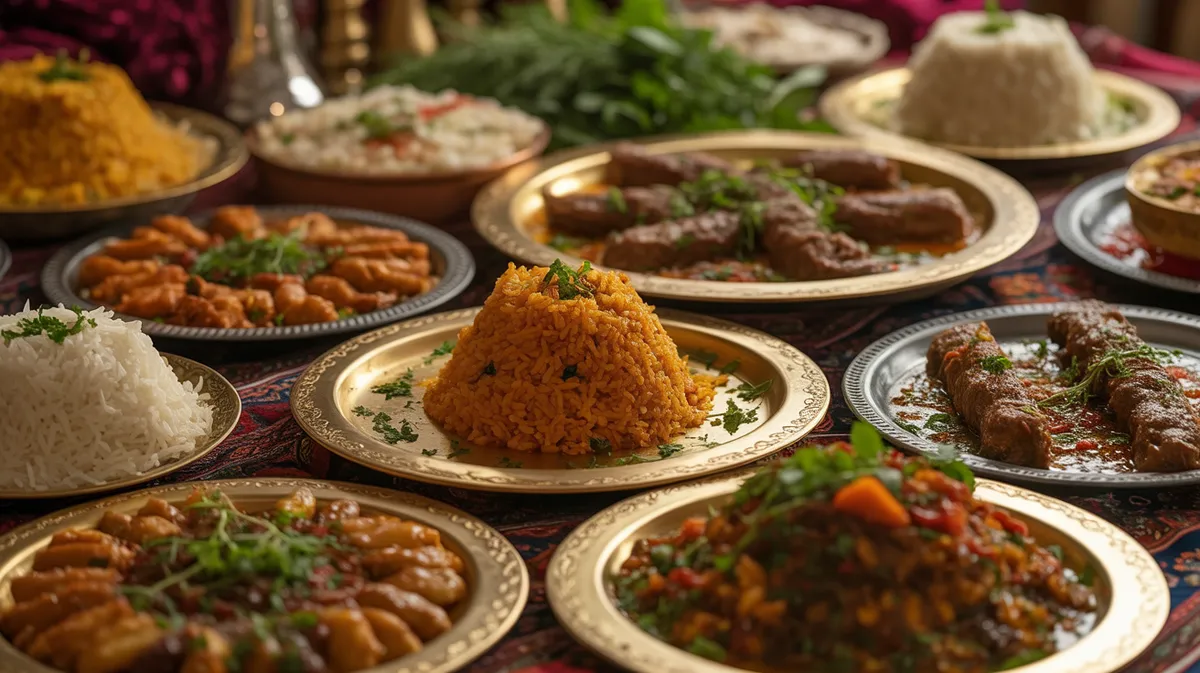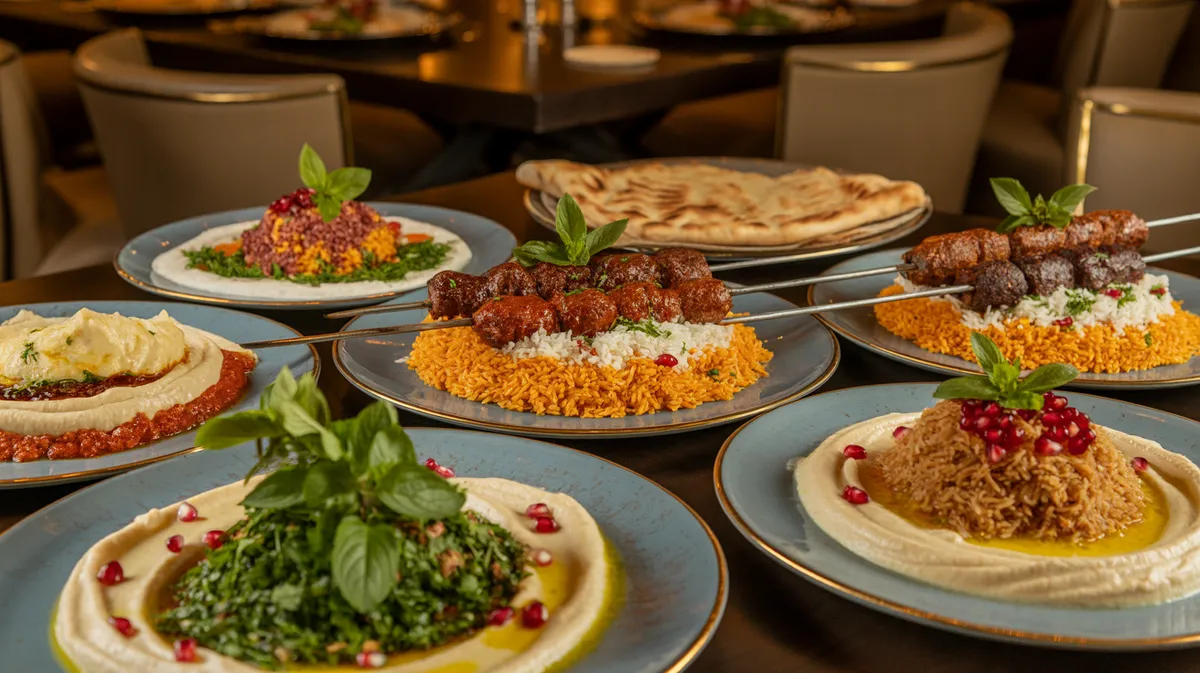
Walking into a Persian restaurant for the first time can feel overwhelming. The menu is filled with unfamiliar names—koobideh, ghormeh sabzi, tahdig—and you're not sure where to start. Don't worry. After this guide, you'll order like a regular and discover why Persian cuisine is one of the world's most celebrated culinary traditions.
At Carnys Restaurant in Encino, we've guided thousands of first-timers through their Persian food journey. Here are the 10 dishes you absolutely must try, why they're special, and how to enjoy them like a local.
1. Koobideh: The King of Persian Kebabs
What it is: Ground beef or lamb kebabs, seasoned with onion, saffron, and spices, grilled over open flame on flat skewers.
Why you'll love it: Koobideh is the most popular Persian dish for a reason. The meat is kneaded until incredibly tender, creating a texture that's simultaneously juicy and slightly crispy on the edges. The onion caramelizes during grilling, adding natural sweetness.
How to eat it: Wrap pieces in lavash bread with fresh herbs (basil, mint, tarragon), raw onion slices, and a squeeze of lime. Sprinkle sumac (the tangy red spice on your table) generously—it's the traditional accompaniment.
Pronunciation tip: koo-BEE-deh
Carnys insider: Our Chef Ali marinates the meat for 24 hours and hand-grinds it twice for that signature silky texture.
2. Tahdig: The Crispy Rice Everyone Fights Over
What it is: The golden, crispy layer of rice from the bottom of the pot. It's intentionally created and considered the most prized part of any Persian rice dish.
Why you'll love it: Imagine the best potato chip you've ever had, but made of rice. It's crunchy, buttery, slightly caramelized, and addictively delicious. In Persian households, there's often friendly competition for the tahdig.
How to eat it: Break off pieces and eat alongside your stew or kebab. Some people drizzle it with liquid saffron for extra luxury.
Pronunciation tip: tah-DEEG
Fun fact: The word means "bottom of the pot." Making perfect tahdig is considered a mark of a skilled Persian cook.
3. Ghormeh Sabzi: Iran's National Stew
What it is: A deeply savory herb stew made with fenugreek, parsley, cilantro, chives, tender lamb or beef, red kidney beans, and dried Persian limes.
Why you'll love it: If you've never had Persian stew, ghormeh sabzi will change your expectations. The slow-cooked herbs create an earthy, complex flavor unlike anything in Western cuisine. The dried limes add a unique tangy-bitter depth.
How to eat it: Always served over fluffy basmati rice. Mix the stew into the rice so every bite has both. The rice absorbs the incredible sauce.
Pronunciation tip: GHOR-meh SAB-zee
Carnys insider: We simmer our ghormeh sabzi for 4+ hours until the herbs melt into the sauce. The dried limes we use are imported directly from Iran.
4. Hummus: The Universal Crowd-Pleaser
What it is: Creamy chickpea dip blended with tahini (sesame paste), lemon, garlic, and olive oil.
Why you'll love it: Even if you've had hummus before, authentic restaurant hummus is a revelation. When made fresh with high-quality tahini, it's impossibly smooth, rich, and far superior to store-bought versions.
How to eat it: Scoop with warm pita bread, use as a sauce for kebabs, or spread on sandwiches. At Carnys, we drizzle ours with extra virgin olive oil, paprika, and whole chickpeas.
Carnys insider: We peel every chickpea by hand for that cloud-like texture. Yes, it takes forever. Yes, it's worth it.
5. Joojeh Kebab: Saffron Chicken Perfection
What it is: Chicken pieces marinated in saffron, yogurt, lemon, and garlic, then grilled until charred and juicy.
Why you'll love it: The yogurt tenderizes the chicken while the saffron gives it a gorgeous golden color and floral aroma. It's bright, lemony, and incredibly aromatic—a lighter alternative to beef kebabs.
How to eat it: Serve with saffron rice, grilled tomatoes, and fresh herbs. The tomato juice mixes with the rice for extra flavor.
Pronunciation tip: JOO-jeh keh-BOB
Best for: First-timers who want something familiar yet exotic. If you like lemon chicken, you'll love joojeh.
6. Kashk-e Bademjan: The Smoky Eggplant Dip
What it is: Roasted eggplant mashed with kashk (fermented whey), fried onions, garlic, and mint.
Why you'll love it: This is comfort food elevated. The eggplant becomes silky and smoky, the kashk adds tang, and the crispy fried onions on top provide crunch. It's rich, satisfying, and completely vegetarian.
How to eat it: Spread on warm bread or scoop with pita. It's traditionally served at room temperature.
Pronunciation tip: KASHK-eh baw-dem-JAWN
Carnys tip: Order this alongside hummus and baba ganoush for a complete mezze experience.
7. Zereshk Polo ba Morgh: Jeweled Rice with Chicken
What it is: Saffron rice studded with tangy barberries (zereshk), served with braised chicken in a tomato-saffron sauce.
Why you'll love it: The barberries look like tiny rubies and provide pops of tartness that contrast beautifully with the fragrant rice. The chicken is fall-off-the-bone tender. It's a feast for the eyes and palate.
How to eat it: Mix everything together—the chicken sauce, rice, and barberries should all combine in each bite.
Pronunciation tip: zeh-RESHK po-LOH ba MORGH
Cultural note: This is a celebration dish in Iran, often served at weddings and special occasions.
8. Baba Ganoush: Smoky Eggplant Spread
What it is: Fire-roasted eggplant blended with tahini, lemon, garlic, and olive oil.
Why you'll love it: Similar to hummus in texture but with a distinct smoky, earthy flavor. The eggplant is charred over open flame, which gives it that unmistakable smokiness.
How to eat it: Perfect for dipping with warm pita, spreading on kebab wraps, or eating straight off the spoon (we won't judge).
Pronunciation tip: BAH-bah gah-NOOSH
How it differs from kashk-e bademjan: Baba ganoush uses tahini (Middle Eastern style), while kashk-e bademjan uses kashk (Persian style). Both are delicious!
9. Fesenjan: Pomegranate Walnut Stew
What it is: A rich, dark stew made with ground walnuts, pomegranate molasses, and chicken or duck.
Why you'll love it: Fesenjan is unlike anything you've tasted. It's sweet, sour, and nutty all at once—a flavor combination that sounds impossible but works perfectly. The pomegranate adds fruity tang while the walnuts create creamy richness.
How to eat it: Always served over plain basmati rice. The contrast between the rich stew and fluffy rice is essential.
Pronunciation tip: feh-sen-JAWN
Adventurous eaters: This is your dish. If you want something completely new and remarkable, fesenjan delivers.
10. Persian Tea and Baklava: The Perfect Ending
What it is: Strong black tea served in glass cups, accompanied by layers of buttery phyllo pastry filled with pistachios and soaked in rosewater-scented syrup.
Why you'll love it: Persian meals traditionally end with tea, not coffee. The hot, slightly bitter tea perfectly balances the sweet, nutty baklava. It's a ritual that encourages lingering at the table.
How to enjoy it: Place a sugar cube between your teeth and sip the tea through it (traditional method), or simply stir the sugar into your tea. Eat the baklava in small bites between sips.
Carnys insider: Our baklava is made in-house with Iranian pistachios and rosewater syrup. Each piece takes 3 days to prepare.
How to Order Like a Pro
For Your First Visit
Start with a mezze platter (hummus, baba ganoush, and tabbouleh) to share, followed by koobideh kebab with saffron rice and tahdig. End with Persian tea and baklava. This gives you a well-rounded introduction.
For the Adventurous
Order ghormeh sabzi or fesenjan as your main—these stews showcase Persian cuisine's unique character. Add kashk-e bademjan as an appetizer.
For Groups
Order family-style: multiple kebabs, rice dishes, and mezze platters to share. This is how Persians eat, and it lets everyone try everything.
Essential Persian Food Vocabulary
| Word | Meaning |
|---|---|
| Kebab/Kabab | Grilled meat |
| Polo | Rice (cooked with other ingredients) |
| Khoresh | Stew |
| Sabzi | Herbs/greens |
| Naan | Bread |
| Doogh | Yogurt drink (like salty lassi) |
| Noosh-e jan | "Bon appétit" (literally "may it nourish your soul") |
Common Questions from First-Timers
Is Persian food spicy?
No! Persian cuisine uses many spices but is not spicy-hot. The flavors are aromatic and complex rather than fiery. Think saffron, turmeric, dried limes, and roses—not chili peppers.
Is it vegetarian-friendly?
Absolutely. Many Persian dishes are naturally vegetarian: kashk-e bademjan, stuffed grape leaves, herb-filled omelets (kuku sabzi), various rice dishes, and all the mezze dips.
Is Persian food halal?
At most Persian restaurants, including Carnys, all meat is halal-certified.
What should I drink with Persian food?
Traditional: Persian tea or doogh (yogurt drink). Modern: Dry rosé or Pinot Noir pairs beautifully with kebabs. For non-alcohol, try our botanical bar drinks.
Your Persian Food Journey Starts Here
Persian cuisine is one of the world's oldest and most sophisticated culinary traditions, with roots going back 2,500 years to the ancient Persian Empire. At Carnys, we're honored to introduce newcomers to these incredible flavors.
Ready to begin your journey? Visit us at 16101 Ventura Boulevard, Encino, call (818) 489-2557 for reservations, or book online. Our servers are always happy to guide first-timers through the menu.
Noosh-e jan—may your meal nourish your soul!
Topics
About the Author
Chef Ali Rezaei • Executive Chef & Co-Owner
With over 15 years of Persian and Mediterranean culinary expertise, Chef Ali brings authentic flavors from Tehran to Los Angeles. Trained at Le Cordon Bleu and having worked in Michelin-starred establishments across California, Chef Ali specializes in traditional Persian cooking techniques while adding his own modern twist. His signature dishes include hand-ground koobideh kebabs, slow-cooked ghormeh sabzi, and the restaurant's famous saffron-infused tahdig.
View Full Profile →Experience Carnys Today
Book your table and discover why Carnys is Encino's favorite Mediterranean lounge for unforgettable dining, hookah, and live entertainment.