Master the Art of Persian Koobideh
Kabab koobideh is the crown jewel of Persian cuisine - tender, juicy ground beef kebabs that are perfectly spiced and grilled to perfection. At Carnys Restaurant in Encino, our Chef Ali has perfected this centuries-old recipe, and today we're sharing his authentic technique that results in kebabs that are crispy on the outside, succulent on the inside, and bursting with flavor.
This isn't just another kebab recipe. Koobideh (pronounced koo-bee-DEH) is an art form that requires technique, patience, and the right combination of ingredients. Follow this complete guide, and you'll be able to recreate the same restaurant-quality kebabs we serve at Carnys.
Why This Koobideh Recipe Works
After making thousands of koobideh kebabs at Carnys, Chef Ali has refined every detail of this recipe:
- Double-Ground Meat: The meat is ground twice for the perfect sticky texture that clings to the skewers
- Proper Fat Ratio: 20-25% fat content ensures juicy, flavorful kebabs that don't dry out
- Grated Onion Technique: Onions are grated and squeezed dry to add flavor without excess moisture
- Extended Kneading: 8-10 minutes of kneading develops the protein structure
- Resting Time: Chilling the mixture overnight allows flavors to meld
- High-Heat Grilling: Quick cooking over 500-600°F creates the perfect char while keeping the interior moist
Essential Ingredients
The beauty of koobideh lies in its simplicity. You only need 7 core ingredients, but quality matters:
The Meat
Ground Beef (2 lbs): Use chuck or a blend with 20-25% fat. Lean meat will result in dry kebabs. Ask your butcher to grind it twice through a fine plate, or pulse it in a food processor at home until very fine and sticky.
The Aromatics
Yellow Onions (2 large): These must be grated, not chopped. Grating releases more moisture and creates a finer texture. The key is to squeeze out ALL the liquid - this is crucial for texture.
Garlic (3-4 cloves): Minced finely or grated. Fresh garlic is essential - don't use powder.
The Spices
Salt (1 tablespoon): Essential for flavor development and protein extraction.
Black Pepper (1 teaspoon): Freshly ground for best flavor.
Turmeric (1 teaspoon, optional): Adds color and a subtle earthy note.
Bloomed Saffron (1/2 teaspoon, optional): The ultimate Persian touch. Grind saffron threads and steep in 2 tablespoons of hot water for 10 minutes.
For Serving
Sumac: Sprinkle over finished kebabs for tangy, lemony flavor
Basmati Rice: Preferably with crispy tahdig
Grilled Tomatoes: Thread whole cherry tomatoes on skewers and grill alongside the kebabs
Fresh Herbs: Basil, mint, and parsley
Lavash Bread or Pita: For wrapping
Step-by-Step Instructions
Step 1: Prepare the Onions (Critical!)
This is the most important step that many home cooks get wrong. Peel and quarter 2 large yellow onions. Using the fine holes of a box grater, grate the onions into a bowl. You should have about 1.5 to 2 cups of grated onion.
Here's the crucial part: Transfer the grated onions to a clean kitchen towel or several layers of cheesecloth. Gather the cloth and squeeze HARD over the sink. You want to extract as much liquid as possible - aim to remove at least 1/2 cup of liquid. The onions should be nearly dry and significantly reduced in volume.
Chef Ali's Tip: "If your onions are too wet, your kebabs will fall apart on the grill. Squeeze harder than you think you need to - the onions can take it!"
Step 2: Process the Meat
If your butcher hasn't double-ground the meat, you'll need to do it at home. Place the ground beef in a food processor and pulse 15-20 times until the meat becomes very fine and slightly sticky. It should look almost like a paste. Don't over-process or it will become mushy.
Alternatively, you can knead the meat for 2-3 minutes with wet hands, but food processing gives better results.
Step 3: Combine and Knead
In a large bowl, combine the processed meat, squeezed onions, minced garlic, salt, black pepper, turmeric, and bloomed saffron (if using). Now comes the hard work - and it's essential.
With wet hands (keep a bowl of water nearby), begin kneading and slapping the meat mixture. Lift the mixture and slap it back into the bowl with force. Knead for 8-10 minutes. Yes, really! This develops the myosin proteins which gives koobideh its characteristic sticky texture.
The mixture is ready when it's very sticky, elastic, and holds together when you squeeze it. It should almost feel like playdough.
Chef Ali's Tip: "This kneading step is where the magic happens. Persian grandmothers can knead for 20 minutes! The more you knead, the better your kebabs will hold together on the grill."
Step 4: Rest in Refrigerator
Cover the bowl tightly with plastic wrap and refrigerate for at least 2 hours, but preferably 4-6 hours or overnight. This resting time allows:
- The salt to penetrate and season the meat evenly
- The proteins to bind more firmly
- The flavors to meld together
- The mixture to firm up for easier handling
Step 5: Prepare Your Grill
Koobideh requires HIGH heat. Preheat your grill to 500-600°F. If using charcoal, wait until the coals are white-hot. For gas grills, preheat on high for 15 minutes.
Clean and oil your grill grates thoroughly. This is crucial to prevent sticking.
Step 6: Form the Kebabs
You'll need flat metal skewers (1-inch wide ideally). Wet your hands generously with water. Take a baseball-sized portion of the meat mixture (about 1/2 cup or 4-5 ounces).
Working quickly, mold the meat around the skewer, forming an 8-10 inch cylinder. The meat should be about 1 to 1.5 inches in diameter. Squeeze firmly to ensure it's tightly packed and adheres to the skewer.
Here's the technique: Cup your hand around the meat and slide it down the length of the skewer, applying even pressure. Repeat 2-3 times to create a smooth, even cylinder with no cracks or gaps.
Pro Technique: Place the skewer on the edge of your work surface with the meat overhanging. Roll the skewer back and forth a few times to smooth the surface and ensure even thickness.
Place formed kebabs on a large plate or tray. They can touch each other slightly but shouldn't be stacked.
Step 7: Grill to Perfection
Oil the grill grates again just before cooking. Place the skewers on the grill, spacing them about 1 inch apart. Grill for 3-4 minutes on the first side without moving them. You're looking for a deep golden-brown crust with slight charring.
Using tongs, carefully turn each skewer 90 degrees. If a kebab starts to slide, quickly reshape it with wet hands. Cook for another 3-4 minutes.
Turn again and cook for 3-4 more minutes. For extra insurance, you can flip once more for a total of 10-12 minutes cooking time.
The kebabs are done when:
- The internal temperature reaches 160°F (use an instant-read thermometer)
- The exterior is evenly browned with some charred spots
- They feel firm when gently squeezed
- The juices run clear
Chef Ali's Warning: "Don't walk away from the grill! Koobideh needs constant attention. Stay nearby and be ready to catch any kebabs that start to slide off the skewer."
Step 8: Serve Immediately
Using a fork or the back of lavash bread, slide the kebabs off the skewers onto a serving platter. Arrange them over basmati rice or alongside lavash bread.
Sprinkle generously with sumac and add grilled tomatoes. Serve with fresh herbs, sliced onions, and lemon wedges.
Common Mistakes to Avoid
1. Wet Onions
This is the #1 mistake. If you don't squeeze enough liquid from the onions, the meat mixture will be too wet, causing the kebabs to fall apart on the grill.
2. Not Enough Kneading
Skimping on kneading time results in kebabs that don't hold together. Set a timer for 8 minutes and don't cheat!
3. Low Heat
Cooking koobideh over medium heat causes them to steam instead of sear, resulting in dry, crumbly meat. You NEED high heat.
4. Touching Too Soon
Moving the kebabs before they've developed a crust causes them to stick and tear. Let them cook undisturbed for at least 3 minutes per side.
5. Using Round Skewers
Round skewers allow the meat to spin. Flat skewers provide much better grip.
6. Lean Meat
Ground beef with less than 15% fat will produce dry kebabs. Aim for 20-25% fat.
Chef Ali's Pro Tips
For Extra Juiciness: Add 2 tablespoons of plain yogurt to the meat mixture. This is a secret technique used in some Persian restaurants.
For Smokier Flavor: Add 1/2 teaspoon of liquid smoke to the meat mixture, or cook over charcoal instead of gas.
Perfect Timing: Form your kebabs 30 minutes before grilling and place them in the freezer. This firms them up and reduces slippage on the grill.
Oven Method: No grill? Place kebabs on a wire rack over a foil-lined baking sheet. Broil 6 inches from the heat for 4-5 minutes per side, rotating three times.
Make-Ahead: The meat mixture can be prepared up to 24 hours in advance. Formed kebabs can be frozen for up to 1 month. Thaw in the refrigerator before grilling.
Serving Suggestions
Traditional Persian Style
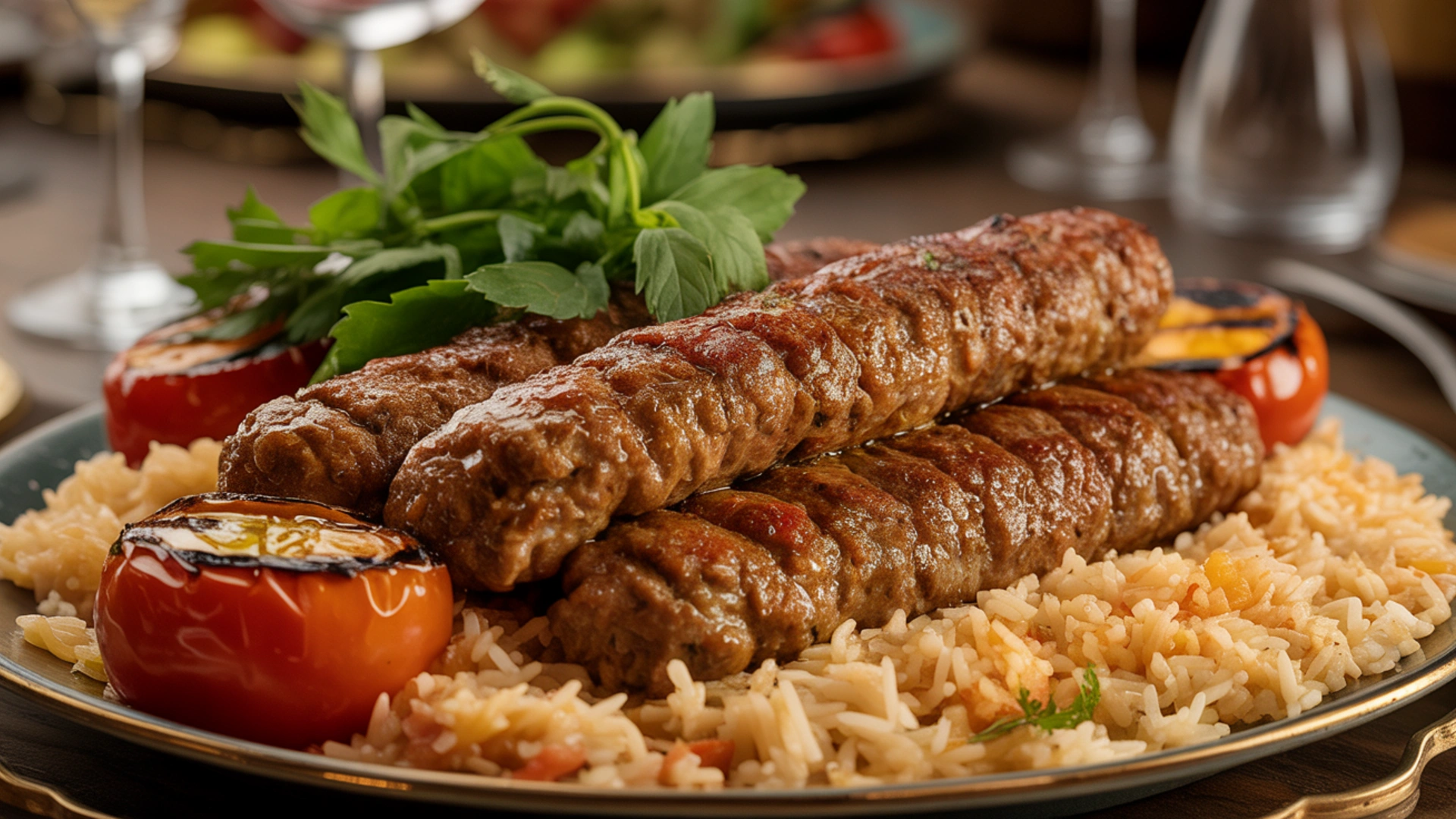
Serve koobideh over basmati rice with crispy tahdig, grilled tomatoes, and a side of fresh herbs (sabzi khordan). Add sliced onions that have been salted and squeezed, plus lemon wedges and sumac.
Wrap Style
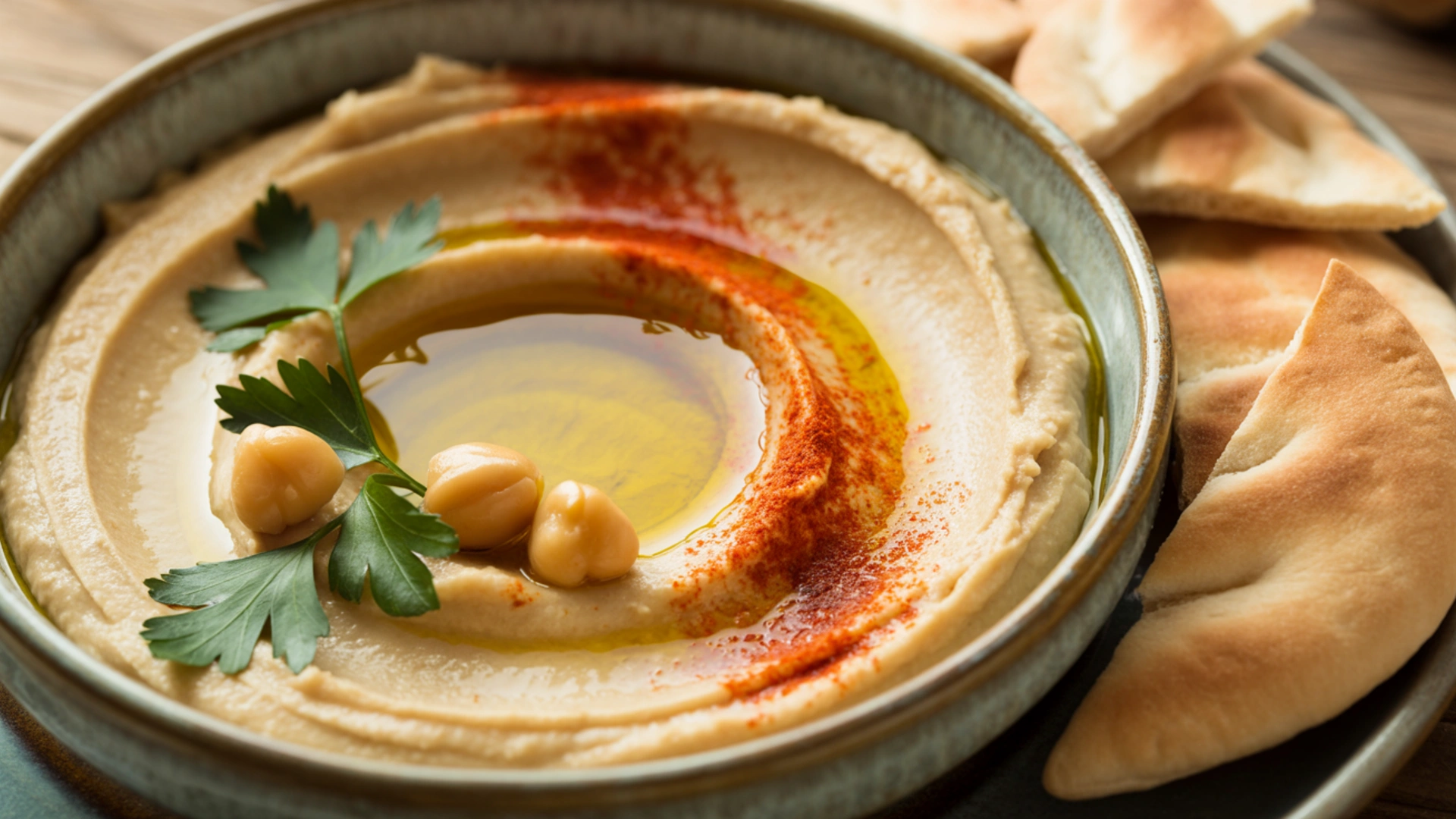
Place kebabs in warm lavash bread with hummus, diced cucumbers, tomatoes, lettuce, and pickled turnips. Roll tightly and serve with tahini sauce.
Modern Fusion
Slice kebabs and serve over a Mediterranean grain bowl with quinoa, roasted vegetables, feta cheese, and tzatziki sauce.
Storage and Reheating
Refrigerator: Cooked kebabs keep for 3-4 days in an airtight container. Reheat in a 350°F oven for 10 minutes or quickly sear in a hot skillet.
Freezer: Wrap cooked kebabs individually in foil, then place in a freezer bag. Freeze for up to 3 months. Reheat from frozen in a 375°F oven for 20-25 minutes.
Raw Mixture: The uncooked meat mixture freezes beautifully for up to 3 months. Thaw overnight in the refrigerator before forming and grilling.
Frequently Asked Questions
Can I use ground lamb or chicken?
Absolutely! Ground lamb (20% fat) makes exceptionally flavorful koobideh with a more traditional Persian taste. Ground chicken (using dark meat) works but requires adding 2-3 tablespoons of olive oil to the mixture for moisture.
Why do my kebabs fall off the skewer?
Usually because: 1) The onions weren't squeezed dry enough, 2) Not enough kneading, 3) The grill wasn't hot enough, or 4) You moved them too soon. Make sure to follow all the steps carefully.
Can I make these without a grill?
Yes! Use your oven's broiler (see pro tips above) or cook them in a grill pan over high heat. You won't get quite the same char, but they'll still be delicious.
What's the difference between koobideh and regular beef kebabs?
Koobideh is always made with ground meat that's been heavily processed and kneaded to create a sticky, cohesive texture. Regular kebabs use chunks of meat. The technique, texture, and flavor profile are completely different.
How do I know when they're done?
Use an instant-read thermometer - the internal temperature should reach 160°F. Visually, they should be evenly browned with some charring, and feel firm (not mushy) when gently squeezed.
The Carnys Experience
At Carnys Restaurant in Encino, we serve our koobideh kebabs with saffron-infused basmati rice topped with our signature crispy tahdig, fire-roasted tomatoes, and a selection of fresh herbs. Our chefs prepare each order fresh, ensuring that perfect char and juicy interior that has made our kebabs legendary in the San Fernando Valley.
Visit us at 16101 Ventura Boulevard to experience authentic Persian koobideh prepared by Chef Ali, or use this recipe to bring the flavors of Carnys into your own kitchen.
Nutrition Information
Per serving (2 kebabs with rice):
- Calories: 520
- Protein: 42g
- Fat: 28g (12g saturated)
- Carbohydrates: 24g (from rice)
- Fiber: 2g
- Sodium: 680mg
This recipe makes 8 servings (16 kebabs total). The above nutrition is for 2 kebabs plus 1 cup of rice.
Make this recipe at home and share your results with us on Instagram @carnysencino using #CarnysCooking - we love seeing your creations!
Topics
About the Author
Chef Ali Rezaei • Executive Chef & Co-Owner
With over 15 years of Persian and Mediterranean culinary expertise, Chef Ali brings authentic flavors from Tehran to Los Angeles. Trained at Le Cordon Bleu and having worked in Michelin-starred establishments across California, Chef Ali specializes in traditional Persian cooking techniques while adding his own modern twist. His signature dishes include hand-ground koobideh kebabs, slow-cooked ghormeh sabzi, and the restaurant's famous saffron-infused tahdig.
View Full Profile →Experience Carnys Today
Book your table and discover why Carnys is Encino's favorite Mediterranean lounge for unforgettable dining, hookah, and live entertainment.