Iran's Most Beloved Stew
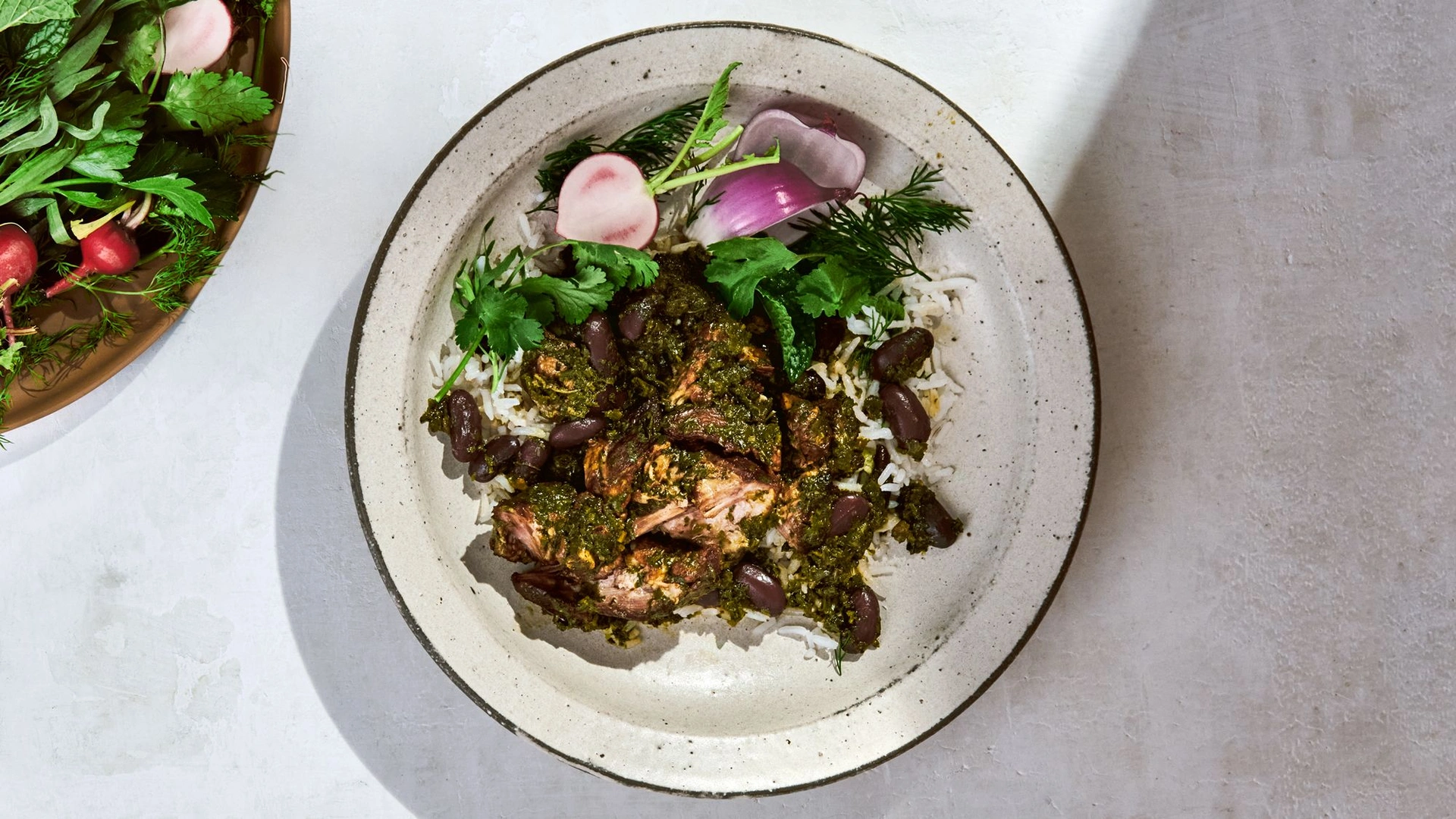
Ghormeh sabzi is Iran's national dish - a rich, complex herb stew that's beloved across the Persian diaspora. At Carnys Restaurant, Chef Ali prepares this centuries-old recipe using traditional techniques passed down through generations. This isn't a quick weeknight dinner; it's a labor of love that fills your home with incredible aromas and rewards your patience with layers of unforgettable flavor.
The name "ghormeh sabzi" translates to "fried herbs," and that's exactly what makes this dish special. Fresh parsley, cilantro, fenugreek, and green onions are slowly fried until they turn a deep, dark green (almost black), concentrating their flavors. Combined with tender chunks of beef or lamb, red kidney beans, and the distinctive tang of dried Persian limes, the result is a stew unlike anything else in world cuisine.
What Makes This Recipe Authentic
After preparing ghormeh sabzi countless times at Carnys, Chef Ali has mastered every nuance:
- Fresh Herbs Only: We use 7 cups of fresh herbs - no dried substitutes. This is the heart and soul of the dish
- Proper Frying Technique: Herbs are fried slowly for 15-20 minutes until very dark green, releasing their essential oils
- Long Cooking Time: The stew simmers for 3+ hours, allowing flavors to meld completely
- Persian Limes (Limoo Omani): These dried limes provide a unique citrusy-sour note that can't be replicated
- Balance: The perfect harmony of herbal, tangy, and rich savory flavors
Essential Ingredients
The Meat
Lamb or Beef (2 lbs): Lamb shoulder or beef chuck, cut into 1-inch cubes. Lamb is more traditional and adds a deeper flavor, but beef works beautifully too. Look for well-marbled meat that can withstand long cooking.
The Herbs (The Star of the Show)
Fresh Parsley (4 cups, finely chopped): Use flat-leaf Italian parsley for the best flavor. This forms the base of your herb mixture.
Fresh Cilantro (2 cups, finely chopped): Adds brightness and citrus notes.
Fresh Fenugreek Leaves (1 cup, chopped): This is the secret ingredient that gives ghormeh sabzi its distinctive flavor. Find it at Middle Eastern or Persian markets. If unavailable, substitute with an extra cup of parsley plus 1 tablespoon dried fenugreek.
Green Onions (1 cup, chopped): Use both white and green parts.
Pro Tip: Many Persian markets sell pre-mixed "ghormeh sabzi" herb blends in the freezer section. While convenient, fresh herbs make a noticeable difference in flavor.
The Other Key Players
Dried Persian Limes (3-4 pieces): Called "limoo omani" in Persian. These are essential! Pierce each one several times with a fork before adding. Find them at Middle Eastern markets or online.
Dried Red Kidney Beans (1 cup): Soaked overnight and cooked until tender. You can substitute canned beans (drained and rinsed), adding them in the last hour of cooking.
Yellow Onions (2 large): Chopped for the base.
Turmeric (1 teaspoon): For color and subtle earthiness.
Oil (4-5 tablespoons): Vegetable or canola oil for frying.
Salt and Black Pepper: To taste.
Step-by-Step Instructions
Step 1: Prep Your Herbs (This is Critical)
Wash all herbs thoroughly and dry them completely. This is crucial - wet herbs will steam instead of fry. Spread them on kitchen towels and pat dry, or use a salad spinner.
Remove thick stems from parsley and cilantro. Chop all herbs very finely - aim for pieces about 1/4 inch. The finer you chop, the better they'll cook down. Persian cooks traditionally use a mezzaluna (curved knife) for this task.
You should have approximately 7-8 cups of chopped herbs total. It seems like a lot, but they'll cook down significantly.
Chef Ali's Tip: "I prep my herbs the night before and leave them spread on kitchen towels in the refrigerator. This ensures they're completely dry and ready to fry properly."
Step 2: Brown the Meat
Heat 2 tablespoons of oil in a large Dutch oven or heavy-bottomed pot over high heat. Working in batches to avoid crowding, brown the meat cubes on all sides. This should take 8-10 minutes total. Don't rush this step - good browning equals deeper flavor.
Remove browned meat to a plate and set aside.
Step 3: Cook the Onions
In the same pot (with all those lovely browned bits), add another tablespoon of oil if needed. Add the chopped onions and cook over medium-high heat, stirring frequently, until they're golden brown (10-15 minutes).
Add the turmeric and stir for 30 seconds until fragrant.
Step 4: Fry the Herbs (The Most Important Step)
This is where ghormeh sabzi gets its name and soul. Add 2-3 tablespoons of oil to the pot. Add all the chopped herbs at once. They'll fill the pot completely - don't worry, they'll shrink dramatically.
Stir the herbs over medium to medium-low heat. Keep stirring frequently to prevent burning. The herbs will hiss and steam at first as their moisture evaporates. Continue cooking, stirring every few minutes, for 15-20 minutes.
The herbs will gradually darken from bright green to dark green to nearly black. This is what you want! The color should be so dark it almost looks burnt (but shouldn't actually be burnt). They'll also reduce to about 1/3 their original volume.
Chef Ali's Warning: "Many people don't fry their herbs long enough or dark enough. You want them VERY dark green, almost black. This concentrates all the flavors. Don't be afraid of the color!"
Step 5: Combine and Simmer
Return the browned meat to the pot with the fried herbs. Stir to combine. Add 4-5 cups of water (enough to just cover the meat and herbs).
Pierce your Persian limes several times with a fork and add them to the pot. Bring everything to a boil, then reduce heat to low. Cover and simmer for 2 hours, stirring occasionally.
After 2 hours, add your cooked kidney beans. If using canned beans, add them now. Taste and add salt and black pepper. The stew should be thick but still have some liquid - add a bit more water if it's looking dry.
Continue simmering, covered, for another 30-45 minutes, until the meat is fall-apart tender and the beans are soft.
Step 6: Final Adjustments
In the last 15 minutes of cooking, taste and adjust seasoning. The flavor should be:
- Rich and herbal from the fried herbs
- Tangy from the Persian limes
- Deep and savory from the long-cooked meat
- Slightly earthy from the beans
If it needs more tartness, squeeze in some fresh lime or lemon juice. If it's too tart, add a teaspoon of sugar. If it lacks depth, add more salt.
The finished stew should be thick enough to coat a spoon but not dry. The oil will rise to the surface slightly - this is normal and traditional.
Serving Ghormeh Sabzi
Traditional Presentation
Serve ghormeh sabzi over steamed basmati rice, preferably with crispy tahdig (the coveted crispy rice from the bottom of the pot). The rice should be fluffy and aromatic, providing a perfect backdrop for the intensely flavored stew.
Traditional accompaniments include:
- Fresh Herbs (Sabzi Khordan): A platter of fresh basil, mint, tarragon, and radishes
- Mast-o-Khiar: Cucumber yogurt (similar to tzatziki)
- Torshi: Persian pickled vegetables
- Salad Shirazi: Diced cucumber, tomato, onion with lime juice
Modern Serving Ideas
While traditional is best, ghormeh sabzi also works wonderfully:
- Over quinoa or bulgur for a lighter option
- With flatbread for scooping
- As a filling for wraps with yogurt sauce
- Over roasted sweet potatoes
Common Mistakes and How to Avoid Them
1. Wet Herbs
Frying wet herbs causes them to steam and become mushy instead of developing that crucial dark color and concentrated flavor. Always dry your herbs thoroughly.
2. Not Frying Herbs Long Enough
The #1 mistake! Herbs should be very dark green, almost black. If they're still bright green, keep cooking. This step is what makes ghormeh sabzi special.
3. Using Dried Herbs
Dried herbs simply don't work in this recipe. The volume, texture, and flavor are completely wrong. Use fresh herbs or don't make the dish.
4. Skipping the Persian Limes
While you can substitute with lemon or lime juice, you'll lose the distinctive flavor that makes ghormeh sabzi unique. Persian limes are worth seeking out.
5. Rushing the Cooking
Ghormeh sabzi needs time. The 3+ hour cooking time allows all the flavors to meld and the meat to become tender. Don't try to rush it.
Chef Ali's Pro Tips
Make It Ahead: Ghormeh sabzi actually tastes better the next day! The flavors continue to develop as it sits. Make it a day or two in advance and reheat gently.
Freeze It: This dish freezes beautifully for up to 3 months. Portion it into containers for easy weeknight meals.
Adjust the Sourness: Some people like ghormeh sabzi more tart, others less so. Adjust to your taste with fresh lime juice or additional dried limes.
Add Dried Fenugreek: If you can't find fresh fenugreek leaves, use 1-2 tablespoons of dried fenugreek (available at Indian grocers as "kasuri methi"). Add it when you add the water.
Vegetarian Version: Omit the meat and double the beans. Add mushrooms for umami. The cooking time reduces to about 1 hour total.
Instant Pot Method: Brown meat and onions using sauté function. Add fried herbs (done separately), beans, water, and limes. Pressure cook on high for 35 minutes, natural release.
The Cultural Significance
Ghormeh sabzi holds a special place in Persian culture. It's considered Iran's national dish and is traditionally prepared for Nowruz (Persian New Year). Every Persian family has their own version, passed down through generations, often with fierce debates about the "correct" way to make it.
The dish represents the Persian philosophy of balance - balancing flavors (sour, savory, herbal), textures (tender meat, creamy beans, rice), and even colors (the deep green of the stew against white rice).
Storage and Reheating
Refrigerator: Store in an airtight container for up to 5 days. The flavor actually improves over the first 2-3 days.
Freezer: Portion into freezer-safe containers or bags. Freeze for up to 3 months. Thaw overnight in the refrigerator.
Reheating: Reheat gently on the stovetop over low heat, adding a splash of water if needed. Microwave also works but stir halfway through to ensure even heating.
Frequently Asked Questions
Can I use frozen herb mix?
Yes, Persian markets sell frozen ghormeh sabzi herb mixes. They work well in a pinch. Use the same amount and fry as directed. However, fresh herbs provide noticeably better flavor.
What if I can't find fenugreek?
Substitute with extra parsley plus 1-2 tablespoons of dried fenugreek leaves (kasuri methi). The flavor won't be exactly the same, but it will still be delicious.
Why are my Persian limes so hard?
That's normal! They're dried limes. Pierce them with a sharp knife or skewer before adding to allow their flavor to infuse into the stew. They'll soften as they cook.
Can I make this in a slow cooker?
Yes! Brown the meat and fry the herbs in a skillet first. Transfer everything to a slow cooker with the other ingredients and cook on low for 6-8 hours or high for 3-4 hours.
The stew is too sour/not sour enough
The sourness develops over time and varies based on your limes. Add fresh lime juice for more tang, or add a pinch of sugar to mellow it out.
Nutrition Information
Per serving (with rice):
- Calories: 485
- Protein: 34g
- Fat: 24g (7g saturated)
- Carbohydrates: 35g (from rice and beans)
- Fiber: 8g
- Sodium: 520mg
- Iron: 15% DV
Makes 8 servings. Nutrition includes 1 cup of rice per serving.
Experience Ghormeh Sabzi at Carnys
At Carnys Restaurant in Encino, we prepare ghormeh sabzi using Chef Ali's family recipe, passed down from his grandmother in Tehran. We serve it with saffron-infused basmati rice topped with crispy tahdig, exactly as it's enjoyed in Persian homes.
Visit us at 16101 Ventura Boulevard to taste authentic ghormeh sabzi, or use this recipe to create this incredible dish in your own kitchen. Either way, you're experiencing one of the world's great culinary treasures.
Tag us @carnysencino when you make this recipe! We love seeing your ghormeh sabzi creations.
Topics
About the Author
Chef Ali Rezaei • Executive Chef & Co-Owner
With over 15 years of Persian and Mediterranean culinary expertise, Chef Ali brings authentic flavors from Tehran to Los Angeles. Trained at Le Cordon Bleu and having worked in Michelin-starred establishments across California, Chef Ali specializes in traditional Persian cooking techniques while adding his own modern twist. His signature dishes include hand-ground koobideh kebabs, slow-cooked ghormeh sabzi, and the restaurant's famous saffron-infused tahdig.
View Full Profile →Experience Carnys Today
Book your table and discover why Carnys is Encino's favorite Mediterranean lounge for unforgettable dining, hookah, and live entertainment.