In Persian cuisine, there's one dish that sparks more debate, nostalgia, and pure joy than any other: tahdig (pronounced tah-DEEG). This golden, crispy layer of rice that forms at the bottom of the pot is the most coveted part of any Persian meal. Families argue over who gets the biggest piece, guests are honored with generous portions, and Persian grandmothers guard their tahdig secrets like treasures.
At Carnys Restaurant in Encino, our Chef Ali has perfected the art of tahdig over decades, creating that perfect balance of crispy exterior and fluffy interior that defines exceptional Persian rice. Today, we're sharing his complete guide to mastering tahdig at home - from the basic technique to advanced variations that will make you the star of any dinner party.
Whether you're new to Persian cooking or looking to perfect your technique, this comprehensive guide will teach you everything you need to know about creating restaurant-quality tahdig in your own kitchen.
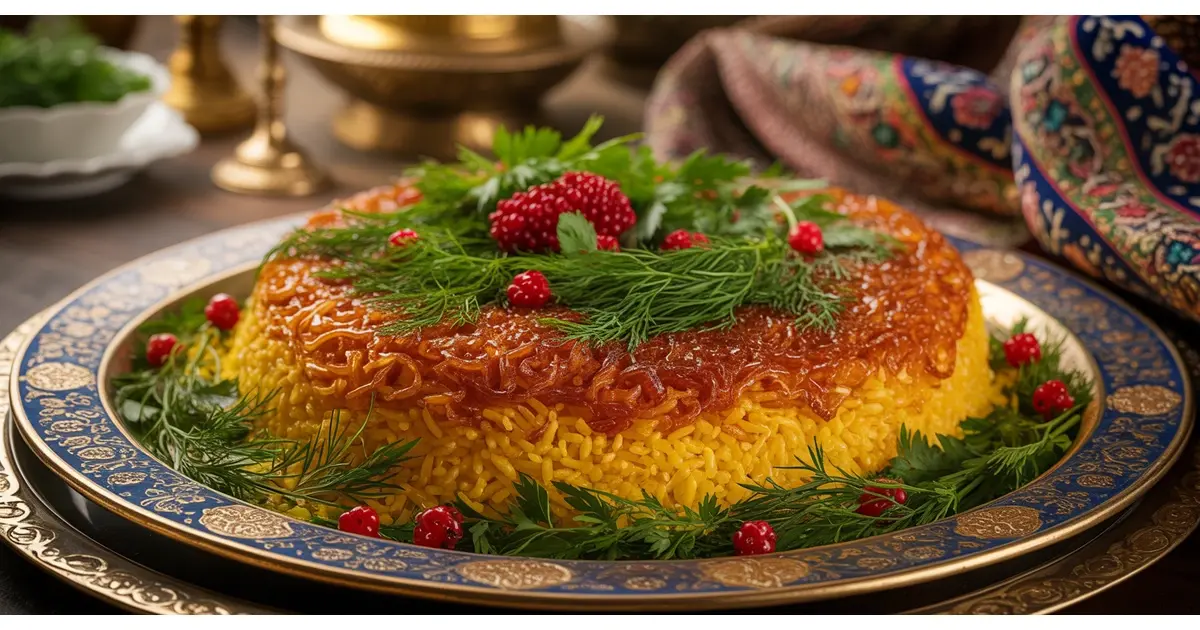
## What is Tahdig and Why is it So Special?Tahdig literally translates to "bottom of the pot" in Farsi, but this humble name belies its exalted status in Persian culture. It's the crispy, golden crust that forms when rice is cooked using a specific technique that allows the bottom layer to caramelize while the rest steams to fluffy perfection.
The Cultural Significance
In Persian households, tahdig is more than just food - it's a symbol of hospitality, skill, and love. Serving tahdig to guests shows respect and care. A Persian cook is often judged by the quality of their tahdig. The perfect piece should be:
- Golden brown: Not pale, not burned, but a beautiful amber color
- Crispy but not hard: It should shatter delicately when bitten
- Evenly cooked: No burnt spots or undercooked sections
- Easy to remove: It should release from the pot in one beautiful piece
- Aromatic: The smell of toasting rice and butter should fill the kitchen
"Tahdig is the heart of Persian cooking," Chef Ali explains. "When I was learning to cook from my grandmother in Tehran, she told me: 'Anyone can make rice, but only a true cook can make perfect tahdig.' That lesson has stayed with me for 40 years."
The Science Behind the Crunch
What makes tahdig crispy? It's all about the Maillard reaction - the chemical process that occurs when proteins and sugars are exposed to heat, creating complex flavors and that golden-brown color. The key is creating the right conditions:
- Direct heat: The bottom layer must be in contact with the hot pot
- Fat barrier: Oil or butter prevents sticking and promotes browning
- Steam above: The rest of the rice steams, creating moisture that helps the tahdig crisp
- Time and temperature: Low, steady heat for 30-45 minutes allows gradual caramelization
- Proper seal: A towel-wrapped lid traps steam while allowing excess moisture to escape
The Rice
Basmati Rice (3 cups): This is non-negotiable. Long-grain basmati rice is essential for authentic Persian rice. The grains should be aged (look for "aged basmati" on the package) as this creates fluffier, more separate grains. Brands like Tilda, Royal, or Lal Qilla work well.
Why basmati? Its long grains, low starch content, and distinctive aroma are perfect for Persian rice dishes. Short-grain or jasmine rice won't give you the same results.
The Fat
Butter (4-6 tablespoons) or Oil (1/3 cup): Traditional tahdig uses butter for flavor, but oil (vegetable, canola, or grapeseed) works well too. Some cooks use a combination. At Carnys, we use clarified butter (ghee) for the best flavor without burning.
The Seasonings
Salt (2-3 tablespoons): For the cooking water. Persian rice is generously salted during the parboiling stage.
Saffron (optional but recommended): A pinch of saffron threads, ground and bloomed in hot water, adds color, aroma, and authentic Persian flavor.
The Equipment
Non-stick pot with lid (4-6 quart): A heavy-bottomed, non-stick pot is crucial for beginners. As you gain confidence, you can use traditional pots, but non-stick makes tahdig removal much easier.
Clean kitchen towel: For wrapping the lid to absorb excess steam.
Large bowl: For soaking and rinsing rice.
Slotted spoon or spider: For removing parboiled rice.
Serving platter: Large enough to flip the entire pot of rice onto.
## The Basic Tahdig Method: Step-by-StepStep 1: Soak the Rice (2-8 hours)
Place 3 cups of basmati rice in a large bowl. Cover with cold water and add 2 tablespoons of salt. Stir gently to dissolve the salt. Let soak for at least 2 hours, but preferably 4-8 hours or overnight.
Why soak? Soaking accomplishes several things:
- Hydrates the grains so they cook more evenly
- Allows the grains to elongate during cooking
- Reduces cooking time
- Helps create fluffier, more separate grains
- The salt seasons the rice from the inside out
Chef Ali's Tip: "I soak my rice overnight. In the morning, the grains are plump and ready. This extra time makes a noticeable difference in the final texture."
Step 2: Rinse the Rice
Drain the soaked rice and rinse it under cold running water, gently swishing with your hands. Rinse until the water runs clear - this usually takes 3-5 rinses. This step removes excess starch that can make the rice gummy.
Step 3: Parboil the Rice
Fill a large pot (at least 6 quarts) with water - about 8-10 cups. Add 2 tablespoons of salt and bring to a rolling boil over high heat.
Add the rinsed rice to the boiling water. Stir gently once to prevent sticking. Let the rice boil, uncovered, for 5-7 minutes. You're looking for rice that's tender on the outside but still has a firm bite in the center - what Italians call "al dente."
How to test: After 5 minutes, fish out a grain and bite it. It should be soft on the outside but have a slight firmness in the very center. If it's still very hard, cook for another minute and test again.
Critical timing: Don't overcook at this stage! The rice will continue cooking during the steaming phase. Overcooked rice at this point will become mushy.
Once the rice is ready, drain it immediately in a fine-mesh strainer or colander. Rinse briefly with lukewarm water to stop the cooking. Let it drain while you prepare the pot.
Step 4: Prepare the Pot for Tahdig
This is where the magic happens. Wipe out your pot and return it to medium-high heat. Add 4-6 tablespoons of butter (or 1/3 cup oil) and let it melt and heat until shimmering but not smoking.
Optional saffron water: If using saffron, grind a large pinch of saffron threads with a pinch of sugar using a mortar and pestle. Add 3 tablespoons of hot water and let steep for 5 minutes. Mix 2-3 tablespoons of the parboiled rice with this saffron water - this will create a golden tahdig.
Step 5: Create the Tahdig Layer
Here's the crucial step. Take about 2-3 spatulas full of the parboiled rice (or the saffron-rice mixture if using) and spread it evenly across the bottom of the pot, creating a uniform layer about 1/2 inch thick. Press it down gently with the back of the spatula.
The pattern matters: Some cooks create a spiral pattern, others make a flat layer. At Carnys, we create a flat, even layer for the most consistent crust.
Step 6: Add the Remaining Rice
Using a slotted spoon, gently add the remaining rice to the pot, mounding it in a pyramid shape. Don't pack it down - you want the grains to steam freely. The pyramid shape allows steam to circulate.
Using the handle of a wooden spoon, poke 5-6 holes through the rice all the way to the bottom. These steam vents allow moisture to escape and help the tahdig crisp up.
Step 7: Create the Steam Seal
Take a clean kitchen towel and wrap it tightly around the pot lid. The towel should be secured so it won't touch the burner. This towel absorbs excess moisture while keeping steam trapped, creating the perfect environment for fluffy rice and crispy tahdig.
Safety note: Make sure the towel ends are secured on top of the lid, away from the heat source.
Step 8: The Two-Stage Cooking
Stage 1 - High heat (5 minutes): Cover the pot with the towel-wrapped lid and cook over medium-high heat for 5 minutes. You should hear sizzling - this is the tahdig forming.
Stage 2 - Low heat (30-45 minutes): Reduce the heat to low (or medium-low if your stove runs cool). Cook for 30-45 minutes. The longer you cook, the thicker and crispier the tahdig will be. At Carnys, we cook for 40 minutes for our signature thick, golden crust.
What you should hear: A gentle, consistent sizzle. If you hear aggressive popping or smell burning, reduce the heat. If you hear nothing, increase the heat slightly.
Chef Ali's Tip: "I rotate my pot 90 degrees every 10 minutes to ensure even browning, especially if your stove has hot spots."
Step 9: The Rest
After 30-45 minutes, turn off the heat and let the pot rest, still covered, for 5 minutes. This allows the tahdig to firm up and makes it easier to remove.
Step 10: The Grand Reveal
This is the moment of truth. Remove the lid and towel. The rice should be fluffy and aromatic, with steam rising. Now for the tahdig:
Method 1 - The Flip (Traditional):
- Run a spatula around the edges of the pot to loosen the tahdig
- Place a large serving platter over the pot
- Using oven mitts, hold the platter and pot together firmly
- In one confident motion, flip the entire pot upside down onto the platter
- Lift the pot away to reveal the golden tahdig on top
Method 2 - The Scoop (Safer for beginners):
- Use a large spoon to transfer the fluffy rice to a serving platter
- Once the rice is removed, use a spatula to carefully lift out pieces of tahdig
- Arrange the tahdig pieces on top of the rice or serve separately
"Don't be discouraged if your first flip doesn't work perfectly," Chef Ali encourages. "Even experienced cooks sometimes have tahdig that sticks. It still tastes amazing!"
## Advanced Tahdig VariationsOnce you've mastered the basic technique, try these delicious variations:
Potato Tahdig (Tahdig-e Sibzamini)
Instead of rice on the bottom, use thinly sliced potatoes (1/4 inch thick). Arrange them in overlapping circles to cover the bottom of the pot. Add oil, then proceed with the rice as usual. The result is crispy, golden potato slices that are absolutely addictive.
Chef Ali's version: "I parboil the potato slices for 3 minutes first. This ensures they cook through and get extra crispy."
Lavash Bread Tahdig
Line the bottom of the pot with pieces of lavash bread or thin flatbread. The bread becomes incredibly crispy and absorbs the flavors of the rice and butter. This is one of the most popular variations in Iran.
Yogurt Tahdig
Mix 2-3 tablespoons of plain yogurt with 1/2 cup of the parboiled rice and a pinch of saffron. Spread this mixture on the bottom of the pot before adding the remaining rice. The yogurt creates an extra-crispy, slightly tangy crust.
Saffron Tahdig
Mix 1/2 cup of parboiled rice with bloomed saffron water and 1 tablespoon of yogurt. This creates a vibrant golden-yellow tahdig that's as beautiful as it is delicious.
Herb Rice with Tahdig (Sabzi Polo)
Mix chopped fresh herbs (parsley, cilantro, dill, and chives) with the parboiled rice before adding to the pot. The herbs infuse the rice with flavor and create a green-flecked tahdig. This is traditionally served with fish.
## Troubleshooting Common Tahdig ProblemsProblem: Tahdig is Pale and Soft
Causes:
- Heat was too low during cooking
- Not enough fat in the pot
- Cooking time was too short
- Too much moisture (towel wasn't used or wasn't tight enough)
Solutions:
- Increase heat slightly during the low-heat stage
- Use more butter or oil (don't be shy!)
- Cook for the full 40-45 minutes
- Ensure the towel is wrapped tightly around the lid
Problem: Tahdig is Burned
Causes:
- Heat was too high
- Cooked for too long
- Pot has hot spots
- Not enough liquid/steam
Solutions:
- Reduce heat - it should be a gentle sizzle, not aggressive
- Start checking at 30 minutes
- Rotate the pot during cooking
- Make sure rice is properly parboiled and moist
Problem: Tahdig Won't Release from Pot
Causes:
- Pot wasn't non-stick or wasn't properly prepared
- Not enough fat used
- Didn't let it rest after cooking
Solutions:
- Use a non-stick pot, especially when learning
- Be generous with butter or oil
- Let the pot rest for 5 minutes after cooking
- Run a spatula around the edges before flipping
- If it still sticks, place the pot bottom in cold water for 30 seconds - the temperature shock helps release it
Problem: Rice is Mushy
Causes:
- Rice was overcooked during parboiling
- Too much moisture during steaming
- Didn't rinse rice enough before cooking
Solutions:
- Parboil for less time - test at 5 minutes
- Make sure the towel is absorbing excess moisture
- Rinse rice thoroughly until water runs clear
Problem: Rice is Undercooked
Causes:
- Didn't parboil long enough
- Heat was too low during steaming
- Didn't cook long enough
Solutions:
- Parboil until rice is al dente (test by biting a grain)
- Ensure you hear a gentle sizzle during cooking
- Cook for the full 30-45 minutes
The Water Test: "Before adding rice to the pot, I test the oil temperature by sprinkling a few drops of water. If they sizzle immediately, the oil is ready. If they just sit there, it's not hot enough."
The Pyramid Shape: "Always mound the rice in a pyramid or cone shape. This allows steam to circulate and prevents the top from getting soggy."
The Patience Factor: "The hardest part of making tahdig is waiting. Don't lift the lid to check! Every time you lift the lid, you release steam and lower the temperature. Trust the process."
The Sound Check: "I cook by sound as much as sight. That gentle, consistent sizzle tells me everything is working. If the sound changes, I adjust the heat."
The Rotation Technique: "I rotate my pot 90 degrees every 10 minutes. This ensures even browning, especially important if your stove has hot spots."
The Cold Water Trick: "If your tahdig is stuck, don't panic. Place the bottom of the pot in a shallow pan of cold water for 30-60 seconds. The temperature shock helps release it. This is an old Persian grandmother trick!"
The Butter Upgrade: "At Carnys, we use clarified butter (ghee). It has a higher smoke point than regular butter, so it won't burn, and it adds incredible flavor. You can buy it or make it yourself by melting butter and skimming off the milk solids."
## Serving SuggestionsTraditional Persian Style
Serve tahdig rice as the centerpiece of a Persian feast:
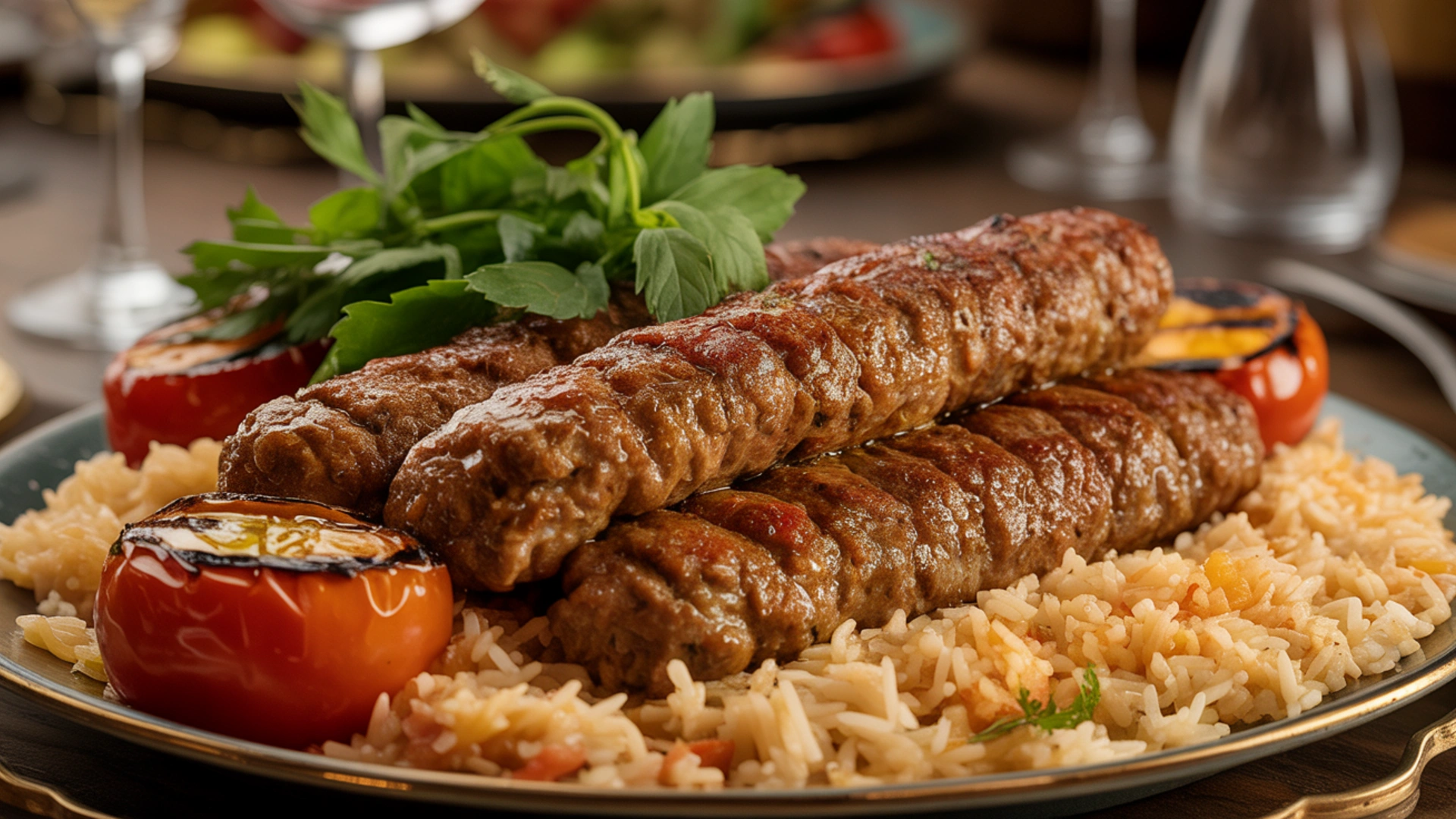
- With kebabs: Koobideh, barg, or chicken kebabs
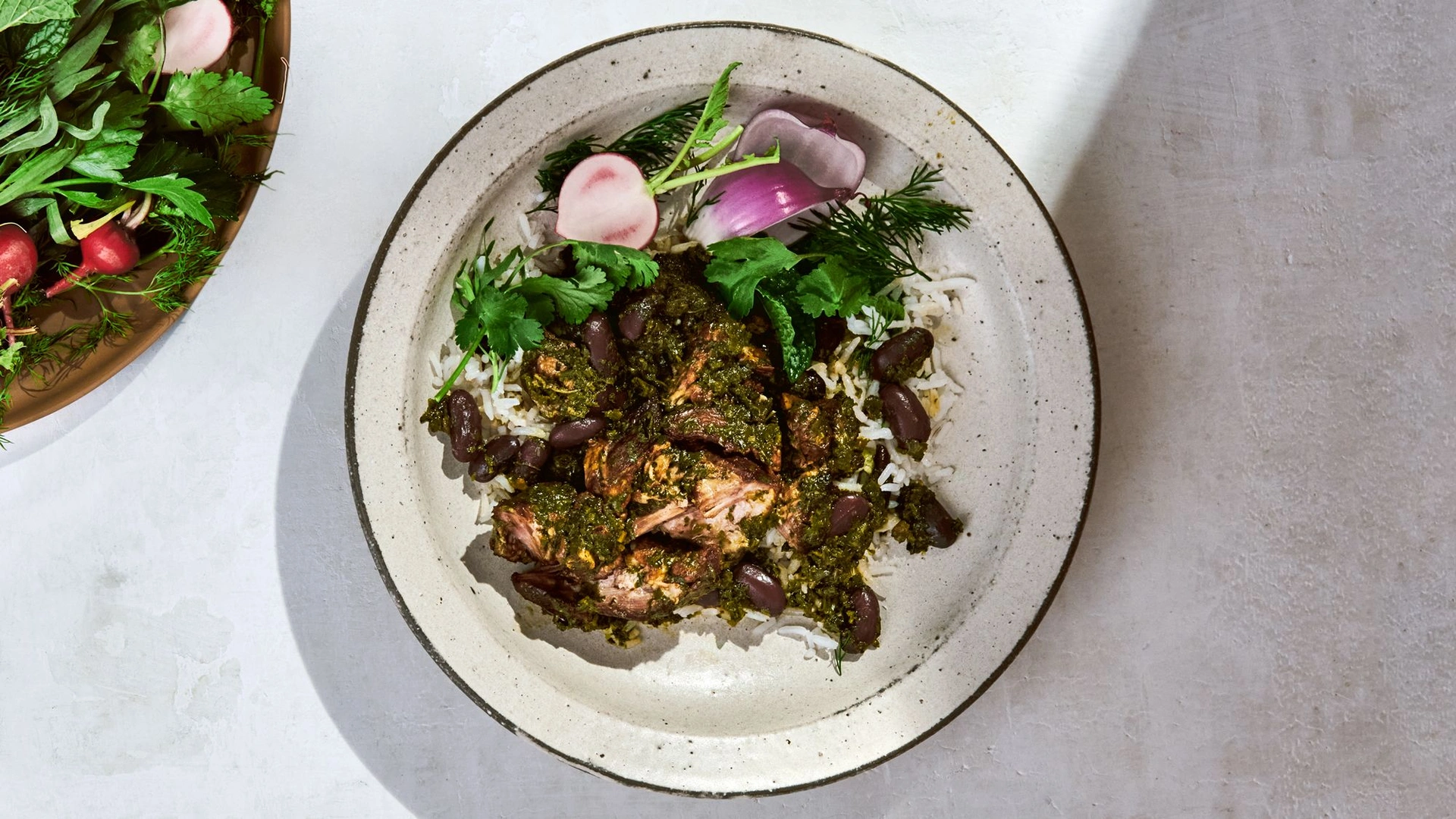
- With khoresh: Persian stews like ghormeh sabzi or fesenjan
- With grilled vegetables: Tomatoes, peppers, and onions
- With fresh herbs: A plate of fresh basil, mint, tarragon, and radishes
- With yogurt: Plain yogurt or mast-o-khiar (yogurt with cucumber)
Modern Fusion
Tahdig is incredibly versatile:
- As a base: Top with braised short ribs or lamb shanks
- In bowls: Create grain bowls with tahdig, roasted vegetables, and tahini
- As an appetizer: Break tahdig into pieces and serve with dips
- For breakfast: Top with fried eggs and herbs
The Tahdig Presentation
At Carnys, we present tahdig with ceremony:
- Flip the entire pot onto a large platter so the golden tahdig is on top
- Garnish with a sprinkle of saffron water for color
- Add a few barberries or dried cranberries for sweetness and color
- Serve with a side of plain yogurt
- Bring it to the table whole, then portion it out
"The presentation is part of the experience," Chef Ali explains. "When we bring out a whole platter of rice with that golden tahdig on top, people's eyes light up. It's beautiful, and it shows the care we put into every dish."
## Storage and ReheatingStoring Leftover Rice
Refrigerator: Store rice and tahdig separately in airtight containers for up to 4 days. The tahdig will lose some crispness but is still delicious.
Freezer: Rice freezes well for up to 3 months. Portion into individual servings for easy reheating. Tahdig can be frozen but won't be as crispy when reheated.
Reheating Methods
For fluffy rice:
- Microwave: Add a tablespoon of water, cover, and microwave for 2-3 minutes
- Stovetop: Add to a pot with a splash of water, cover, and steam over low heat for 5-7 minutes
- Oven: Spread in a baking dish, sprinkle with water, cover with foil, and heat at 350°F for 15 minutes
For tahdig:
- Oven: Place on a baking sheet and heat at 400°F for 5-7 minutes to re-crisp
- Skillet: Heat in a dry skillet over medium heat for 3-4 minutes per side
- Air fryer: Heat at 375°F for 3-5 minutes for maximum crispness
Can I make tahdig with other types of rice?
While basmati is traditional and gives the best results, you can make tahdig with other long-grain rice varieties. Jasmine rice works reasonably well. Avoid short-grain rice like sushi rice or arborio - they're too starchy and won't create the right texture.
Do I have to soak the rice?
Technically no, but soaking dramatically improves the results. If you're short on time, soak for at least 30 minutes. But for the best, fluffiest rice with the most elongated grains, soak for 4-8 hours or overnight.
Can I make tahdig in a rice cooker?
Some modern rice cookers have a "tahdig" or "crispy bottom" setting that works reasonably well. However, you won't have the same control over the crust thickness and color as you do with stovetop cooking. For authentic results, stick with the stovetop method.
Why is my tahdig unevenly browned?
This usually indicates hot spots in your pot or uneven heat distribution from your stove. Solutions: rotate the pot during cooking, use a heat diffuser, or invest in a heavy-bottomed pot that distributes heat more evenly.
Can I make tahdig ahead of time?
Tahdig is best served immediately for maximum crispness. However, you can make it a few hours ahead and reheat it in the oven to restore some crispness. For parties, we recommend timing it so the rice finishes just before serving.
Is tahdig healthy?
Tahdig is rice cooked with butter or oil, so it's more caloric than plain steamed rice. However, it's made with whole, natural ingredients. As with all foods, enjoy it in moderation as part of a balanced diet. The joy it brings is good for the soul!
What's the best pot for making tahdig?
For beginners, a non-stick pot is ideal. As you gain confidence, you can use traditional pots. Look for heavy-bottomed pots (3-4mm thick) that distribute heat evenly. At Carnys, we use professional-grade non-stick pots for consistency.
## The Cultural Experience at CarnysAt Carnys Restaurant in Encino, tahdig isn't just a side dish - it's a celebration of Persian culinary tradition. Every order of our signature kebabs comes with saffron basmati rice topped with our legendary tahdig, prepared fresh throughout the evening using Chef Ali's perfected technique.
"When guests order our koobideh or barg kebabs, they're not just getting meat and rice," Chef Ali explains. "They're getting a complete Persian experience. The tahdig is as important as the kebab itself. We take as much pride in our rice as we do in our grilled meats."
The Carnys Tahdig Experience
What makes our tahdig special:
- Made to order: We prepare fresh batches throughout service
- Saffron-infused: Every batch includes premium Persian saffron
- Perfect thickness: We've calibrated our technique for the ideal crispy-to-fluffy ratio
- Generous portions: We don't skimp on the tahdig - every plate gets a substantial piece
- Traditional presentation: Served the way it would be in a Persian home
Visit Us
Experience authentic Persian tahdig prepared by Chef Ali at Carnys Restaurant & Lounge:
Location: 16101 Ventura Boulevard, Encino, CA 91436
Phone: (818) 489-2557
Hours: Tuesday-Sunday, 5:00 PM - 2:00 AM
Reservations: carnys.org or OpenTable
Try our signature dishes featuring tahdig:
- Koobideh Plate: Ground beef kebabs with saffron rice and tahdig
- Barg Plate: Filet mignon kebab with saffron rice and tahdig
- Combination Plate: Mix of kebabs with extra tahdig
- Vegetarian Plate: Grilled vegetables with herb rice and tahdig
Making perfect tahdig is a journey, not a destination. Your first attempt might not be perfect, and that's okay. Even in Persian households, it takes practice to master the technique. But with each batch, you'll get better - you'll learn how your stove behaves, how your pot conducts heat, and how to read the sounds and smells that indicate perfect tahdig.
"Don't be discouraged if your first few attempts aren't perfect," Chef Ali encourages. "I've been making tahdig for 40 years, and I'm still learning. Every pot of rice is a little different. That's the beauty of cooking - there's always room to improve, always something new to discover."
The most important thing is to enjoy the process. Making tahdig is meditative - the careful preparation, the patient waiting, the anticipation of that golden crust. And when you finally flip the pot and reveal that perfect golden tahdig, the pride and joy you'll feel is worth every minute of effort.
Share Your Tahdig Success
We'd love to see your tahdig creations! Share your photos on social media and tag us:
Instagram: @carnysencino
Hashtags: #CarnysCooking #PersianTahdig #TahdigPerfection #CarnysRecipes
Whether you're making tahdig for the first time or you're a seasoned pro, we're here to support your Persian cooking journey. Have questions? Drop them in the comments or reach out to us on social media. Chef Ali loves talking about tahdig and is always happy to share tips!
From our kitchen to yours, may your tahdig always be golden, crispy, and delicious. Noosh-e jan! (Bon appétit!)
Topics
About the Author
Chef Ali Rezaei • Executive Chef & Co-Owner
With over 15 years of Persian and Mediterranean culinary expertise, Chef Ali brings authentic flavors from Tehran to Los Angeles. Trained at Le Cordon Bleu and having worked in Michelin-starred establishments across California, Chef Ali specializes in traditional Persian cooking techniques while adding his own modern twist. His signature dishes include hand-ground koobideh kebabs, slow-cooked ghormeh sabzi, and the restaurant's famous saffron-infused tahdig.
View Full Profile →Experience Carnys Today
Book your table and discover why Carnys is Encino's favorite Mediterranean lounge for unforgettable dining, hookah, and live entertainment.