The Golden Crown of Persian Cuisine
In Persian cuisine, there's a culinary treasure that transforms simple rice into an extraordinary experience: tahdig (pronounced tah-DEEG), which literally translates to "bottom of the pot." This golden, crispy rice crust is the most coveted part of any Persian meal, often fought over at the dinner table and reserved for honored guests. At Carnys Restaurant in Encino, we celebrate this ancient tradition, serving authentic tahdig that captures centuries of Persian culinary mastery.
Whether you're a food enthusiast exploring Mediterranean and Middle Eastern cuisine or someone who's tasted tahdig and wants to recreate it at home, this comprehensive guide will unlock the secrets behind achieving that perfect golden crust.
What Makes Tahdig So Special?
Tahdig represents the pinnacle of Persian rice cooking technique. While many cultures have their versions of crispy rice—Spanish socarrat, Korean nurungji, or Chinese guoba—tahdig holds a unique place in Persian culture. It's not just about texture; it's about tradition, hospitality, and the art of patience.
The appeal of tahdig lies in its contrasts:
- Texture: Crispy and crunchy on the outside, fluffy and tender on the inside
- Flavor: Nutty, caramelized notes from the Maillard reaction
- Visual appeal: Golden-brown perfection that looks as stunning as it tastes
- Cultural significance: A symbol of hospitality and culinary skill in Persian homes
The Science Behind the Perfect Crust
Creating tahdig is both an art and a science. The process involves carefully controlling heat, moisture, and timing to achieve that signature golden crust without burning. Here's what happens during the cooking process:
The Maillard Reaction: When rice starches and proteins are exposed to sustained heat (around 285-330°F), they undergo the Maillard reaction, creating complex flavors and that beautiful golden-brown color.
Steam and Structure: The rice above the crust continues to steam, creating fluffy grains, while the bottom layer loses moisture and crisps up. This dual cooking method is what makes Persian rice so unique.
Fat as a Conductor: Oil, butter, or ghee at the bottom of the pot conducts heat evenly and prevents sticking, while also contributing to flavor and color development.
Traditional Tahdig Techniques
Persian cooks have perfected several methods for creating tahdig, each with its own characteristics:
1. Classic Rice Tahdig
The most traditional method uses just rice, creating a pure, golden crust. The rice is parboiled, then layered in the pot with oil or butter, and cooked over low heat for 45-60 minutes. This method requires patience and experience to master the perfect heat level.
2. Potato Tahdig
Thinly sliced potatoes are arranged at the bottom of the pot before adding rice. This creates a stunning presentation when inverted, with golden potato slices forming a beautiful pattern. The potatoes also make it easier to achieve a crispy crust without burning.
3. Bread Tahdig
Lavash or other thin flatbreads are placed at the bottom, absorbing flavors and creating a crispy, flavorful base. This method is popular for special occasions and adds an extra dimension of texture.
4. Yogurt Tahdig
Mixing parboiled rice with yogurt and saffron before layering creates an extra-crispy, golden crust with a slightly tangy flavor. This is the method often used for special occasions and celebrations.
Essential Ingredients for Perfect Tahdig
Quality ingredients make all the difference:
- Basmati Rice: Long-grain basmati is essential for authentic Persian rice. Its low starch content and aromatic qualities are perfect for tahdig.
- Saffron: The "red gold" of spices adds color, aroma, and a subtle floral flavor. Always bloom saffron in hot water before using.
- High-Quality Fat: Use ghee, butter, or a neutral oil with a high smoke point. Many Persian cooks swear by a combination of butter and oil.
- Salt: Proper seasoning of the cooking water is crucial for flavorful rice.
Step-by-Step Guide to Making Tahdig at Home
Preparation (30 minutes before cooking):
- Rinse 2 cups of basmati rice in cold water until the water runs clear (this removes excess starch)
- Soak the rice in salted water for 30 minutes to 2 hours
- Bloom a generous pinch of saffron threads in 2 tablespoons of hot water
Parboiling the Rice:
- Bring a large pot of water to a rolling boil (use plenty of water, like cooking pasta)
- Add salt generously—the water should taste like the sea
- Drain the soaked rice and add to boiling water
- Boil for 6-8 minutes until rice is tender on the outside but still firm in the center (al dente)
- Drain immediately in a fine-mesh strainer
Creating the Tahdig:
- Heat 3-4 tablespoons of oil or ghee in a non-stick pot over medium heat
- Mix 2-3 spatulas of parboiled rice with the saffron water and a tablespoon of yogurt (optional)
- Spread this mixture evenly across the bottom of the pot
- Gently mound the remaining rice on top in a pyramid shape
- Use the handle of a wooden spoon to poke 5-6 holes through the rice to allow steam to escape
- Wrap the pot lid in a clean kitchen towel and place it tightly on the pot
- Cook on medium heat for 5 minutes, then reduce to low heat
- Cook for 45-60 minutes without lifting the lid
The Grand Reveal:
- Remove from heat and let rest for 5 minutes
- Place a large serving platter over the pot
- Quickly and confidently flip the pot to invert the rice
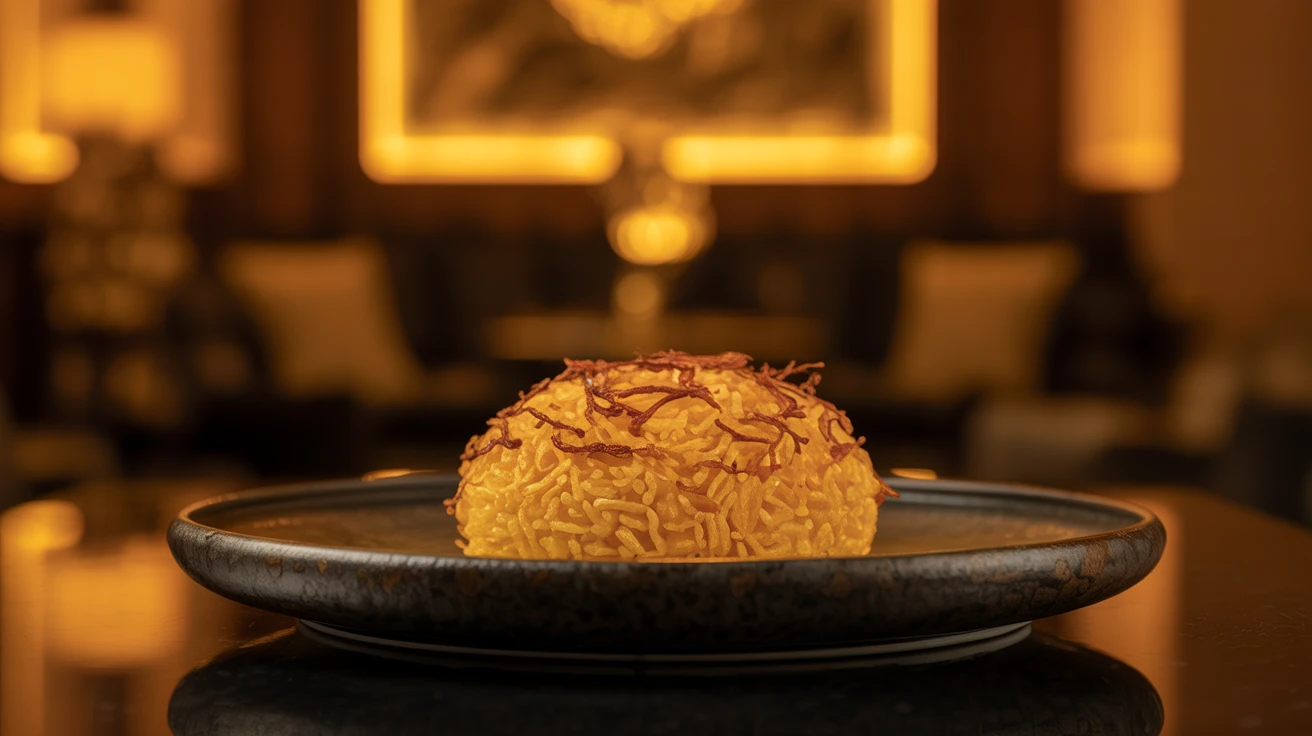
- Gently lift the pot to reveal the golden tahdig crown
Common Mistakes and How to Avoid Them
Mistake #1: Using too much heat
Solution: Patience is key. Low and slow heat prevents burning while allowing the crust to develop properly.
Mistake #2: Not rinsing the rice enough
Solution: Rinse until water runs clear. Excess starch makes rice gummy and prevents proper crust formation.
Mistake #3: Lifting the lid during cooking
Solution: Resist the temptation! Lifting the lid releases steam and disrupts the cooking process.
Mistake #4: Using the wrong pot
Solution: A heavy-bottomed, non-stick pot with a tight-fitting lid is essential for even heat distribution.
Mistake #5: Not using enough fat
Solution: Don't be shy with the oil or butter—it's essential for achieving that golden crust and preventing sticking.
Tahdig Variations and Creative Twists
Once you've mastered the basic technique, try these creative variations:
- Saffron and Barberry Tahdig: Add dried barberries for a tart, jewel-like addition
- Herb Tahdig: Mix chopped fresh herbs (dill, parsley, cilantro) into the bottom layer
- Nut and Dried Fruit Tahdig: Incorporate slivered almonds, pistachios, and dried apricots
- Spiced Tahdig: Add cumin, turmeric, or cardamom to the bottom layer for extra depth
Serving Tahdig: Tradition and Etiquette
In Persian culture, offering tahdig to a guest is a sign of respect and hospitality. Traditionally, the host breaks the tahdig into pieces and serves it alongside the fluffy rice. At family gatherings, there's often playful competition for the crispy pieces.
Tahdig pairs beautifully with:
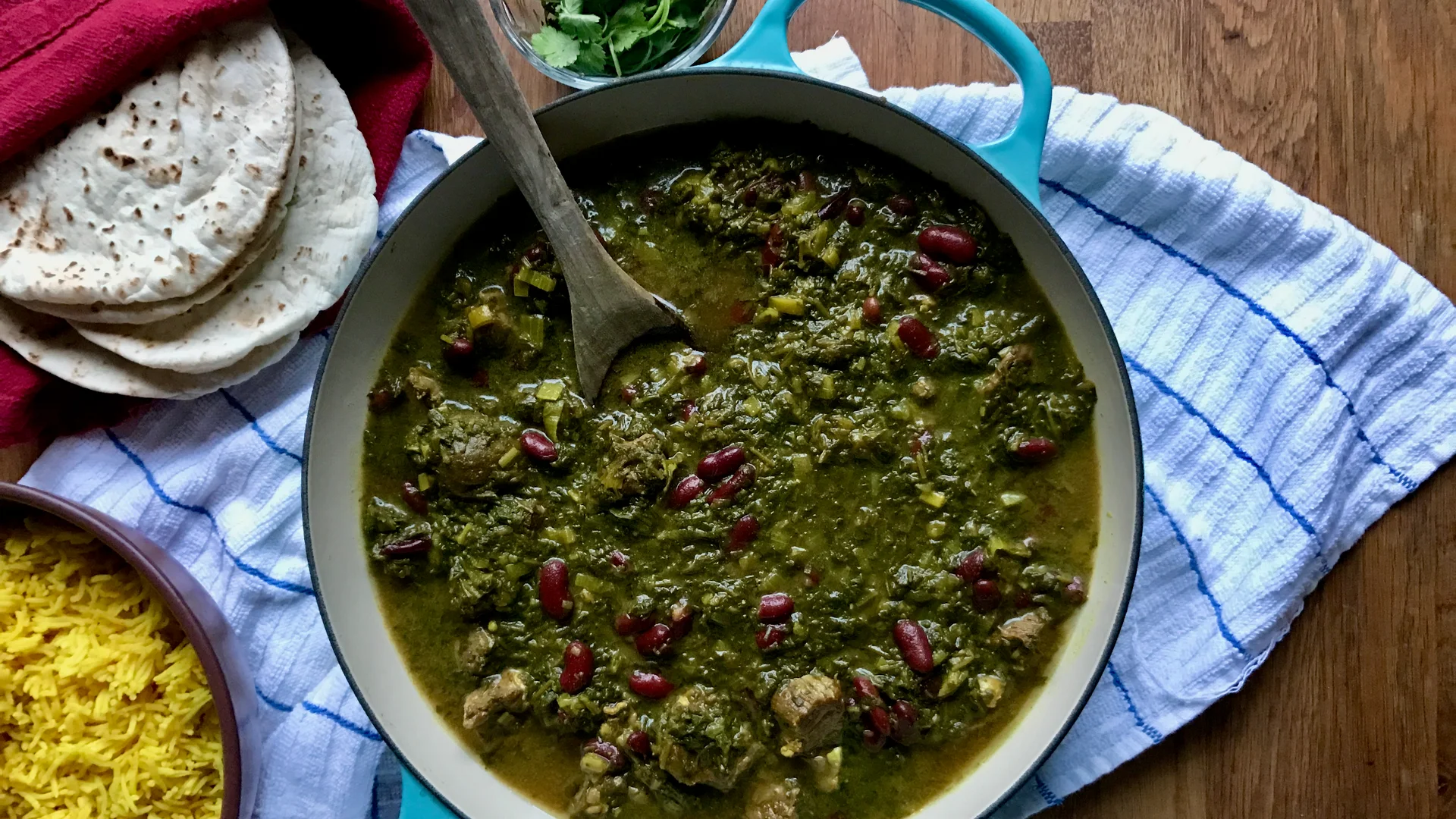
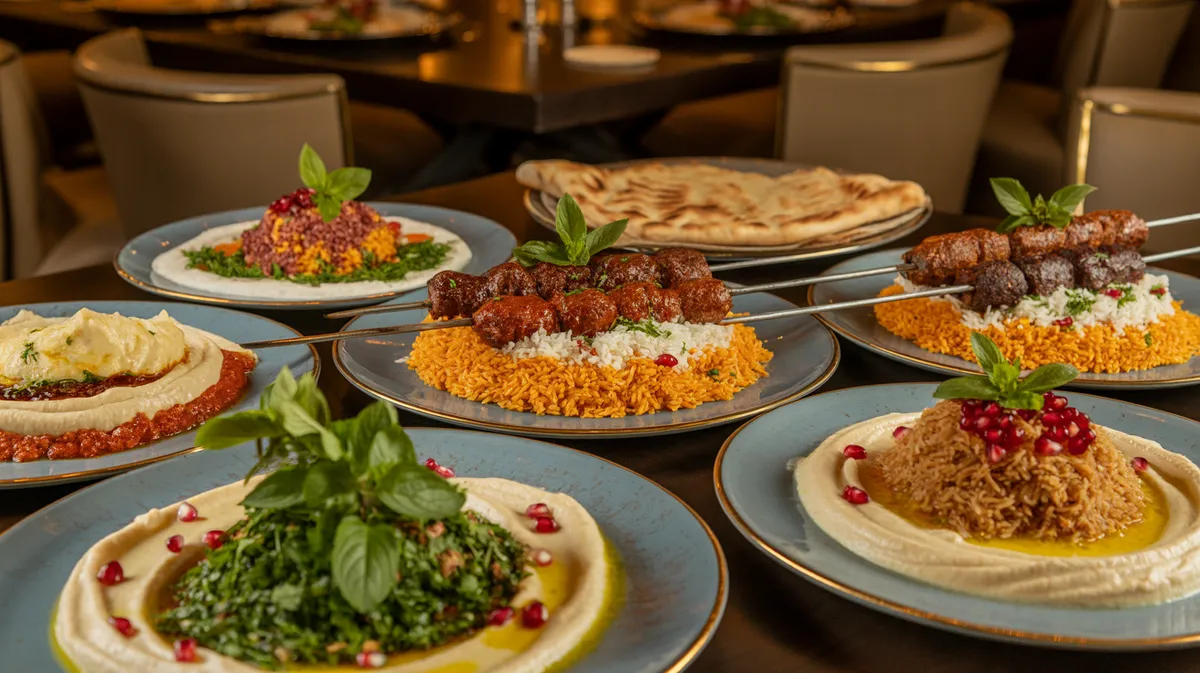
- Persian stews (khoresh) like ghormeh sabzi or fesenjan
- Grilled kebabs and meats
- Yogurt-based side dishes like mast-o-khiar
- Fresh herbs and feta cheese
Experience Authentic Tahdig at Carnys
While making tahdig at home is a rewarding experience, there's nothing quite like enjoying it prepared by skilled chefs who've perfected the technique over years. At Carnys Restaurant, located at 16101 Ventura Boulevard in Encino, we serve authentic Persian rice with perfect tahdig as part of our Mediterranean and Persian menu.
Our chefs use traditional methods passed down through generations, combined with the finest ingredients, to create tahdig that's golden, crispy, and absolutely delicious. Whether you're joining us for a romantic date night, celebrating a special occasion, or simply craving authentic Persian cuisine, our tahdig is a must-try.
The Cultural Significance of Tahdig
Beyond its delicious taste, tahdig represents something deeper in Persian culture. It's a symbol of:
- Patience and Skill: Making perfect tahdig requires time and technique, reflecting the value placed on culinary mastery
- Hospitality: Offering the best pieces to guests demonstrates warmth and generosity
- Family Bonds: The playful competition for tahdig at family meals creates cherished memories
- Cultural Pride: For Persians around the world, tahdig is a connection to their heritage
Tips from Carnys' Chefs
Our experienced chefs at Carnys share their insider tips:
- "Trust your ears": Listen for the gentle sizzle—it should be consistent but not aggressive
- "Quality over speed": Never rush the process. Good tahdig takes time
- "The towel trick": Wrapping the lid in a towel absorbs excess moisture and prevents sogginess
- "Confidence in the flip": When inverting, do it quickly and decisively for the best presentation
- "Practice makes perfect": Don't be discouraged if your first attempts aren't perfect—even experienced cooks sometimes have variations
Pairing Tahdig with Wine and Cocktails
At Carnys, we've carefully curated beverage pairings that complement the nutty, buttery flavors of tahdig:
- White Wines: A crisp Assyrtiko or Vermentino cuts through the richness
- Red Wines: Light-bodied reds like Pinot Noir complement without overwhelming
- Cocktails: Our signature botanical cocktails with hints of saffron and rose echo Persian flavors
- Non-Alcoholic: Traditional Persian tea or our house-made doogh (yogurt drink) are authentic pairings
Join Us for an Authentic Persian Experience
Ready to experience the magic of perfectly prepared tahdig? Visit Carnys Restaurant in Encino and let us transport you to the heart of Persian culinary tradition. Our warm, inviting atmosphere combines the sophistication of a modern lounge with the authenticity of traditional Persian hospitality.
Make your reservation today and discover why tahdig is the crown jewel of Persian cuisine. Whether you're a longtime fan or trying it for the first time, we promise an unforgettable dining experience.
Located on Ventura Boulevard in the heart of Encino, Carnys is your destination for authentic Mediterranean and Persian cuisine, craft cocktails, premium hookah, and live entertainment. Join us for dinner, stay for the experience, and leave with memories of the best tahdig you've ever tasted.
Visit us at 16101 Ventura Boulevard, Encino, CA, or call to make your reservation. Follow us on social media for daily specials, events, and more culinary insights into the dishes we love to share.
Topics
About the Author
Chef Ali Rezaei • Executive Chef & Co-Owner
With over 15 years of Persian and Mediterranean culinary expertise, Chef Ali brings authentic flavors from Tehran to Los Angeles. Trained at Le Cordon Bleu and having worked in Michelin-starred establishments across California, Chef Ali specializes in traditional Persian cooking techniques while adding his own modern twist. His signature dishes include hand-ground koobideh kebabs, slow-cooked ghormeh sabzi, and the restaurant's famous saffron-infused tahdig.
View Full Profile →Experience Carnys Today
Book your table and discover why Carnys is Encino's favorite Mediterranean lounge for unforgettable dining, hookah, and live entertainment.