The Soul of Persian Cooking: Understanding Khoresh
In every Persian household, the aroma of khoresh (خورش) simmering on the stove signals that something special is happening. These slow-cooked stews are the heart and soul of Iranian cuisine - dishes that have been passed down through generations, each family adding their own touch to centuries-old recipes.
At Carnys Restaurant in Encino, we honor this tradition by preparing authentic khoresh using time-tested techniques and the finest ingredients. Whether you're new to Persian cuisine or a longtime fan, understanding khoresh opens the door to appreciating one of the world's most sophisticated culinary traditions.
Khoresh isn't just food - it's a philosophy of cooking that values patience, balance, and the harmonious blending of sweet and sour, rich and light, familiar and exotic. Let's explore this magnificent world together.
What Makes Khoresh Different from Other Stews?
While many cultures have stew traditions, Persian khoresh stands apart in several distinctive ways:
The Sweet-Sour Balance (Torsh-o-Shirin)
Persian cuisine is famous for its masterful balance of flavors, and nowhere is this more evident than in khoresh. Most stews incorporate both sweet and sour elements - pomegranate molasses and sugar, dried limes and prunes, or tamarind and honey. This creates a complex flavor profile that's simultaneously comforting and exciting.
Long, Slow Cooking
Traditional khoresh requires hours of gentle simmering. This isn't rushed cooking - it's a meditation. The slow process allows flavors to meld, meat to become fall-apart tender, and the sauce to develop a rich, concentrated character that can't be achieved any other way.
Served Over Rice, Never Mixed
Unlike many stews that are served in bowls, khoresh is always ladled over a bed of fluffy basmati rice (preferably with crispy tahdig on the side). The rice absorbs the flavorful sauce while maintaining its distinct texture - a perfect marriage of components.
Herb-Forward Cooking
Many Persian stews use fresh herbs not as garnish but as primary ingredients. Pounds of parsley, cilantro, and fenugreek might go into a single pot of ghormeh sabzi. This herb-centric approach creates depth and complexity rarely found in Western cooking.
Unique Ingredients
Persian stews often feature ingredients unfamiliar to Western palates: dried Persian limes (limoo omani), pomegranate molasses, ground walnuts as a thickener, barberries, and saffron. These ingredients create flavor profiles that are distinctly Iranian.
The Essential Khoresh You Must Try
1. Ghormeh Sabzi - The National Dish
Pronunciation: gor-MEH sab-ZEE
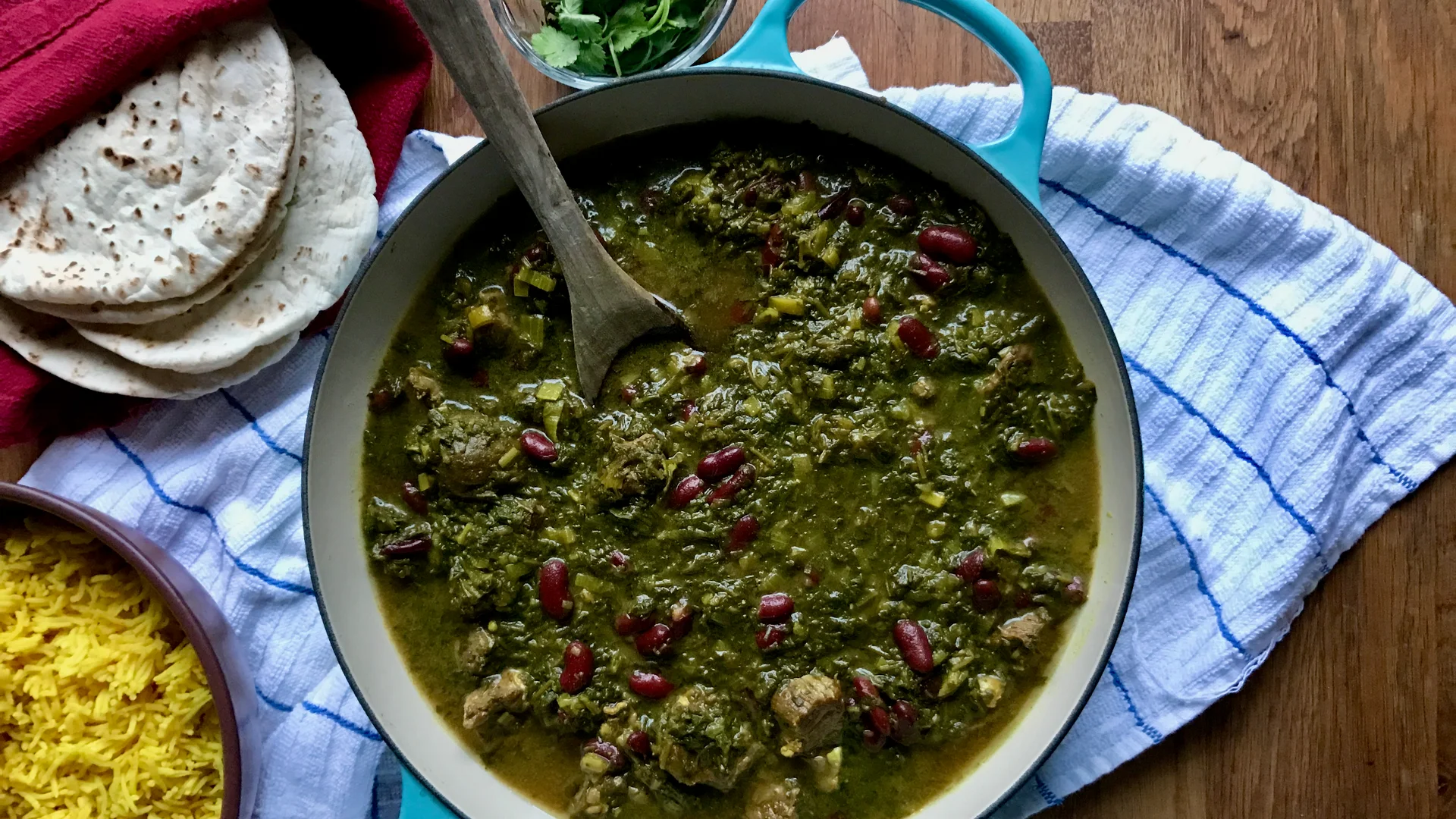
If Iran has a national dish, ghormeh sabzi is it. This herb stew is so beloved that Iranians living abroad often cite it as the food they miss most. The name translates to "fried herbs," and that's exactly what it is - a magnificent combination of parsley, cilantro, fenugreek, and green onions, slowly cooked with lamb or beef, kidney beans, and dried Persian limes.
Key Ingredients:
- Fresh herbs (parsley, cilantro, fenugreek) - about 2 pounds!
- Lamb or beef chunks
- Kidney beans
- Dried Persian limes (limoo omani)
- Onions and turmeric
Flavor Profile: Deeply herbaceous with a tangy, slightly bitter note from the dried limes. The long cooking transforms the fresh herbs into a dark, concentrated sauce that's unlike anything else in world cuisine.
Chef's Note: At Carnys, we prepare ghormeh sabzi the traditional way - frying the herbs separately before adding them to the stew. This crucial step develops the complex, slightly bitter flavor that makes this dish so addictive. Many restaurants skip this step, but we never do.
Best For: Adventurous eaters who love bold, herbaceous flavors. This is not a mild dish - it's intensely flavored and deeply satisfying.
2. Fesenjan (Fesenjoon) - The Aristocrat
Pronunciation: feh-sen-JAHN
Fesenjan is Persian cuisine at its most elegant. This luxurious stew combines chicken or duck with a sauce made from ground walnuts and pomegranate molasses, creating a dish that's simultaneously rich, tangy, and slightly sweet. It's often served at weddings and special occasions.
Key Ingredients:
- Ground walnuts (lots of them - 2-3 cups)
- Pomegranate molasses
- Chicken thighs or duck
- Onions
- Sugar or honey for balance
- Saffron (optional but traditional)
Flavor Profile: Rich and nutty from the walnuts, with a beautiful sweet-tart balance from the pomegranate. The sauce is thick, almost gravy-like, with a deep mahogany color. It's sophisticated and complex - the kind of dish that makes you pause between bites to appreciate the layers of flavor.
Regional Variations: Northern Iranian versions (from Gilan province) tend to be more sour, while southern versions are sweeter. Some cooks add ground cinnamon or cardamom for extra warmth.
Best For: Special occasions and anyone who loves the combination of sweet and savory. This is an impressive dish that shows the sophistication of Persian cuisine.
3. Gheymeh - The Comfort Classic
Pronunciation: gay-MEH
Gheymeh is Persian comfort food at its finest - a tomato-based stew with split peas, lamb or beef, and dried limes, topped with crispy fried potato sticks. It's the dish Persian mothers make when their children come home from college.
Key Ingredients:
- Lamb or beef, cut into small cubes
- Yellow split peas
- Tomato paste
- Dried Persian limes
- Onions and turmeric
- Crispy fried potato sticks (for topping)
Flavor Profile: Savory and slightly tangy, with the split peas adding a creamy texture to the tomato-based sauce. The dried limes provide a subtle citrus note that brightens the rich stew. The crispy potato topping adds textural contrast.
Variations: Gheymeh bademjan includes fried eggplant pieces, while gheymeh nesar (a fancier version) is topped with slivered almonds, pistachios, and barberries.
Best For: First-timers to Persian cuisine. The tomato base makes it familiar to Western palates, while the unique spicing and dried limes introduce new flavors gently.
4. Khoresht-e Bademjan - Eggplant Stew
Pronunciation: kho-RESHT-eh bah-dem-JAHN
This is the stew for eggplant lovers. Chunks of fried eggplant are simmered with beef or lamb in a tomato-based sauce flavored with dried limes and sometimes a touch of pomegranate molasses or verjuice (unripe grape juice).
Key Ingredients:
- Persian eggplants (smaller and less bitter than globe eggplants)
- Beef or lamb
- Tomato paste
- Dried limes
- Onions and turmeric
- Optional: pomegranate molasses or verjuice
Flavor Profile: The eggplant becomes silky and almost melts into the sauce, adding a subtle sweetness and creamy texture. The tomato provides acidity, while the dried limes add complexity.
Chef's Tip: The eggplant must be fried before adding to the stew. This prevents it from becoming mushy and adds a depth of flavor that raw eggplant can't provide.
Best For: Vegetable lovers and anyone who appreciates the unique texture of properly cooked eggplant.
5. Khoresht-e Karafs - Celery Stew
Pronunciation: kho-RESHT-eh kah-RAFS
Don't let the name fool you - this isn't a bland celery soup. Persian celery stew combines celery, parsley, and mint with lamb or beef, creating a fresh, herbaceous dish that's lighter than many other khoresh.
Key Ingredients:
- Celery (lots of it - both stalks and leaves)
- Fresh parsley and mint
- Lamb or beef
- Onions
- Lime juice or dried limes
Flavor Profile: Fresh and green-tasting, with the celery providing a subtle sweetness and the herbs adding brightness. It's one of the lighter khoresh, making it perfect for spring and summer.
Best For: Those who want to explore beyond the most famous stews and appreciate fresh, herbaceous flavors.
6. Khoresht-e Alu - Prune Stew
Pronunciation: kho-RESHT-eh ah-LOO
This sweet-and-sour stew combines meat with prunes (or sometimes fresh plums), creating a dish that perfectly exemplifies Persian cuisine's love of fruit in savory dishes.
Key Ingredients:
- Prunes or fresh plums
- Beef or lamb
- Onions
- Tomato paste
- Cinnamon and saffron
- Lime juice or verjuice
Flavor Profile: The prunes break down during cooking, creating a thick, sweet sauce that's balanced by lime juice or verjuice. The cinnamon adds warmth, making this a popular winter dish.
Best For: Anyone who enjoys the combination of meat and fruit (think Moroccan tagines or European pork with apples).
The Art of Making Khoresh: Essential Techniques
Building Layers of Flavor
Great khoresh isn't made by throwing everything in a pot. It's built in layers:
- Sauté the onions: Always start with onions cooked until golden. This creates the flavor foundation.
- Brown the meat: Searing develops deep, caramelized flavors.
- Add spices: Turmeric is almost always used, often with cinnamon, saffron, or other warm spices.
- Incorporate the main ingredients: Herbs, vegetables, or fruits are added at specific times based on their cooking requirements.
- Simmer slowly: Low and slow is the only way. Rushing ruins khoresh.
- Adjust seasoning: The final sweet-sour balance is adjusted at the end with lime juice, pomegranate molasses, or sugar.
The Importance of Dried Persian Limes
Limoo omani (dried Persian limes) are essential to many khoresh. These small, black limes have been dried in the sun until hard, developing an intensely concentrated citrus flavor with earthy, slightly fermented notes. They're pierced or crushed before adding to stews, where they infuse the sauce with their unique taste.
You can find them at Middle Eastern markets or online. There's no perfect substitute, but a combination of fresh lime zest and juice can approximate the flavor in a pinch.
Timing is Everything
Different ingredients require different cooking times:
- Meat: Needs 1.5-2 hours to become tender
- Dried limes: Added early to infuse their flavor throughout
- Legumes: Split peas or beans go in early
- Fried vegetables: Eggplant or potatoes are fried separately, then added near the end
- Delicate herbs: Some herbs are added in the last 30 minutes to preserve their color and flavor
- Final adjustments: Sweet-sour balance is perfected in the last 10 minutes
Serving Khoresh the Traditional Way
The Rice Matters
Khoresh is always served over Persian rice - long-grain basmati that's been parboiled, then steamed until fluffy and separate. The rice should be buttery and aromatic, often flavored with saffron.
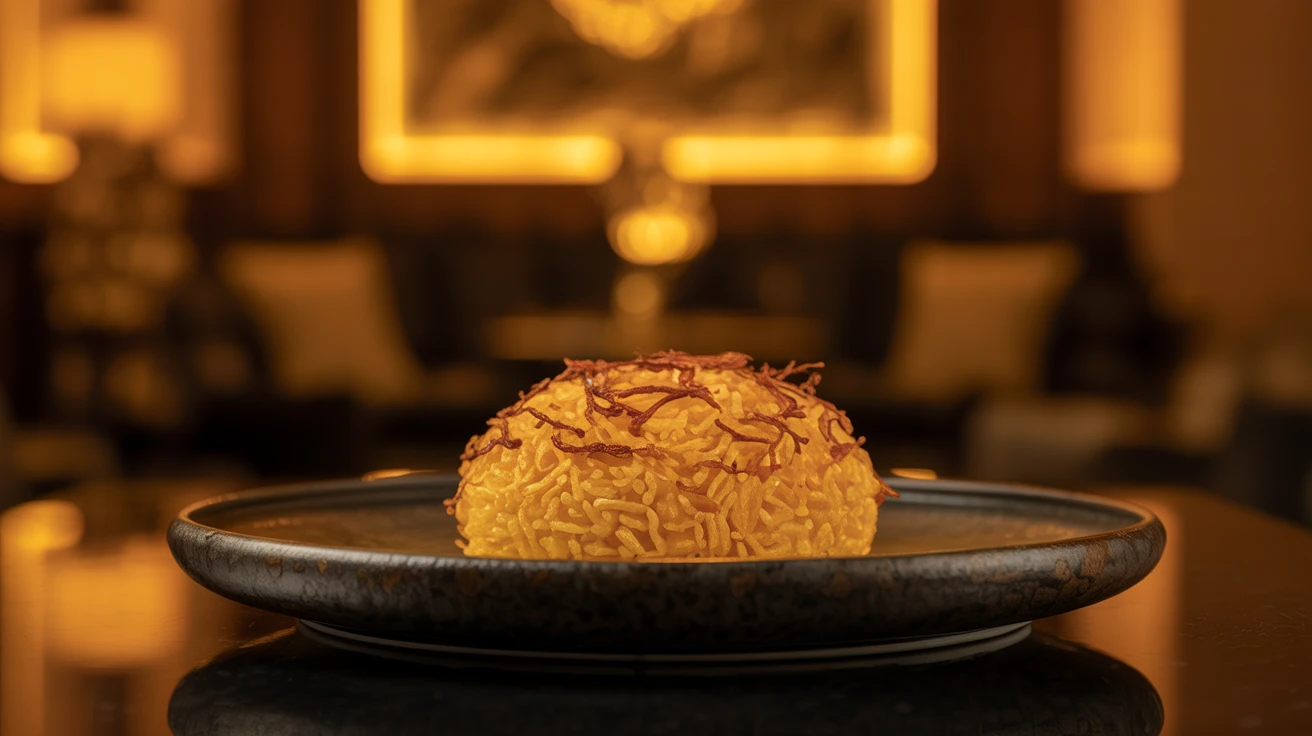
The ultimate accompaniment is tahdig - the crispy, golden rice crust from the bottom of the pot. At Carnys, we serve a piece of tahdig with every khoresh order because it's simply not complete without it.
Traditional Accompaniments
A proper Persian meal includes several components:
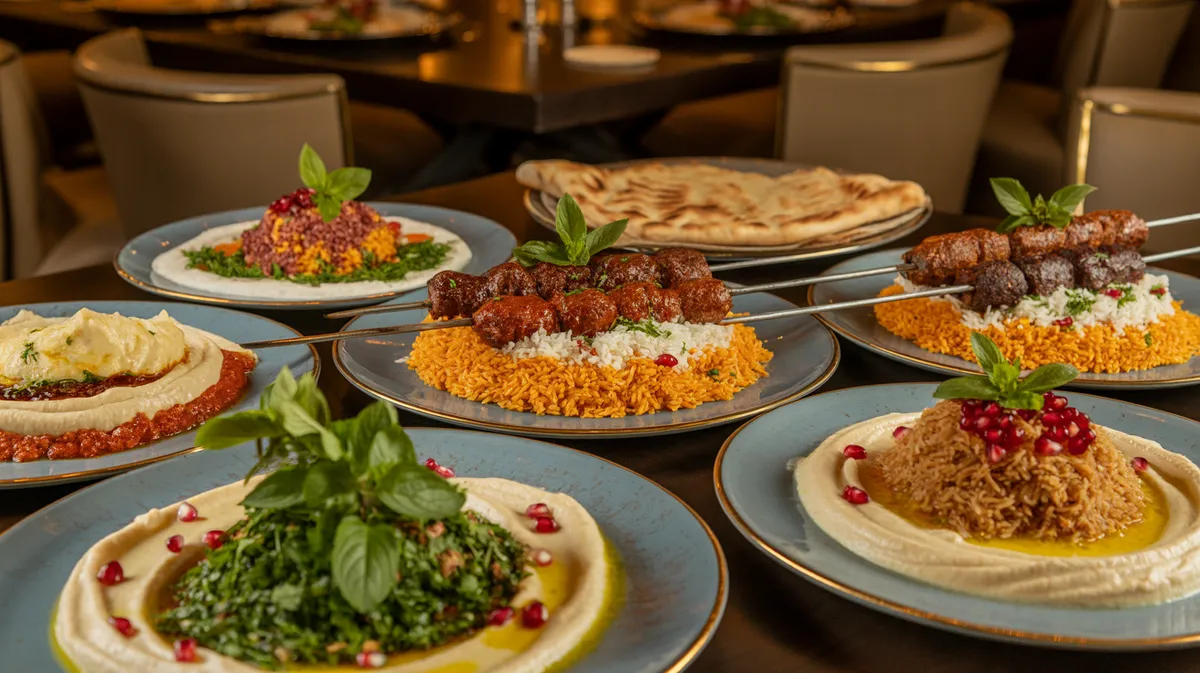
- Sabzi Khordan: A plate of fresh herbs (basil, mint, tarragon, radishes, green onions)
- Torshi: Pickled vegetables
- Mast-o-Khiar: Yogurt with cucumber and dried mint
- Lavash or Sangak: Fresh Persian bread
- Salad Shirazi: Diced cucumber, tomato, and onion with lime juice
The Ritual of Eating
Iranians don't rush through khoresh. The meal is a social event - family and friends gather around the sofreh (traditional dining spread), sharing food and conversation. Each person gets a plate of rice with khoresh ladled over it, plus small portions of the accompaniments.
The proper technique is to take a bit of rice, khoresh, and herbs in each bite, creating a perfect balance of flavors and textures.
Making Khoresh at Home: Tips for Success
Essential Equipment
- Heavy-bottomed pot: Prevents scorching during long cooking
- Sharp knife: For processing large quantities of herbs
- Food processor: Makes herb prep much faster
- Mortar and pestle: For grinding saffron
Ingredient Sourcing
Most ingredients for khoresh can be found at Middle Eastern or Persian markets:
- Dried Persian limes (limoo omani)
- Pomegranate molasses
- Persian fenugreek (shanbalileh)
- High-quality saffron
- Verjuice (ab-ghooreh)
Many items are also available online from specialty retailers.
Time-Saving Tips
- Prep herbs in advance: Wash, dry, and chop herbs up to 2 days ahead
- Use a pressure cooker: Reduces cooking time from 2 hours to 45 minutes (though purists say slow cooking is better)
- Make large batches: Khoresh freezes beautifully for up to 3 months
- Brown meat in batches: Don't overcrowd the pan or it will steam instead of sear
Common Mistakes to Avoid
- Rushing the cooking: Khoresh needs time. There's no shortcut to properly developed flavors.
- Skipping the browning: Searing meat and vegetables adds essential depth.
- Using dried herbs: Fresh herbs are non-negotiable for most khoresh.
- Wrong rice: Use long-grain basmati, not short-grain or jasmine rice.
- Ignoring the sweet-sour balance: Taste and adjust at the end - this is crucial.
Regional Variations Across Iran
Iran is a large, diverse country, and khoresh recipes vary by region:
Northern Iran (Gilan and Mazandaran)
Coastal regions favor more sour flavors and use pomegranate products extensively. Fesenjan from this area is notably more tart. They also use more fish and incorporate local herbs like garlic chives.
Southern Iran (Persian Gulf Region)
Southern cooking is spicier and uses more tamarind. Stews often include dates and are sweeter overall. Seafood khoresh is more common here.
Central Iran (Isfahan, Tehran)
This is considered the "classical" Persian cuisine - balanced, refined, and moderate in spicing. Most restaurant versions of khoresh follow central Iranian traditions.
Western Iran (Kurdistan, Kermanshah)
Kurdish-influenced stews use more tomatoes and peppers. The flavors are bolder and less sweet than central Iranian versions.
Khoresh Through the Seasons
Spring
Light, herb-forward stews like khoresht-e karafs (celery) or khoresht-e baghali (fava bean and dill) celebrate fresh spring produce.
Summer
Khoresht-e alu (with fresh plums instead of dried prunes) and lighter versions of gheymeh are popular when it's hot.
Fall
Heartier stews like fesenjan and khoresht-e beh (quince stew) appear as the weather cools.
Winter
Rich, warming stews like ghormeh sabzi and khoresht-e alu (with prunes) provide comfort during cold months.
The Health Benefits of Khoresh
Traditional Persian stews are remarkably healthy:
- Herb-rich: Dishes like ghormeh sabzi contain pounds of fresh herbs, providing vitamins, minerals, and antioxidants
- Lean protein: Most use lean cuts of lamb or beef
- Legumes: Many include beans or split peas for fiber and plant protein
- Minimal added fat: The cooking method doesn't require much oil
- Whole foods: No processed ingredients - just meat, vegetables, herbs, and spices
- Anti-inflammatory spices: Turmeric, cinnamon, and other spices have proven health benefits
Experience Authentic Khoresh at Carnys
At Carnys Restaurant in Encino, we prepare traditional khoresh using recipes passed down through generations. Our chefs start each batch early in the morning, allowing hours of slow simmering to develop the complex flavors that make these stews so special.
We source authentic ingredients - real Persian dried limes, high-quality saffron, and fresh herbs delivered daily. Our ghormeh sabzi uses over two pounds of fresh herbs per batch, and our fesenjan is made with premium walnuts and pure pomegranate molasses.
Each khoresh is served over our signature saffron basmati rice with a piece of crispy tahdig, accompanied by fresh herbs, pickles, and yogurt - exactly as it would be served in an Iranian home.
Visit us at 16101 Ventura Boulevard to experience the soul-warming comfort of authentic Persian khoresh. Whether you're a longtime fan or trying it for the first time, we'll guide you through the menu and help you discover your new favorite dish.
Frequently Asked Questions
Can khoresh be made vegetarian?
Absolutely! Many khoresh work beautifully without meat. Ghormeh sabzi can be made with just beans, khoresht-e bademjan is delicious with only eggplant, and fesenjan can be prepared with mushrooms or butternut squash instead of chicken. The key is to use good vegetable stock and not rush the cooking process.
How long does khoresh keep?
Refrigerated khoresh keeps for 4-5 days and actually tastes better the next day as flavors continue to meld. It also freezes excellently for up to 3 months. Thaw overnight in the refrigerator and reheat gently on the stovetop.
What's the difference between khoresh and khoresht?
They're the same thing - just different transliterations of the Persian word خورش. You might also see it spelled "khoresh," "khoresht," or "xoresht." They all refer to Persian stews.
Why is my khoresh watery?
This usually happens from not cooking long enough. Khoresh should simmer uncovered (or partially covered) for the last 30-45 minutes to allow excess liquid to evaporate and the sauce to thicken. Also, make sure to squeeze excess liquid from herbs before adding them.
Can I use a slow cooker?
Yes, but with modifications. Brown the meat and sauté the onions first on the stovetop, then transfer everything to the slow cooker. Cook on low for 6-8 hours. The texture will be slightly different from stovetop cooking, but it's a convenient option.
What wine pairs with khoresh?
The sweet-sour profile of many khoresh pairs beautifully with off-dry Riesling or Gewürztraminer. For richer stews like fesenjan, try a Pinot Noir or Syrah. At Carnys, our sommelier can recommend the perfect pairing for your chosen dish.
Start Your Khoresh Journey Today
Persian stews represent some of the most sophisticated and flavorful cooking in the world. Whether you're making them at home or experiencing them at Carnys, khoresh offers a window into Iranian culture, history, and the art of patient, thoughtful cooking.
Start with gheymeh if you're new to Persian food, graduate to ghormeh sabzi when you're ready for bold flavors, and celebrate special occasions with elegant fesenjan. Each khoresh tells a story and carries the warmth of Persian hospitality.
Ready to experience authentic Persian khoresh? Make a reservation at Carnys Restaurant in Encino today. Call us at (818) 990-4000 or book online. We're located at 16101 Ventura Boulevard, and we can't wait to share these incredible flavors with you.
Topics
About the Author
Chef Ali Rezaei • Executive Chef & Co-Owner
With over 15 years of Persian and Mediterranean culinary expertise, Chef Ali brings authentic flavors from Tehran to Los Angeles. Trained at Le Cordon Bleu and having worked in Michelin-starred establishments across California, Chef Ali specializes in traditional Persian cooking techniques while adding his own modern twist. His signature dishes include hand-ground koobideh kebabs, slow-cooked ghormeh sabzi, and the restaurant's famous saffron-infused tahdig.
View Full Profile →Experience Carnys Today
Book your table and discover why Carnys is Encino's favorite Mediterranean lounge for unforgettable dining, hookah, and live entertainment.