Understanding the rich history behind Mediterranean and Persian cuisine isn't just an academic exercise—it's the key to appreciating why these flavors continue to captivate diners in the San Fernando Valley and beyond. From the spice-laden caravans of the Silk Road to the bustling bazaars of ancient Damascus and Isfahan, the culinary traditions we enjoy today at Encino restaurants like Carnys are the result of thousands of years of cultural fusion, innovation, and preservation.
This deep dive into culinary history reveals how ancient trade routes, royal courts, and everyday merchants created the foundation for the Mediterranean and Persian dishes that have become staples of modern dining. Whether you're savoring a perfectly grilled kebab or enjoying the complex layers of a traditional stew, you're participating in a gastronomic tradition that predates most of recorded history.
## The Ancient Origins: Where Mediterranean Meets Persian Culinary TraditionsThe story of Mediterranean and Persian cuisine begins over 2,500 years ago, when the Achaemenid Empire stretched from the Mediterranean Sea to the Indus Valley. This vast Persian Empire, founded by Cyrus the Great in 550 BCE, created the world's first true "melting pot" of culinary traditions. The royal courts of Persepolis and Susa became legendary for their elaborate feasts, where ingredients from across the empire were combined in innovative ways that would influence cooking for millennia to come.
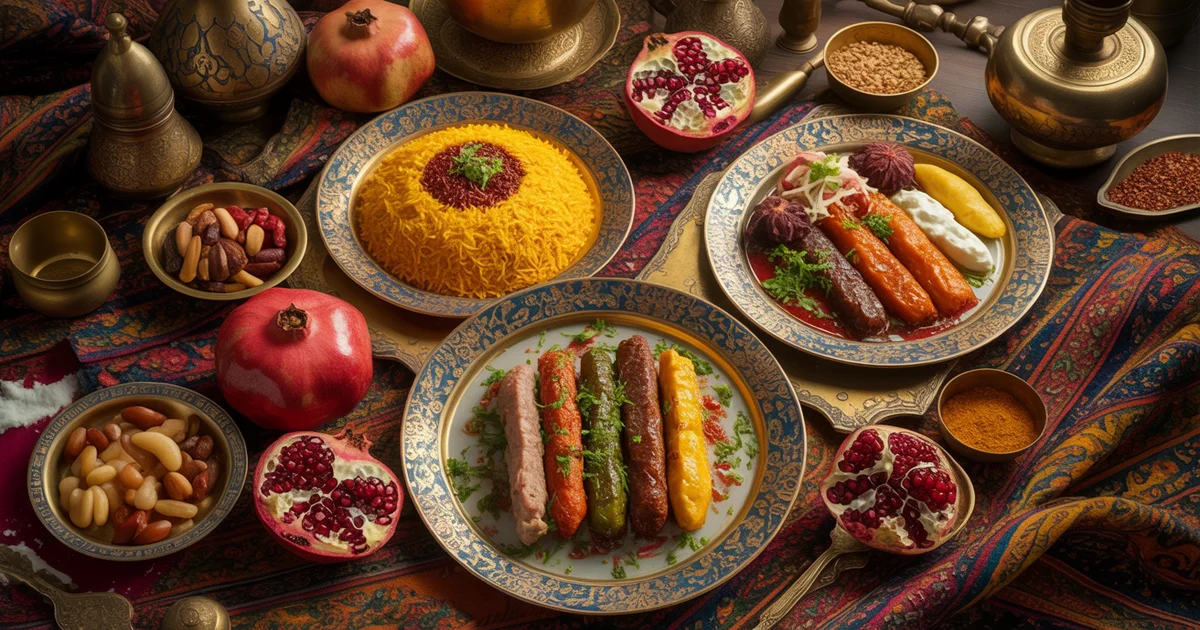
Ancient Persian cuisine was remarkably sophisticated, featuring techniques and flavor combinations that remain relevant today. Historical texts describe elaborate dishes combining meat with fruits like pomegranates and quinces, the use of nuts for texture and richness, and the careful balance of sweet and sour flavors that defines Persian cooking. These weren't just meals—they were expressions of cultural identity and imperial power.
The Role of Ancient Trade in Culinary Development
The Mediterranean basin and Persian plateau became interconnected through extensive trade networks long before the famous Silk Road reached its peak. Phoenician traders carried olive oil, wine, and preserved fish across the Mediterranean, while Persian merchants brought saffron, pistachios, and exotic spices westward. This exchange wasn't merely commercial—it was a cultural dialogue conducted through food.
Archaeological evidence from ancient port cities like Tyre, Sidon, and later Alexandria reveals the extent of this culinary exchange. Amphorae containing olive oil from Greece have been found in Persian archaeological sites, while Persian spices and dried fruits appear in Mediterranean settlements. Each trade route became a conduit for culinary innovation, with recipes and techniques traveling alongside goods.
## The Silk Road: History's Greatest Culinary HighwayNo discussion of Mediterranean and Persian food history would be complete without exploring the Silk Road—the network of trade routes that connected East and West for over 1,500 years. While famous for silk, porcelain, and precious metals, the Silk Road's most lasting impact may have been culinary. Spices, cooking techniques, and food preservation methods traveled these routes, fundamentally transforming how people ate across three continents.
The Silk Road wasn't a single path but a complex web of routes passing through Persia, connecting Mediterranean ports with Central Asian oases and Chinese markets. Persian cities like Isfahan, Shiraz, and Tabriz became crucial waypoints where merchants, travelers, and pilgrims exchanged not just goods but recipes, cooking methods, and agricultural knowledge.
Spices That Changed the World
The spice trade along the Silk Road revolutionized cooking across the ancient world. Saffron, cultivated in Persia since ancient times, became one of the most valuable commodities, worth more than gold by weight. This precious spice, still featured prominently in dishes at Carnys and other Persian restaurants in Encino, was prized not just for its distinctive flavor and golden color but for its perceived medicinal properties.
- Cumin and Coriander: These foundational spices traveled from the Mediterranean eastward and from Persia westward, becoming essential to both culinary traditions
- Cardamom: Originally from India, this aromatic spice became integral to Persian cooking, used in everything from rice dishes to desserts
- Sumac: A distinctly Middle Eastern spice that adds tangy, lemony notes to dishes, predating the widespread use of citrus in cooking
- Black Pepper: Once so valuable it was used as currency, this spice from India transformed Mediterranean and Persian cooking
- Cinnamon: Traveled from Southeast Asia through Persian and Arab traders, becoming essential to both sweet and savory dishes
These spices didn't just add flavor—they represented wealth, sophistication, and connection to distant lands. A meal featuring multiple spices was a statement of status and cosmopolitan taste, a tradition that continues in the carefully spiced dishes served at Mediterranean restaurants throughout the San Fernando Valley.
## The Islamic Golden Age: Culinary Innovation and DocumentationThe Islamic Golden Age (8th to 14th centuries CE) marked a revolutionary period for Mediterranean and Persian cuisine. This era saw the first comprehensive cookbooks, the refinement of cooking techniques, and the systematic documentation of recipes that had previously been passed down orally. The courts of Baghdad, Damascus, and Cairo became centers of culinary excellence, where chefs competed to create increasingly sophisticated dishes.
The earliest surviving Arabic cookbook, "Kitab al-Tabikh" (The Book of Dishes), compiled in 10th-century Baghdad, reveals the sophistication of medieval Islamic cuisine. The book contains over 600 recipes, many showing clear Persian influences alongside Mediterranean ingredients and techniques. Dishes featured complex spice blends, the innovative use of nuts and dried fruits in savory dishes, and cooking methods that required considerable skill and patience.
Persian Influence on Medieval Mediterranean Cooking
Persian culinary traditions profoundly influenced medieval Mediterranean cooking, particularly in Al-Andalus (Islamic Spain) and Sicily. Persian techniques for preparing rice, the use of rosewater and orange blossom water in desserts, and the concept of combining meat with fruit in savory dishes all spread westward during this period. These influences remain visible in modern Spanish, Italian, and North African cuisines.
The Persian practice of creating elaborate rice dishes—the ancestors of modern pilaf, paella, and risotto—revolutionized Mediterranean cooking. Before Persian influence, rice was relatively uncommon in Mediterranean cuisine. Persian cooks introduced not just the grain but sophisticated preparation methods, including the technique for creating tahdig, the prized crispy rice crust that remains a hallmark of Persian cooking at restaurants like Carnys in Encino.
## The Ottoman Empire: Fusion and RefinementThe Ottoman Empire (1299-1922) represented another crucial chapter in Mediterranean and Persian culinary history. Spanning three continents and incorporating diverse populations, the Ottoman court cuisine synthesized Persian, Arab, Mediterranean, and Central Asian influences into a distinctive culinary tradition that continues to influence modern Turkish, Greek, and Middle Eastern cooking.
The Topkapi Palace kitchens in Istanbul employed over 1,000 cooks at their peak, creating dishes that combined the best elements of the empire's diverse culinary traditions. Persian-style stews, Mediterranean grilled meats, Arab spice blends, and Balkan dairy products all found their place in Ottoman cuisine. This fusion created many dishes that remain popular today, from kebabs and dolmas to baklava and Turkish delight.
The Coffeehouse Culture and Social Dining
The Ottoman Empire also pioneered the coffeehouse culture that would spread throughout Europe and eventually influence modern dining establishments. These social spaces, where people gathered to drink coffee, smoke hookah, and enjoy light meals, created a template for the kind of communal dining experience offered at venues like Carnys. The tradition of combining food, beverages, music, and conversation in a welcoming atmosphere has deep historical roots in Ottoman culture.
## Key Ingredients: A Historical PerspectiveUnderstanding the history of Mediterranean and Persian cuisine requires examining the ingredients that define these culinary traditions. Many foods we consider essential to these cuisines have fascinating historical journeys of their own.
Olive Oil: Liquid Gold of the Mediterranean
Olive cultivation dates back at least 6,000 years in the Mediterranean basin. Ancient Greeks and Romans considered olive oil essential not just for cooking but for religious rituals, medicine, and cosmetics. The olive tree became a symbol of peace, prosperity, and civilization itself. Today, high-quality olive oil remains fundamental to Mediterranean cooking, used in everything from simple salads to complex stews.
Pomegranates: The Persian Jewel
Pomegranates have been cultivated in Persia for over 4,000 years and hold deep cultural and religious significance. In Persian cuisine, pomegranate molasses adds a distinctive sweet-tart flavor to stews and marinades. The fruit appears in ancient Persian poetry and art, symbolizing fertility, abundance, and eternal life. This ancient ingredient continues to feature prominently in modern Persian dishes served at Encino restaurants.
Yogurt: Ancient Preservation Technique
Yogurt, believed to have originated in Mesopotamia or Central Asia around 5,000 BCE, became essential to both Mediterranean and Persian cuisines. This fermented dairy product served as a preservation method before refrigeration, a protein source, a cooking ingredient, and a refreshing beverage. The Persian drink doogh (yogurt mixed with water and mint) and Greek tzatziki both showcase yogurt's versatility and ancient origins.
Saffron: The Royal Spice
Saffron cultivation in Persia dates back over 3,000 years, making it one of the world's oldest spices. Ancient Persian kings prized saffron for its color, flavor, and supposed medicinal properties. The labor-intensive harvesting process—each flower produces only three stigmas, and thousands of flowers are needed for a single ounce of saffron—made it incredibly valuable. Today, Iranian saffron remains the world's finest, and its distinctive flavor and golden color enhance rice dishes, stews, and desserts at Persian restaurants throughout the San Fernando Valley.
## Cooking Techniques Across MillenniaThe cooking techniques used in Mediterranean and Persian cuisine today have ancient origins, refined over thousands of years of practice and innovation.
Slow Cooking and Stewing
The Persian tradition of slow-cooked stews (khoresh) dates back to ancient times when cooking over low heat allowed tough cuts of meat to become tender while developing complex flavors. This technique, requiring patience and skill, produces dishes like ghormeh sabzi and fesenjan that showcase the depth and sophistication of Persian cooking. The long cooking times allow spices, herbs, and other ingredients to meld into harmonious, layered flavors.
Grilling and Kebabs
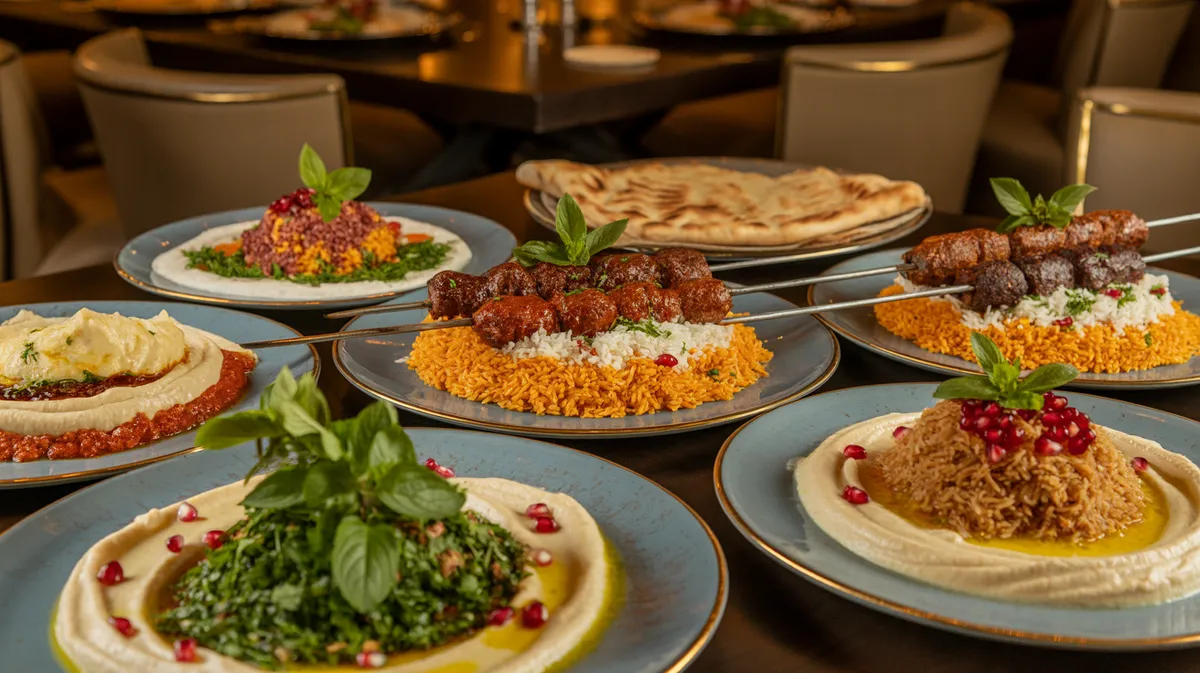
The tradition of grilling meat on skewers likely originated with nomadic peoples of Central Asia and Persia, who needed portable, efficient cooking methods. The word "kebab" itself comes from Persian, and the technique spread throughout the Mediterranean and Middle East. Different regions developed their own variations, but the fundamental principle—seasoning meat and cooking it quickly over high heat—remains unchanged from ancient times.
Bread Making
Bread has been central to Mediterranean and Persian diets for millennia. Ancient Persians developed various flatbreads, including ancestors of modern lavash and sangak. Mediterranean cultures created their own bread traditions, from Greek pita to Italian focaccia. The communal clay ovens (tandoors) used in Persian bread-making date back thousands of years and are still used today to create authentic breads with distinctive textures and flavors.
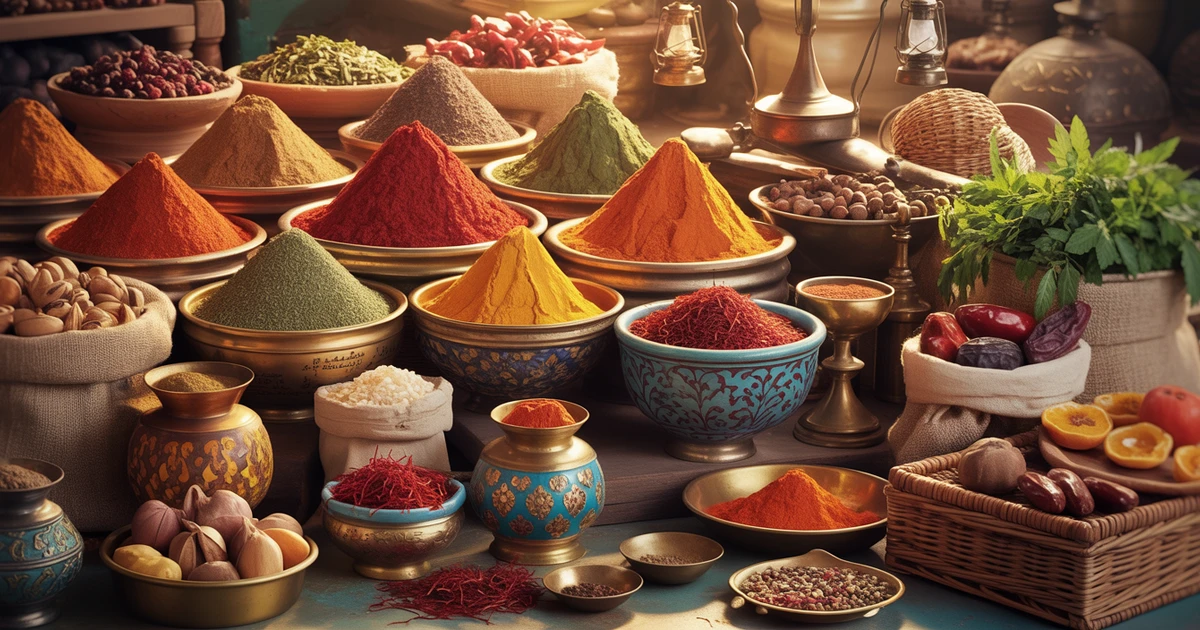
## The Spice Bazaar: Historical Markets and Modern DiningThe traditional spice bazaars of cities like Istanbul, Damascus, and Isfahan weren't just marketplaces—they were cultural institutions where culinary knowledge was exchanged, recipes were shared, and food trends emerged. These vibrant markets, with their colorful displays of spices, dried fruits, nuts, and herbs, represented the culmination of centuries of trade and cultural exchange.
Walking through a traditional spice bazaar is like stepping into living history. The same spices that traveled the Silk Road centuries ago—saffron, cardamom, sumac, za'atar—are still sold in similar ways, measured out by hand and wrapped in paper. The merchants often possess generations of knowledge about spice combinations, cooking techniques, and traditional recipes.
Modern Mediterranean and Persian restaurants like Carnys in Encino carry on this tradition, sourcing authentic spices and ingredients to recreate the flavors that have captivated diners for millennia. The commitment to authenticity—using real saffron, high-quality olive oil, and traditional spice blends—connects contemporary diners to this rich culinary heritage.
## From Ancient Courts to Modern Tables: The Evolution ContinuesThe journey of Mediterranean and Persian cuisine from ancient royal courts to modern restaurants represents both continuity and evolution. While core ingredients, techniques, and flavor profiles remain remarkably consistent, each generation adds its own innovations and adaptations.
Immigration and Culinary Preservation
The 20th and 21st centuries saw significant immigration from Mediterranean and Middle Eastern countries to the United States, including the San Fernando Valley. These immigrant communities brought their culinary traditions with them, opening restaurants that introduced American diners to authentic Mediterranean and Persian flavors. Places like Carnys in Encino serve as cultural ambassadors, preserving traditional recipes while adapting to local tastes and ingredients.
The Modern Revival of Ancient Ingredients
Contemporary food culture has seen a revival of interest in ancient ingredients and traditional cooking methods. Ingredients like pomegranate molasses, sumac, and za'atar, once difficult to find outside specialty markets, are now increasingly available and popular. This renewed interest reflects a broader appreciation for authentic, historically-grounded cuisine and a desire to connect with food traditions that have stood the test of time.
## The Cultural Significance of Shared MealsThroughout Mediterranean and Persian history, meals have been more than sustenance—they're social and cultural events. The tradition of mezze (small shared plates) in Mediterranean cuisine and the Persian practice of serving multiple dishes simultaneously both emphasize communal dining and hospitality. These traditions reflect cultural values of generosity, family, and community that remain central to Mediterranean and Persian identity.
Ancient Persian texts describe elaborate feasts where guests reclined on cushions, enjoyed multiple courses, and were entertained by musicians and poets. This tradition of combining food, music, and social interaction continues at modern venues like Carnys, where live music accompanies Mediterranean and Persian dining, creating an experience that honors historical traditions while remaining thoroughly contemporary.
## Preserving Tradition While Embracing InnovationThe challenge for modern Mediterranean and Persian restaurants is balancing authenticity with innovation. At Carnys in Encino, this balance is achieved by respecting traditional recipes and techniques while incorporating modern culinary trends and local ingredients. The result is cuisine that honors its ancient roots while remaining relevant and exciting to contemporary diners.
This approach reflects the historical reality of Mediterranean and Persian cuisine—these traditions have always evolved through cultural exchange and adaptation. The same spirit of innovation that led ancient Persian cooks to combine meat with fruit, or Mediterranean cooks to adopt new spices from distant lands, continues today as chefs experiment with new presentations, fusion dishes, and creative interpretations of classic recipes.
## The Future of Ancient TraditionsAs we look to the future, Mediterranean and Persian cuisine seems poised for continued growth and appreciation. The emphasis on fresh ingredients, balanced flavors, and communal dining aligns perfectly with contemporary food trends. The health benefits of Mediterranean diets, rich in olive oil, vegetables, and lean proteins, have been extensively documented, while Persian cuisine's sophisticated use of herbs and spices offers both flavor and nutritional value.
Restaurants like Carnys in the San Fernando Valley play a crucial role in this culinary future, introducing new generations to flavors and traditions that have captivated diners for thousands of years. By maintaining high standards of authenticity while creating welcoming, contemporary dining environments, these establishments ensure that ancient culinary traditions remain vibrant and relevant.
## Conclusion: A Living Culinary HeritageThe history of Mediterranean and Persian cuisine is ultimately a story of human connection—of traders and travelers, conquerors and immigrants, home cooks and professional chefs, all contributing to an evolving culinary tradition that spans millennia. Every dish served at Mediterranean and Persian restaurants in Encino and throughout the San Fernando Valley carries echoes of this rich history.
When you enjoy a perfectly seasoned kebab, savor the complex flavors of a traditional stew, or appreciate the golden hue of saffron rice, you're participating in a culinary tradition that connects you to ancient Persia, classical Mediterranean civilizations, medieval Islamic courts, and countless generations of cooks who refined and preserved these recipes. This isn't just food—it's living history, cultural heritage made delicious and accessible.
The next time you visit Carnys or another Mediterranean and Persian restaurant in the San Fernando Valley, take a moment to appreciate the incredible journey that brought these flavors to your table. From the Silk Road to Ventura Boulevard, from ancient spice bazaars to modern Encino dining, the story of Mediterranean and Persian cuisine is a testament to the power of food to connect cultures, preserve traditions, and bring people together across time and space.
Experience this rich culinary heritage for yourself at Carnys in Encino, where ancient traditions meet modern hospitality, and every meal is a celebration of thousands of years of culinary excellence. Whether you're a longtime fan of Mediterranean and Persian cuisine or discovering these flavors for the first time, you're joining a dining tradition that has captivated food lovers for over two millennia—and shows no signs of slowing down.
Topics
About the Author
Chef Ali Rezaei • Executive Chef & Co-Owner
With over 15 years of Persian and Mediterranean culinary expertise, Chef Ali brings authentic flavors from Tehran to Los Angeles. Trained at Le Cordon Bleu and having worked in Michelin-starred establishments across California, Chef Ali specializes in traditional Persian cooking techniques while adding his own modern twist. His signature dishes include hand-ground koobideh kebabs, slow-cooked ghormeh sabzi, and the restaurant's famous saffron-infused tahdig.
View Full Profile →Experience Carnys Today
Book your table and discover why Carnys is Encino's favorite Mediterranean lounge for unforgettable dining, hookah, and live entertainment.