Fesenjan (also spelled fesenjoon or fesenjān) is one of Persian cuisine's most celebrated dishes—a rich, complex stew that combines ground walnuts and pomegranate molasses to create a sweet-and-sour sauce unlike anything else in world cuisine. At Carnys Restaurant in Encino, Chef Ali's fesenjan has become legendary among San Fernando Valley diners who appreciate authentic Persian cooking. Today, we're sharing the complete recipe and techniques to recreate this masterpiece at home.
This isn't a quick weeknight dinner. Fesenjan is a labor of love that requires patience, quality ingredients, and proper technique. But the reward—a deeply flavored, velvety stew that tastes even better the next day—is absolutely worth the effort. Whether you're cooking for a special occasion or simply want to explore the depths of Persian cuisine, this guide will teach you everything you need to know.
What Makes Fesenjan Special
Fesenjan represents the pinnacle of Persian cooking—a dish that showcases the cuisine's signature balance of sweet and sour flavors, its use of nuts as a thickening agent, and its ability to transform simple ingredients into something extraordinary through slow cooking and careful seasoning.
The key elements that make fesenjan unique:
- Ground Walnuts: Provide richness, body, and a subtle earthy flavor that forms the base of the sauce
- Pomegranate Molasses: Delivers the characteristic sweet-tart flavor that defines the dish
- Slow Cooking: Hours of gentle simmering develop deep, complex flavors and create a velvety texture
- Sweet-Sour Balance: The interplay between pomegranate's tartness and sugar's sweetness is carefully calibrated
- Protein Options: Traditionally made with chicken or duck, but also works beautifully with lamb meatballs
- Saffron: The optional addition that elevates the dish to special-occasion status
The History and Cultural Significance
Fesenjan has ancient roots in Persian cuisine, dating back over 2,000 years to the Parthian Empire. The dish originated in northern Iran, particularly the Gilan province, where pomegranates and walnuts grow abundantly.
Historically, fesenjan was reserved for special occasions—weddings, Nowruz (Persian New Year), and important celebrations. The expense of walnuts and pomegranates, combined with the time required to prepare the dish properly, made it a symbol of hospitality and respect for guests.
Today, fesenjan remains a centerpiece of Persian celebrations and a dish that Iranian families take great pride in perfecting. Every family has their own version, with debates over the proper sweet-sour balance, whether to use chicken or duck, and how thick the sauce should be.
Essential Ingredients
The beauty of fesenjan lies in its simplicity—just a handful of ingredients create extraordinary depth. However, quality matters tremendously.
The Protein
Chicken (3-4 lbs): Use bone-in, skin-on chicken thighs and drumsticks. The bones add flavor and body to the sauce, while dark meat stays moist during long cooking. You can also use a whole chicken cut into pieces.
Duck (1 whole duck, 4-5 lbs): The traditional choice in northern Iran. Duck's rich, fatty meat pairs beautifully with the tart pomegranate. More expensive and harder to find, but worth it for special occasions.
Lamb Meatballs (1.5 lbs ground lamb): A variation that's popular in some regions. Form into walnut-sized meatballs and brown before adding to the sauce.
The Sauce Base
Raw Walnuts (3 cups / 12 oz): Must be fresh and high-quality. Rancid walnuts will ruin the dish. Buy from a store with good turnover and taste before using. Store walnuts in the freezer to maintain freshness.
Pomegranate Molasses (3/4 to 1 cup): This is the soul of fesenjan. Look for brands from Iran, Lebanon, or Turkey. Good pomegranate molasses should be thick, dark, and intensely tart with some sweetness. Brands like Sadaf, Cortas, or Al Wadi work well.
Yellow Onions (2 large): Finely chopped or grated. They provide sweetness and body to the sauce.
Sugar (1/4 to 1/2 cup): Balances the tartness of pomegranate molasses. Start with less and adjust to taste.
The Aromatics and Spices
Saffron (1/2 teaspoon threads): Grind and bloom in 3 tablespoons hot water. This is optional but highly recommended for special occasions.
Cinnamon (1 teaspoon ground): Adds warmth and depth. Some recipes use a cinnamon stick instead.
Salt (to taste): Essential for bringing out all the flavors.
Black Pepper (1/2 teaspoon): Freshly ground for best flavor.
Butter or Oil (3-4 tablespoons): For browning the chicken and sautéing onions.
For Serving
Basmati Rice: Preferably with crispy tahdig (see our tahdig guide)
Fresh Pomegranate Arils: For garnish and textural contrast
Chopped Walnuts: Toasted, for garnish
Fresh Herbs: Mint or parsley for brightness
Step-by-Step Instructions
Step 1: Prepare the Walnuts (Critical!)
The walnuts must be ground to the right consistency—not too fine (which makes the sauce pasty) and not too coarse (which makes it grainy). You want a texture similar to almond meal.
Method 1 - Food Processor (Recommended): Place 3 cups of raw walnuts in a food processor. Pulse 15-20 times until the walnuts are finely ground but not turning into butter. Stop and check frequently. The texture should resemble coarse sand or breadcrumbs.
Method 2 - Blender: Work in smaller batches (1 cup at a time) and pulse carefully. Blenders can over-process quickly, so watch closely.
Method 3 - Traditional (Mortar and Pestle): Time-consuming but gives you perfect control. This is how it was done traditionally and some cooks swear it produces the best texture.
Chef Ali's Tip: "Toast the walnuts lightly in a dry pan before grinding. This brings out their flavor and reduces any bitterness. Just 3-4 minutes over medium heat until fragrant—don't let them brown."
Step 2: Brown the Chicken
Pat the chicken pieces completely dry with paper towels. Season generously with salt and pepper on all sides.
Heat 2 tablespoons of butter or oil in a large, heavy-bottomed pot or Dutch oven over medium-high heat. Working in batches to avoid crowding, brown the chicken pieces on all sides—about 3-4 minutes per side. You want a deep golden-brown color.
Remove the browned chicken to a plate and set aside. Don't worry about cooking it through—it will finish cooking in the sauce.
Why brown the chicken? The Maillard reaction creates hundreds of flavor compounds that add depth to the final dish. Don't skip this step!
Step 3: Sauté the Onions
In the same pot (don't clean it—those browned bits are flavor!), add another tablespoon of butter or oil if needed. Add the finely chopped onions and a pinch of salt.
Cook over medium heat, stirring occasionally, until the onions are soft and golden—about 10-12 minutes. You want them caramelized but not browned. The onions should be sweet and jammy.
Step 4: Toast the Ground Walnuts
Add the ground walnuts to the pot with the onions. Stir constantly over medium heat for 5-7 minutes. The walnuts will darken slightly and become very fragrant. This toasting step is crucial—it deepens the flavor and removes any raw taste.
Watch carefully! Walnuts can burn quickly. If they start to smell bitter or smoke, you've gone too far.
Step 5: Build the Sauce
Reduce heat to medium-low. Add:
- 4 cups of water or chicken stock
- 3/4 cup pomegranate molasses (start with less—you can add more later)
- 1/4 cup sugar (again, start conservatively)
- 1 teaspoon ground cinnamon
- 1/2 teaspoon black pepper
- Bloomed saffron (if using)
Stir well to combine. The mixture will be quite liquid at this point—don't worry, it will thicken significantly during cooking.
Step 6: Add the Chicken and Simmer
Return the browned chicken pieces to the pot, nestling them into the sauce. The chicken should be mostly submerged.
Bring to a gentle simmer, then reduce heat to low. Cover the pot partially (leave a small gap for steam to escape) and simmer gently for 1.5 to 2 hours.
During cooking:
- Stir every 20-30 minutes to prevent sticking
- Check that it's barely bubbling—too high heat will make the sauce grainy
- The sauce will gradually thicken and darken
- The oil from the walnuts will begin to separate and rise to the surface (this is good!)
Step 7: Adjust the Sweet-Sour Balance
After 1.5 hours, taste the sauce carefully (it will be hot!). This is where you make the dish your own:
Too tart? Add sugar, 1 tablespoon at a time, simmering for 5 minutes between additions.
Too sweet? Add more pomegranate molasses, 2 tablespoons at a time.
Too thick? Add water or stock, 1/4 cup at a time.
Too thin? Continue simmering uncovered to reduce.
Not enough depth? Add a pinch more cinnamon or a bit more saffron.
The final sauce should be thick enough to coat the back of a spoon, with a balanced sweet-tart flavor that's complex and layered—not one-dimensional.
Chef Ali's Tip: "The sweet-sour balance is personal. In Gilan, they prefer it more tart. In Tehran, slightly sweeter. I aim for a balance where you taste the pomegranate first, then the sweetness, then the walnuts. Taste, adjust, taste again. This is the art of fesenjan."
Step 8: Final Cooking
Once you're happy with the flavor balance, continue simmering uncovered for another 30 minutes. The sauce should be thick, glossy, and a deep mahogany color. The chicken should be fall-off-the-bone tender.
At this point, you can:
- Serve immediately
- Let it cool and refrigerate overnight (highly recommended—the flavors meld and improve)
- Freeze for up to 3 months
Step 9: Serve
If you refrigerated the fesenjan, reheat gently over low heat, adding a splash of water if needed to loosen the sauce.
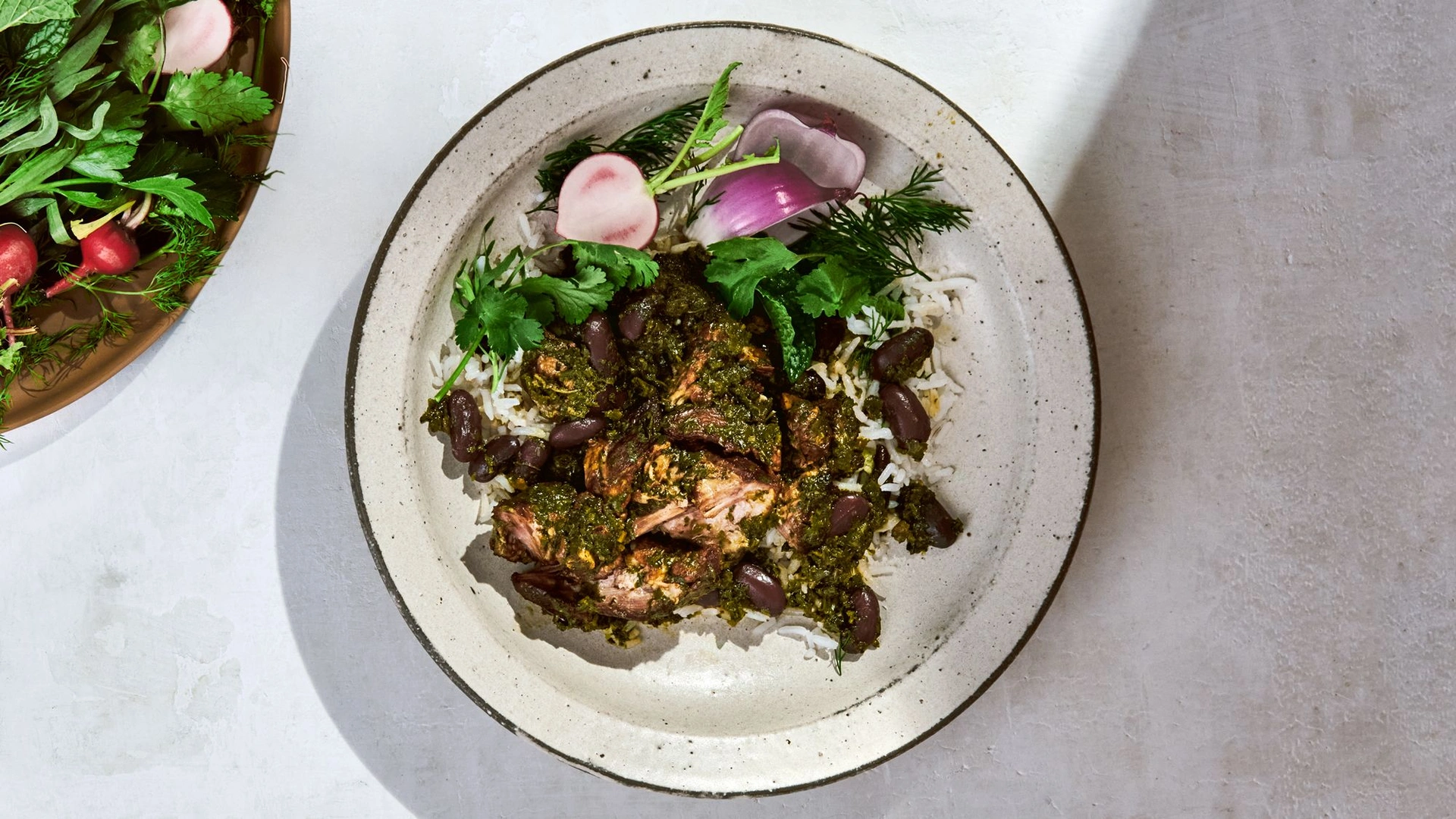
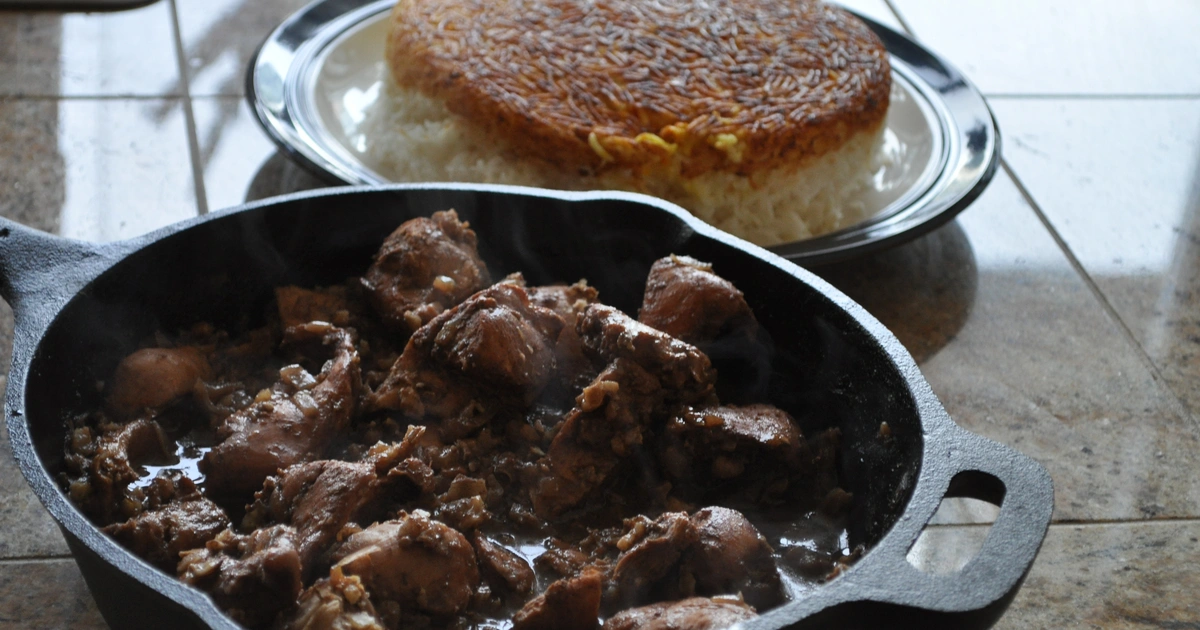
Serve the chicken pieces over basmati rice (preferably with tahdig), spooning the rich walnut-pomegranate sauce generously over everything.
Garnish with:
- Fresh pomegranate arils for bursts of tart sweetness
- Toasted chopped walnuts for crunch
- Fresh mint or parsley for brightness
Common Mistakes and How to Avoid Them
1. Walnuts Ground Too Fine
Problem: The sauce becomes pasty and loses texture.
Solution: Pulse carefully and check frequently. You want a coarse meal texture, not walnut butter.
2. Not Browning the Chicken
Problem: The dish lacks depth and complexity.
Solution: Take the time to properly brown the chicken. Those caramelized bits add crucial flavor.
3. Cooking at Too High Heat
Problem: The sauce becomes grainy and separated, and the walnuts taste bitter.
Solution: Keep the heat low. Fesenjan should barely bubble—think of it as a gentle simmer, not a rolling boil.
4. Imbalanced Sweet-Sour Ratio
Problem: The dish is either too tart (puckering) or too sweet (cloying).
Solution: Adjust gradually and taste frequently. Remember that flavors intensify as the sauce reduces.
5. Using Old or Rancid Walnuts
Problem: The entire dish tastes bitter and off.
Solution: Always taste your walnuts before using. They should taste sweet and nutty, never bitter. Store walnuts in the freezer to maintain freshness.
6. Not Cooking Long Enough
Problem: The flavors haven't melded, and the sauce lacks depth.
Solution: Fesenjan needs time. Don't rush it. The minimum is 1.5 hours, but 2-3 hours is better.
Chef Ali's Pro Tips
Make It Ahead: Fesenjan is one of those magical dishes that tastes better the next day. Make it a day or two in advance, refrigerate, and reheat gently before serving. The flavors will have melded beautifully.
The Fat Layer: After refrigeration, a layer of walnut oil will solidify on top. Don't skim it all off—this is flavor! Stir most of it back into the sauce when reheating, removing only excess if desired.
Pomegranate Molasses Quality: This ingredient makes or breaks the dish. Cheap pomegranate molasses can be overly sweet or artificially flavored. Invest in a good brand from a Middle Eastern market.
Texture Preference: Some families prefer a thicker, almost paste-like sauce. Others like it thinner and more pourable. Adjust the consistency to your preference by adding water or reducing further.
Duck Variation: If using duck, remove the skin after browning (it becomes rubbery in the sauce). Save it to render for duck fat—liquid gold for cooking!
Vegetarian Version: Replace chicken with large chunks of butternut squash or eggplant. Add them in the last 45 minutes of cooking so they don't disintegrate.
Meatball Version: Form ground lamb into walnut-sized balls, brown them, and use instead of chicken. This is popular in some regions and makes for elegant presentation.
Serving Suggestions
Traditional Persian Style
Serve fesenjan over a bed of fluffy basmati rice with crispy tahdig on the side. Accompany with:
- Fresh herb platter (sabzi khordan): basil, mint, tarragon, radishes, scallions
- Torshi (Persian pickles)
- Mast-o-khiar (yogurt with cucumber and mint)
- Lavash bread
Modern Presentation
For a contemporary plating:
- Spoon a pool of sauce on the plate
- Place a chicken piece on top
- Garnish with pomegranate arils, toasted walnuts, and microgreens
- Serve rice on the side
- Drizzle with pomegranate reduction
As Part of a Feast
Fesenjan is often served as part of a larger Persian feast:
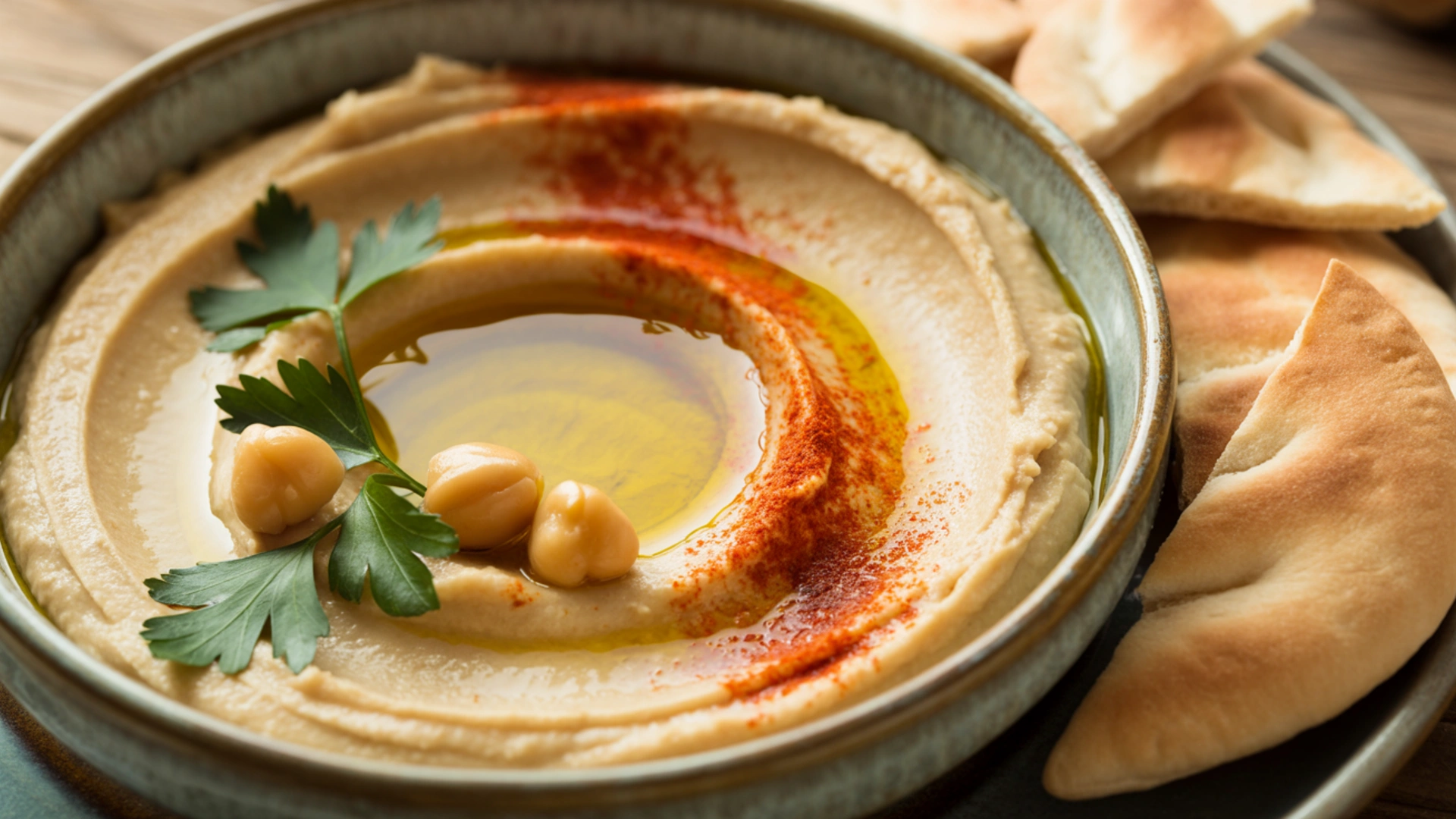
- Start with mezze: hummus, baba ganoush, dolmeh
- Serve fesenjan alongside other stews like ghormeh sabzi
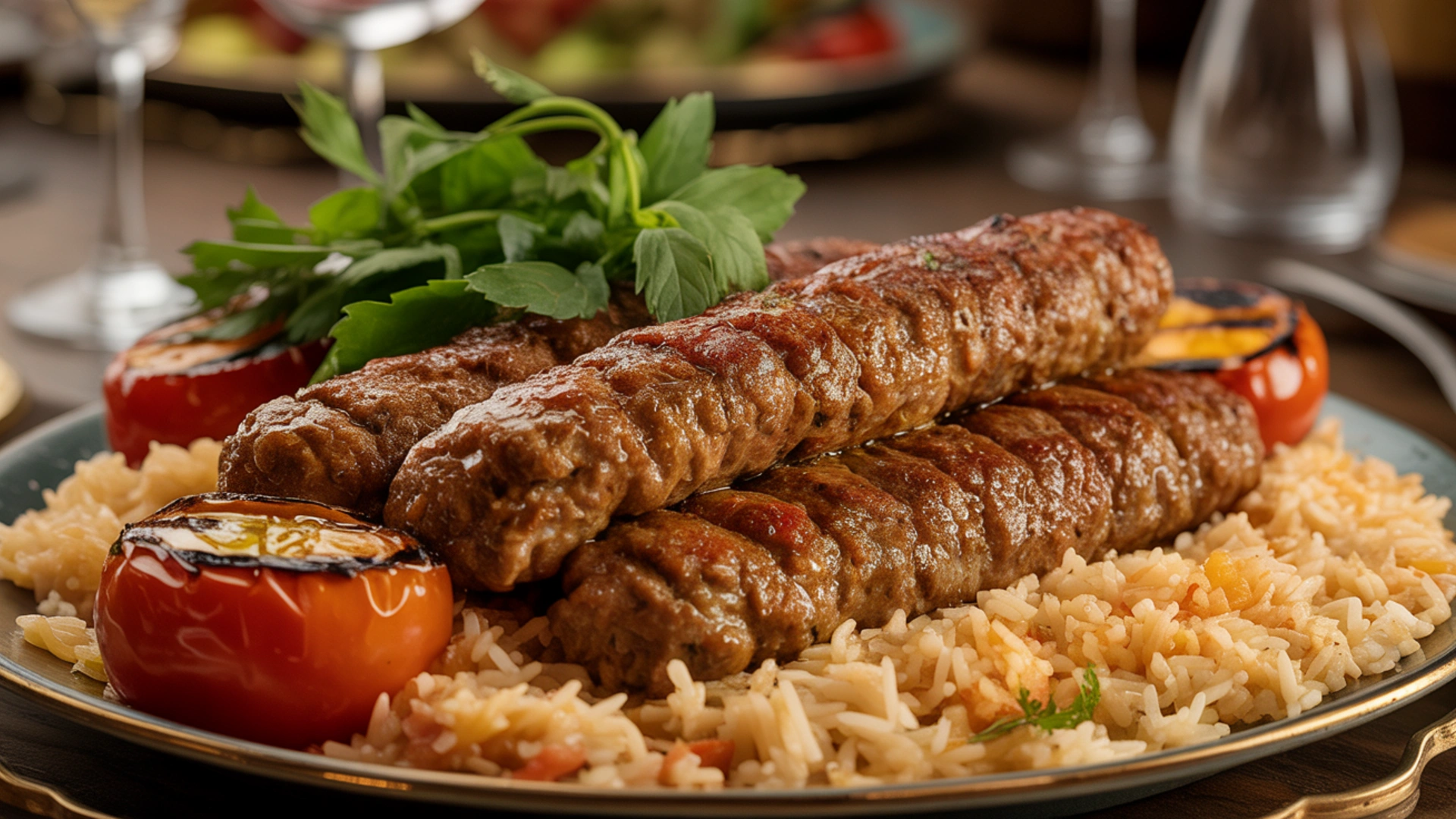
- Include grilled kebabs for variety
- End with baklava and Persian tea
Storage and Reheating
Refrigerator: Store in an airtight container for up to 5 days. The flavor actually improves over the first 2-3 days.
Freezer: Fesenjan freezes beautifully for up to 3 months. Freeze in portion-sized containers for easy reheating.
Reheating: Warm gently over low heat, stirring occasionally. Add a splash of water or stock if the sauce has thickened too much. Never microwave on high—use 50% power and stir frequently to prevent the sauce from breaking.
Frequently Asked Questions
Can I use chicken breast instead of thighs?
You can, but it's not recommended. Chicken breast will dry out during the long cooking time. If you must use breast, add it in the last 45 minutes of cooking instead of at the beginning.
What if I can't find pomegranate molasses?
You can make your own by reducing 4 cups of pomegranate juice with 1/2 cup sugar and 1/4 cup lemon juice until thick and syrupy (about 1 hour). However, store-bought is more consistent and worth seeking out.
Is fesenjan supposed to be sweet or sour?
Both! The hallmark of good fesenjan is balance. You should taste the tartness of pomegranate, the sweetness of sugar, and the earthiness of walnuts in harmony. The exact balance is personal preference.
Why is my sauce grainy?
Usually because the heat was too high, causing the walnut oils to separate and the proteins to seize. Keep the heat low and stir regularly.
Can I make this in a slow cooker?
Yes! Brown the chicken and sauté the onions and walnuts on the stovetop first, then transfer everything to a slow cooker. Cook on low for 6-8 hours. The texture will be slightly different but still delicious.
What's the difference between fesenjan and fesenjoon?
They're the same dish—just different transliterations of the Persian فسنجان. You'll also see it spelled fesenjān, fesenjun, or fesenjan.
Nutritional Information
Per serving (1 chicken thigh with 3/4 cup sauce over rice):
- Calories: 680
- Protein: 38g
- Fat: 42g (8g saturated)
- Carbohydrates: 38g (from rice and sauce)
- Fiber: 4g
- Sugar: 18g
- Sodium: 420mg
- Omega-3 fatty acids: 2.5g (from walnuts)
Makes 6 servings. Fesenjan is rich in healthy fats from walnuts and provides good protein from chicken.
Wine Pairing Suggestions
Fesenjan's complex sweet-sour profile requires thoughtful wine pairing:
Best Choices:
- Pinot Noir: Light-bodied with bright acidity to cut through the richness
- Grenache/Garnacha: Fruity and spicy, complements the pomegranate
- Off-Dry Riesling: The slight sweetness harmonizes with the sauce
- Gewürztraminer: Aromatic and slightly sweet, works beautifully
Avoid:
- Heavy, tannic reds (they clash with the tartness)
- Very dry whites (they get overwhelmed)
- Oaky wines (they compete with the complex flavors)
The Carnys Experience
At Carnys Restaurant in Encino, Chef Ali prepares fesenjan using his family's recipe from Gilan province, where the dish originated. Our version leans slightly more tart than sweet, showcasing the pomegranate's natural complexity, and we use free-range chicken and premium California walnuts.
We serve it traditionally over saffron basmati rice with crispy tahdig, garnished with fresh pomegranate arils and toasted walnuts. It's available as a special on our menu, particularly during fall and winter when pomegranates are at their peak.
Visit us at 16101 Ventura Boulevard to experience Chef Ali's legendary fesenjan, or use this recipe to create your own Persian masterpiece at home. Either way, you're in for an unforgettable culinary journey.
Share your fesenjan creations with us @carnysencino using #CarnysFesenjan—we love seeing your Persian cooking adventures!
Final Thoughts
Fesenjan is more than just a recipe—it's a window into Persian culture, history, and the art of balancing flavors. It requires patience, quality ingredients, and attention to detail, but the reward is a dish that's truly extraordinary.
The first time you make fesenjan, follow the recipe closely. The second time, start adjusting to your taste. By the third time, you'll understand the dish well enough to make it your own. That's the beauty of Persian cooking—there's a framework, but within it, there's room for personal expression.
Whether you're cooking for a special celebration, wanting to explore Persian cuisine, or simply craving something deeply flavorful and comforting, fesenjan delivers. It's a dish that impresses guests, satisfies the soul, and tastes even better as leftovers.
Now you have all the knowledge you need to master this legendary Persian stew. The rest is up to you—and your kitchen. Happy cooking!
Topics
About the Author
Chef Ali Rezaei • Executive Chef & Co-Owner
With over 15 years of Persian and Mediterranean culinary expertise, Chef Ali brings authentic flavors from Tehran to Los Angeles. Trained at Le Cordon Bleu and having worked in Michelin-starred establishments across California, Chef Ali specializes in traditional Persian cooking techniques while adding his own modern twist. His signature dishes include hand-ground koobideh kebabs, slow-cooked ghormeh sabzi, and the restaurant's famous saffron-infused tahdig.
View Full Profile →Experience Carnys Today
Book your table and discover why Carnys is Encino's favorite Mediterranean lounge for unforgettable dining, hookah, and live entertainment.