Recipes

The Ultimate Guide to Ghormeh Sabzi: Mastering Persia's National Dish at Home

Discover the secrets to making authentic ghormeh sabzi, Iran's beloved national dish. This comprehensive guide covers everything from selecting the perfect herbs to achieving that signature deep, complex flavor that makes this Persian herb stew unforgettable.

December 19, 2025UpdatedDecember 24, 202515 min read2,843 words
Chef Ali Rezaei

Executive Chef & Co-Owner

Share:
Share:
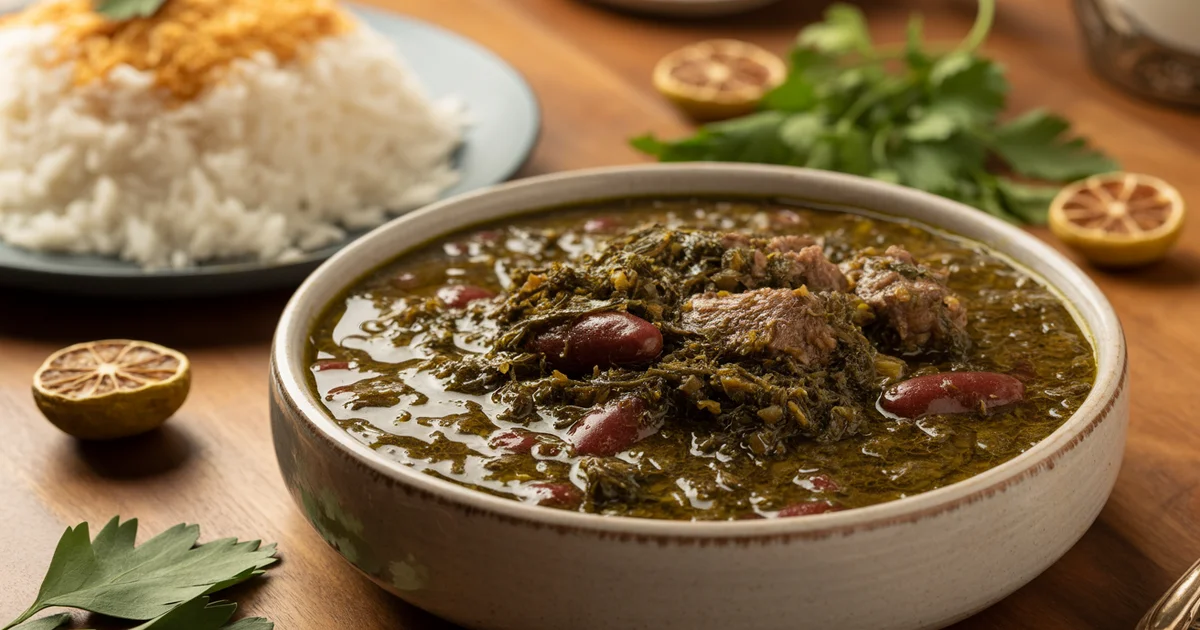
Rich dark green ghormeh sabzi Persian herb stew in rustic ceramic bowl with tender meat and kidney beans, served with golden tahdig rice at Carnys Restaurant Encino
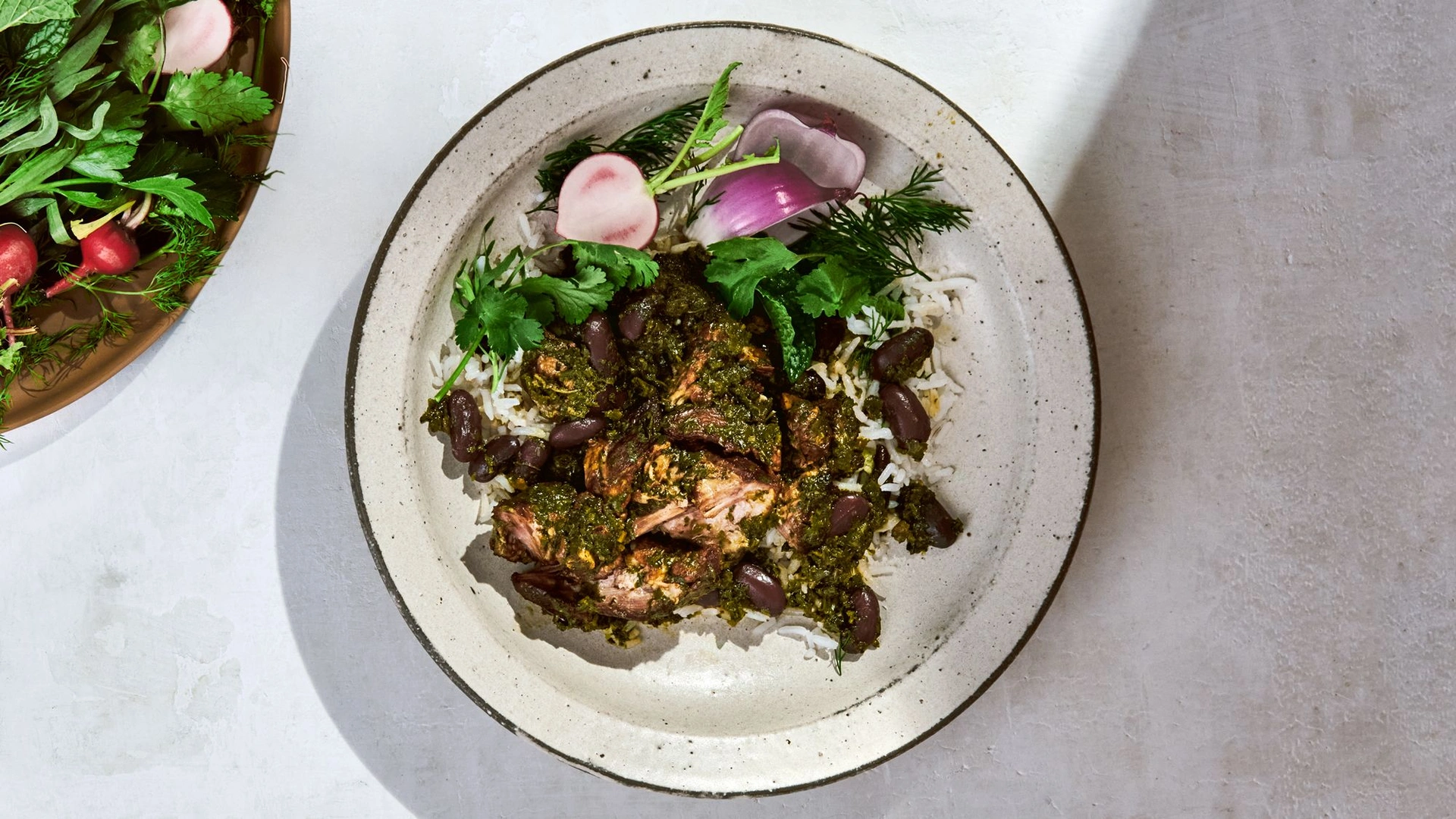
# The Ultimate Guide to Ghormeh Sabzi: Mastering Persia's National Dish at Home Ghormeh sabzi is more than just a stew - it's the soul of Persian cuisine, a dish so beloved that Iranians call it their national treasure. This aromatic herb stew, with its complex layers of flavor and centuries of tradition, represents everything beautiful about Persian cooking: patience, balance, and the transformative power of fresh herbs. At Carnys Restaurant in Encino, Chef Ali Hassan has spent years perfecting this iconic dish, and today we're sharing his authentic recipe and techniques. Whether you're a Persian food enthusiast or discovering this cuisine for the first time, this comprehensive guide will help you create restaurant-quality ghormeh sabzi in your own kitchen. ## What is Ghormeh Sabzi? Ghormeh sabzi (pronounced gor-MEH sahb-ZEE) translates to "fried herbs," though this humble name doesn't do justice to the dish's complexity. It's a rich, deeply flavored stew featuring tender chunks of lamb or beef, kidney beans, dried Persian limes, and an abundance of fresh herbs - primarily parsley, cilantro, and fenugreek. The magic of ghormeh sabzi lies in the herbs. Unlike most stews where herbs play a supporting role, here they're the star. Pounds of fresh herbs are slowly sautéed until they darken and concentrate, creating an intensely aromatic base that's unlike anything else in world cuisine. This is comfort food at its finest - the kind of dish that fills your home with incredible aromas and brings families together around the table. In Iran, ghormeh sabzi is traditionally served on special occasions and Friday family gatherings, always accompanied by fluffy basmati rice with crispy tahdig. ## Why This Recipe Works After making countless batches at Carnys, Chef Ali has refined every detail:
  • Proper Herb Ratio: The perfect balance of parsley, cilantro, and fenugreek creates complex flavor without bitterness
  • Low and Slow Sautéing: Cooking herbs for 20-30 minutes develops deep, concentrated flavor
  • Dried Limes: These provide the signature tangy, slightly bitter note that defines the dish
  • Long Braising: 2-3 hours of gentle simmering creates fall-apart tender meat
  • Layered Seasoning: Adding spices at different stages builds depth
  • Resting Time: The stew actually improves after a day, making it perfect for meal prep
## Essential Ingredients Ghormeh sabzi requires specific ingredients, but they're worth seeking out at Middle Eastern markets. ### The Herbs (The Soul of the Dish) Fresh Parsley (2 large bunches, about 4 cups chopped): Use flat-leaf Italian parsley. This forms the base of your herb mixture. Wash thoroughly and dry completely before chopping. Fresh Cilantro (1 large bunch, about 2 cups chopped): Adds brightness and complexity. Some people use less if they're not cilantro fans, but don't skip it entirely. Fresh Fenugreek Leaves (1 bunch, about 1 cup chopped): Called "shanbalileh" in Persian. This is the secret ingredient that gives ghormeh sabzi its distinctive flavor. Find it at Middle Eastern or Indian markets (where it's called "methi"). If you absolutely can't find fresh, use 2 tablespoons dried fenugreek leaves. Fresh Chives or Green Onions (1 bunch, about 1 cup chopped): Adds a mild onion flavor. Some recipes use leeks instead. ### The Protein Lamb Shoulder or Beef Chuck (2 lbs): Cut into 1.5-inch cubes. Lamb is more traditional and flavorful, but beef works beautifully too. The meat should have some marbling for tenderness. ### The Aromatics and Spices Yellow Onions (2 large): Diced, for building the flavor base. Garlic (6 cloves): Minced. Persian cooking is generous with garlic. Turmeric (2 teaspoons): For color and earthy warmth. Ground Cinnamon (1/2 teaspoon): Adds subtle sweetness and depth. Black Pepper (1 teaspoon): Freshly ground. Salt (to taste): Start with 2 teaspoons and adjust. ### The Signature Ingredients Dried Persian Limes (4-6 whole): Called "limoo omani" or "limoo amani." These sun-dried limes are essential - they provide the distinctive tangy, slightly bitter, smoky flavor that defines ghormeh sabzi. Pierce each lime several times with a fork before adding. Available at Middle Eastern markets or online. Kidney Beans (1.5 cups cooked): Use dried beans that you cook yourself, or high-quality canned beans, drained and rinsed. Red kidney beans are traditional. ### The Cooking Medium Vegetable Oil or Ghee (1/2 cup): You need generous oil for properly sautéing the herbs. Don't skimp - this isn't the place to cut fat. Beef or Lamb Broth (4 cups): Homemade is best, but quality store-bought works. ### For Serving Basmati Rice: Preferably with crispy tahdig Fresh Herbs: Basil, mint, radishes, and green onions Torshi (Persian Pickles): For tangy contrast Mast-o-Khiar (Cucumber Yogurt): Cool and refreshing ## Step-by-Step Instructions ### Step 1: Prepare the Herbs (Most Important Step!) This is where ghormeh sabzi is won or lost. Wash all your herbs thoroughly and dry them completely - wet herbs will steam instead of fry. Remove thick stems from parsley and cilantro (thin stems are fine). Finely chop all herbs. You should have about 8 cups of loosely packed chopped herbs total. Chef Ali's Tip: "Use a salad spinner to dry your herbs thoroughly. Any water will cause splattering when you fry them and prevent proper browning. I sometimes spread them on towels for 30 minutes to ensure they're bone dry." ### Step 2: Brown the Meat Heat 2 tablespoons of oil in a large, heavy-bottomed pot or Dutch oven over medium-high heat. Pat the meat cubes completely dry with paper towels - this is crucial for browning. Working in batches to avoid crowding, brown the meat on all sides, about 8-10 minutes per batch. You want a deep golden-brown crust. Transfer browned meat to a plate and set aside. Don't skip this step! Browning creates fond (those brown bits on the bottom of the pot) which adds incredible depth of flavor. ### Step 3: Sauté the Onions In the same pot, add 2 tablespoons of oil. Add the diced onions and cook over medium heat, stirring occasionally, until golden brown and softened, about 12-15 minutes. Add the minced garlic and cook for 2 minutes until fragrant. Add 1 teaspoon turmeric and stir for 30 seconds to bloom the spice. ### Step 4: Fry the Herbs (The Magic Happens Here) This is the most critical step. Add the remaining oil (about 1/4 cup) to the pot. Add all your chopped herbs at once. The pot will be very full - don't worry, the herbs will cook down significantly. Stir constantly over medium heat. The herbs will release moisture, wilt, and gradually darken. Continue cooking, stirring frequently, for 20-30 minutes. Yes, really! The herbs should turn a very dark green, almost black-green. This concentrated, caramelized herb mixture is what gives ghormeh sabzi its distinctive deep flavor. Chef Ali's Warning: "Don't rush this step! Many home cooks under-cook the herbs, resulting in a grassy, bitter stew. The herbs should be very dark and smell intensely aromatic, not fresh and green. Be patient - this is where the magic happens." ### Step 5: Combine and Braise Return the browned meat to the pot with the herbs. Add the remaining teaspoon of turmeric, cinnamon, black pepper, and salt. Stir to coat the meat with the herb mixture. Add the beef or lamb broth. Pierce each dried lime 4-5 times with a fork (this allows the flavor to release) and add them to the pot. Bring to a boil, then reduce heat to low. Cover and simmer gently for 1.5 hours, stirring occasionally. The meat should be getting tender but not falling apart yet. ### Step 6: Add the Beans After 1.5 hours, add the cooked kidney beans. If using canned, drain and rinse them first. Stir gently to combine. Continue simmering, covered, for another 45-60 minutes, until the meat is completely tender and falling apart, and the stew has thickened. The total cooking time should be 2.5-3 hours. ### Step 7: Adjust Seasoning and Rest Taste the stew. Adjust salt as needed. The flavor should be complex - herby, tangy from the limes, slightly bitter, rich, and deeply savory. If it needs more tang, pierce the limes a few more times or add a squeeze of fresh lemon juice. For best results, let the stew cool completely, then refrigerate overnight. Ghormeh sabzi is always better the next day - the flavors meld and deepen beautifully. Reheat gently before serving. ### Step 8: Serve Remove the dried limes before serving (they're not meant to be eaten, though some people like to squeeze them over their rice). Serve the ghormeh sabzi over fluffy basmati rice, preferably with crispy tahdig on the side. Garnish with fresh herbs and serve with traditional accompaniments: fresh basil, mint, radishes, green onions, torshi (Persian pickles), and mast-o-khiar (cucumber yogurt). ## Common Mistakes and How to Avoid Them ### 1. Under-Cooking the Herbs This is the #1 mistake. If your herbs are still bright green after sautéing, keep cooking! They should be very dark, almost black-green. Under-cooked herbs taste grassy and bitter instead of rich and complex. ### 2. Wet Herbs Wet herbs will steam and splatter instead of frying properly. Always dry your herbs thoroughly before chopping and cooking. ### 3. Skipping the Dried Limes These are not optional! They provide the signature tangy flavor that defines ghormeh sabzi. If you absolutely can't find them, substitute with preserved lemons (2-3, chopped) and extra lemon juice, but the flavor won't be quite authentic. ### 4. Rushing the Cooking Time Ghormeh sabzi needs long, slow cooking. Trying to speed it up results in tough meat and underdeveloped flavors. Plan for at least 3 hours of cooking time. ### 5. Not Enough Herbs This is an herb stew - the herbs should be the dominant ingredient. Don't be shy! You need about 8 cups of chopped herbs for proper flavor. ### 6. Serving Immediately While you can eat ghormeh sabzi right away, it's significantly better after resting overnight. The flavors need time to meld and develop. ## Chef Ali's Pro Tips Finding Fenugreek: Fresh fenugreek can be hard to find. Check Middle Eastern, Persian, or Indian markets. If you can only find dried, use 2-3 tablespoons and add it with the other herbs. The flavor won't be quite as bright, but it will still be delicious. Vegetarian Version: Omit the meat and use vegetable broth. Add extra beans (try a mix of kidney beans and chickpeas) and some cubed butternut squash or sweet potato for substance. Reduce cooking time to 1 hour after adding beans. Pressure Cooker Method: Brown meat and sauté herbs as directed. Transfer to pressure cooker with broth and limes. Cook on high pressure for 35 minutes, natural release. Add beans and simmer for 10 minutes. Slow Cooker Method: Brown meat and sauté herbs on the stovetop. Transfer everything to slow cooker with broth and limes. Cook on low for 6-8 hours. Add beans in the last hour. Freezing: Ghormeh sabzi freezes beautifully for up to 3 months. Cool completely, portion into containers, and freeze. Thaw overnight in the refrigerator and reheat gently. Herb Prep Shortcut: Wash and chop your herbs up to 2 days ahead. Store in the refrigerator wrapped in paper towels inside a plastic bag. Or freeze chopped herbs in portions for future batches. ## The Cultural Significance Ghormeh sabzi is considered Iran's national dish, and every Persian family has their own version passed down through generations. The dish likely originated in northern Iran, where fresh herbs grow abundantly. In Persian culture, ghormeh sabzi is more than food - it's a connection to heritage and family. The dish is traditionally served on Nowruz (Persian New Year) and at Friday family gatherings. Making ghormeh sabzi is often a multi-generational activity, with grandmothers teaching granddaughters the proper way to chop and sauté the herbs. The use of dried limes reflects Persia's historical position on ancient trade routes. These preserved limes were originally used as a way to add citrus flavor to dishes during seasons when fresh citrus wasn't available. ## Regional Variations While the basic recipe is consistent, different regions and families have their own touches: Northern Iran: Uses more fenugreek and sometimes adds dried dill Southern Iran: Often includes tamarind paste for extra tang Tehrani Style: The most common version, similar to what we've described Vegetarian/Vegan: Popular during religious fasting periods, made with extra beans and vegetables Ghormeh Sabzi with Fish: A coastal variation using firm white fish instead of meat ## Pairing Suggestions ### Traditional Persian Meal Serve ghormeh sabzi with: - Saffron basmati rice with crispy tahdig - Shirazi salad (diced cucumbers, tomatoes, onions with lemon dressing) - Mast-o-khiar (yogurt with cucumber and mint) - Fresh herbs (sabzi khordan): basil, mint, radishes, green onions - Torshi (mixed Persian pickles) - Lavash bread ### Wine Pairing The complex, herby flavors of ghormeh sabzi pair beautifully with: - Medium-bodied red wines like Syrah or Grenache - Earthy Pinot Noir - For white wine lovers, try an aged Chardonnay or Viognier At Carnys, we recommend our house Syrah, which complements the rich herbs and tender lamb perfectly. ## Storage and Reheating Refrigerator: Store in an airtight container for up to 5 days. The flavor actually improves over the first 2-3 days. Freezer: Freeze in portions for up to 3 months. Cool completely before freezing. Thaw overnight in the refrigerator. Reheating: Reheat gently on the stovetop over low heat, stirring occasionally. Add a splash of water or broth if it's too thick. Avoid microwaving if possible - stovetop reheating preserves the texture better. ## Frequently Asked Questions ### Can I use dried herbs instead of fresh? Fresh herbs are essential for authentic ghormeh sabzi. Dried herbs won't provide the same flavor or texture. However, if you can't find fresh fenugreek, dried fenugreek leaves are an acceptable substitute for that one herb. ### What if I can't find dried Persian limes? Dried Persian limes (limoo omani) are available at Middle Eastern markets and online. They're worth seeking out! If absolutely necessary, substitute with preserved lemons (2-3, chopped) plus extra fresh lemon juice, but the flavor will be different. ### Why is my ghormeh sabzi bitter? Bitterness usually comes from under-cooking the herbs (they need to be very dark) or using too much fenugreek. Make sure to cook the herbs for the full 20-30 minutes until very dark. Also, ensure your dried limes are good quality - old, overly dried limes can be excessively bitter. ### Can I make this in advance? Absolutely! Ghormeh sabzi is actually better when made a day or two ahead. The flavors meld and deepen beautifully. It's perfect for meal prep or entertaining. ### What cut of meat is best? Lamb shoulder or beef chuck are ideal because they have enough fat and connective tissue to stay moist during long cooking. Avoid lean cuts like sirloin - they'll dry out. ### Is ghormeh sabzi spicy? No, it's not spicy-hot. The flavor is complex and deeply savory with herbal and tangy notes, but there's no chili heat. If you want heat, serve it with torshi (spicy pickles) on the side. ## Nutrition Information Per serving (1.5 cups stew with 1 cup rice):
  • Calories: 580
  • Protein: 38g
  • Fat: 24g (6g saturated)
  • Carbohydrates: 52g
  • Fiber: 8g
  • Sugar: 3g
  • Sodium: 680mg
  • Iron: 25% DV
  • Vitamin A: 45% DV
  • Vitamin C: 35% DV
Makes 6-8 servings. Ghormeh sabzi is rich in protein, fiber, iron, and vitamins from the abundance of fresh herbs. ## The Carnys Experience At Carnys Restaurant in Encino, our ghormeh sabzi is a labor of love. Chef Ali prepares it using his family's recipe, passed down from his grandmother in Tehran. We make large batches twice weekly, allowing it to rest overnight for optimal flavor development. Our version features tender lamb shoulder, herbs sourced from local Persian markets, and authentic dried limes imported from Iran. We serve it over our signature saffron basmati rice with golden tahdig, accompanied by fresh herbs, torshi, and mast-o-khiar. Many of our Persian guests tell us our ghormeh sabzi reminds them of their grandmother's cooking - the highest compliment we could receive. For those new to Persian cuisine, it's often a revelation: "I had no idea herbs could taste like this!" Visit us at 16101 Ventura Boulevard in Encino to experience Chef Ali's authentic ghormeh sabzi, or use this recipe to bring the flavors of Persia into your own kitchen. Either way, you're in for an unforgettable culinary journey. ## Making It Your Own Once you've mastered the basic recipe, feel free to experiment:
  • Add Dried Dill: Some families add 1/4 cup dried dill for extra herbal complexity
  • Include Spinach: Add 2 cups chopped spinach with the other herbs for extra nutrition
  • Try Different Beans: Black-eyed peas or chickpeas work well alongside or instead of kidney beans
  • Adjust the Tang: Add more or fewer dried limes depending on your preference
  • Make It Richer: Some cooks add a tablespoon of tomato paste for depth
The beauty of ghormeh sabzi is that while the core technique remains constant, every family's version is slightly different. After you've made it a few times, you'll develop your own preferences and traditions. Share your ghormeh sabzi creations with us @carnysencino using #CarnysGhormehSabzi - we love seeing your Persian cooking adventures!

Topics

Persian recipesghormeh sabziherb stewPersian cuisineEncino restaurantsMediterranean foodIranian cookingauthentic recipes

About the Author

Chef Ali RezaeiExecutive Chef & Co-Owner

With over 15 years of Persian and Mediterranean culinary expertise, Chef Ali brings authentic flavors from Tehran to Los Angeles. Trained at Le Cordon Bleu and having worked in Michelin-starred establishments across California, Chef Ali specializes in traditional Persian cooking techniques while adding his own modern twist. His signature dishes include hand-ground koobideh kebabs, slow-cooked ghormeh sabzi, and the restaurant's famous saffron-infused tahdig.

View Full Profile →

Experience Carnys Today

Book your table and discover why Carnys is Encino's favorite Mediterranean lounge for unforgettable dining, hookah, and live entertainment.
You Might Also Enjoy